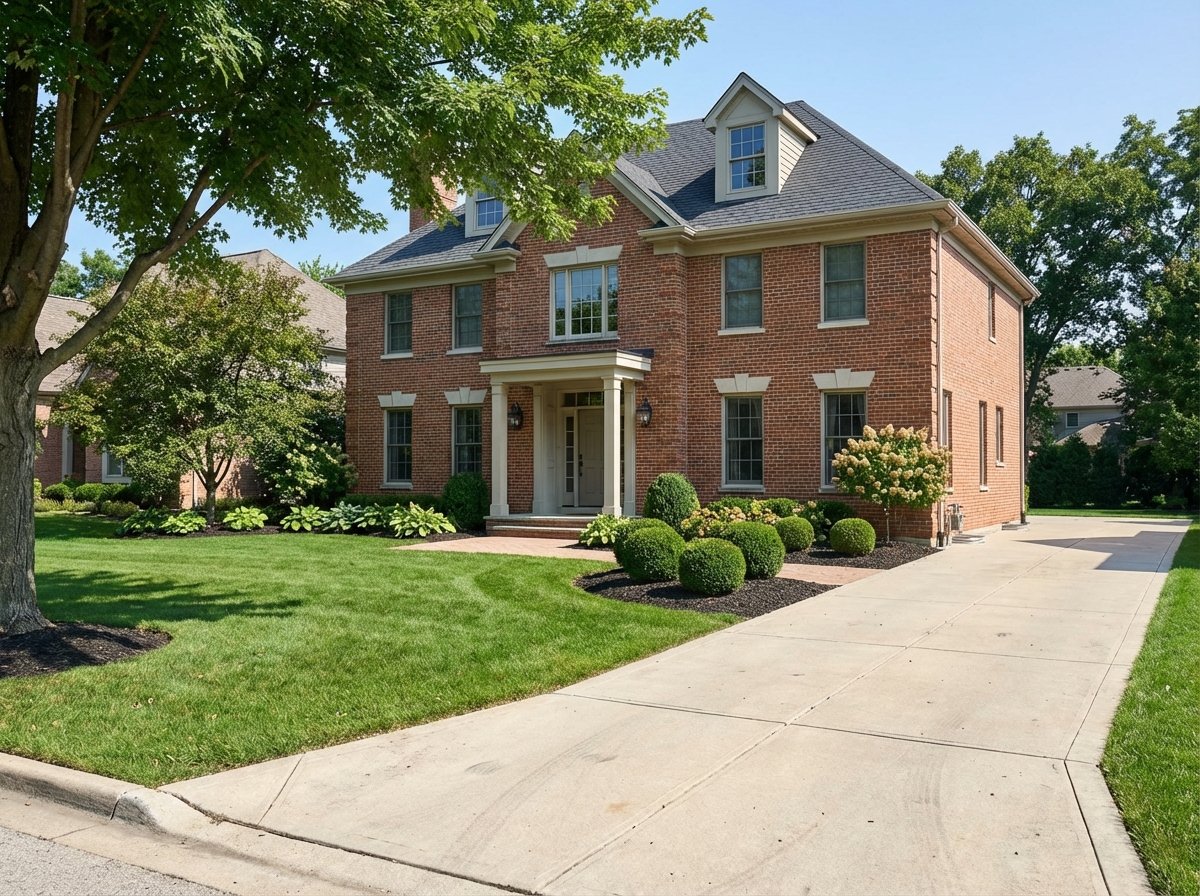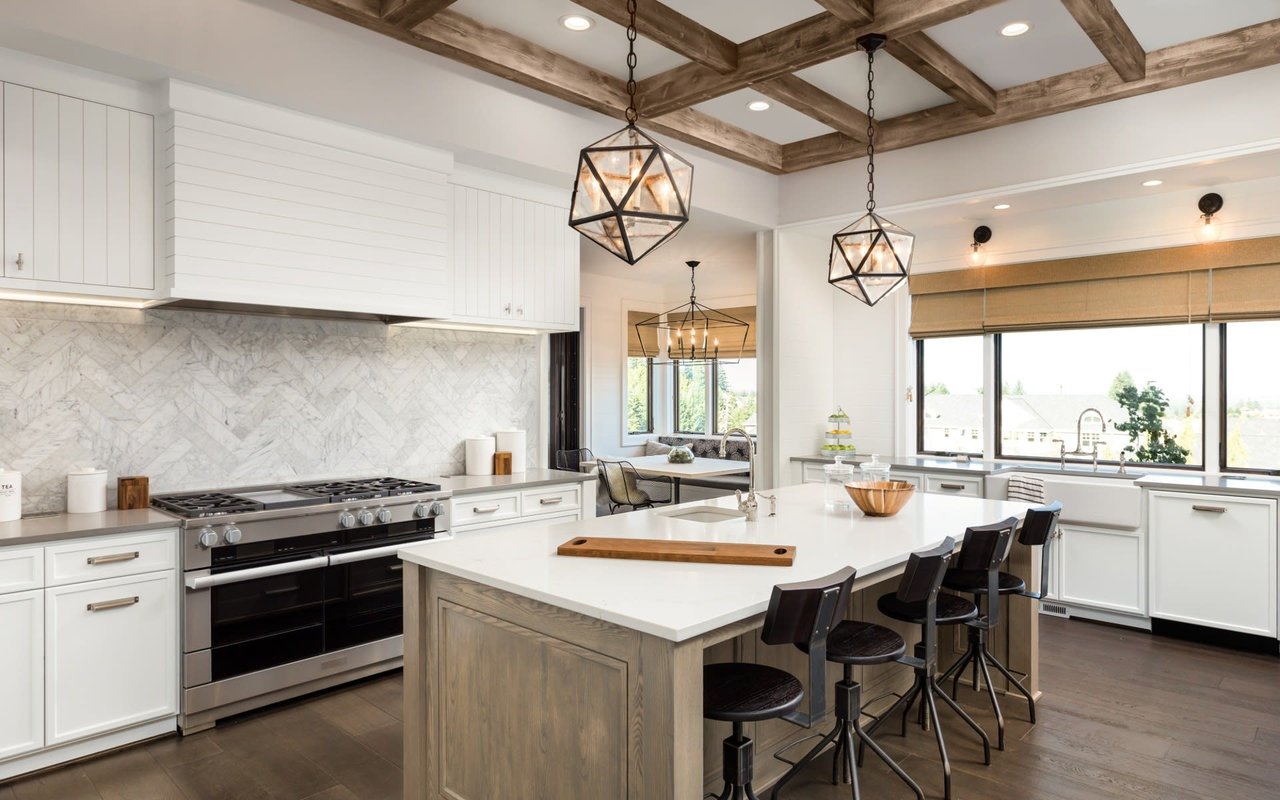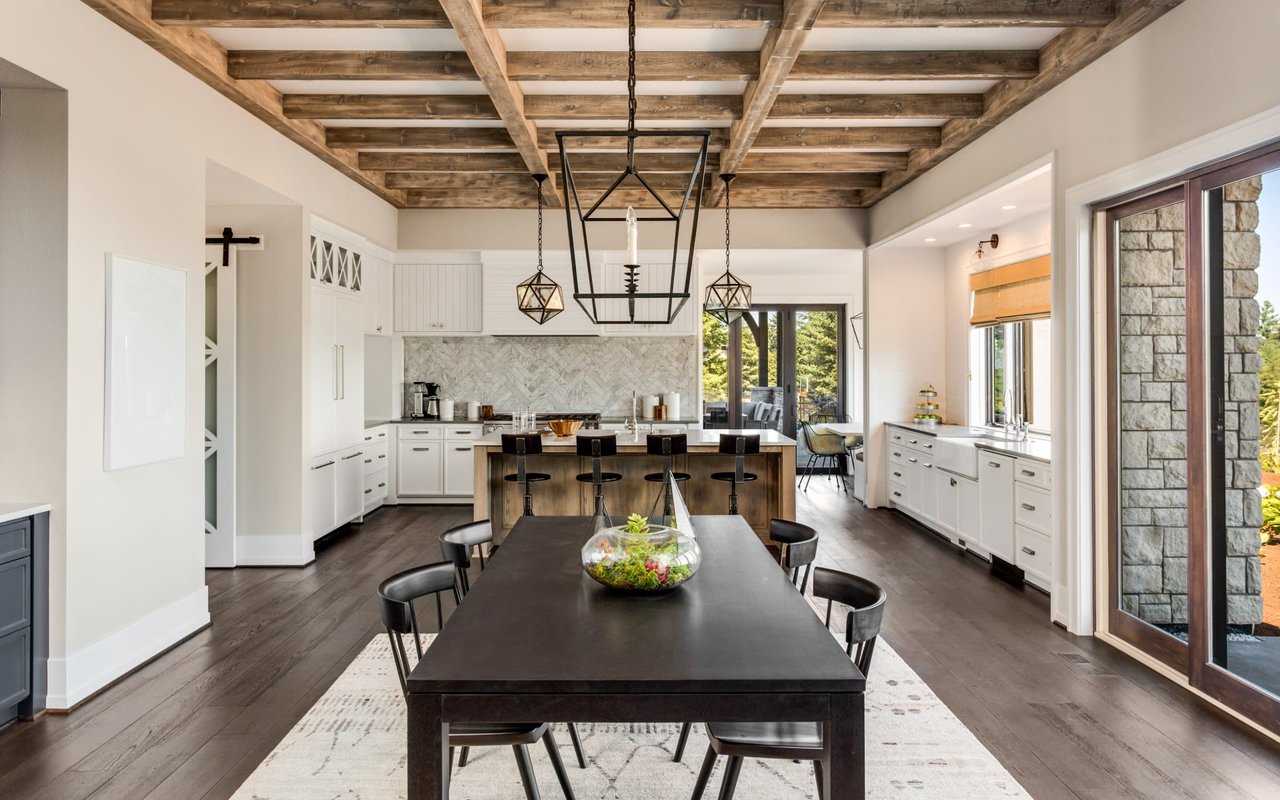
Buying in Western Springs and wondering what really happens at a home inspection? You are not alone. It is one of the most important steps you will take to protect your investment and plan for future maintenance. In this guide, you will learn what a standard inspection covers, what it does not, which extra tests matter most locally, how the timeline works in Illinois, and how to negotiate next steps with confidence. Let’s dive in.
What a standard inspection covers
A standard home inspection is visual and noninvasive. Your inspector looks for safety issues, major defects, and signs that systems are near the end of their useful life.
Structure and exterior
- Foundation, basement, and crawlspaces for cracks and water intrusion.
- Grading, gutters, downspouts, siding or brick veneer, windows, and doors.
- Roof covering, flashing, and attic ventilation as visible and safely accessible.
Interior and safety
- Walls, ceilings, floors, windows, doors, and visible moisture stains.
- Attic insulation type and coverage when safe to enter.
- Safety items such as smoke and carbon monoxide detectors, handrails, and trip hazards.
Major systems and appliances
- Plumbing: visible supply and drain lines, fixtures, and water heater condition.
- Electrical: service entrance, panels, wiring that is visible, and GFCI/AFCI function where tested safely.
- HVAC: basic operation of heating and cooling systems.
- Built-in appliances for basic function.
What a standard inspection does not include
Inspectors do not open walls or perform invasive testing unless you order specialized services. Keep these limits in mind:
- No mold or asbestos sampling by default, only visual comments.
- Radon testing and sewer-line camera scopes are add-ons.
- Underground fuel tanks and buried utilities are not part of a standard inspection.
- Termite and other wood-destroying insect evaluations are separate services.
- In winter, snow and ice can hide roof conditions and grading problems.
- Reports describe current observed conditions, not future performance guarantees.
Timeline and contingency in Illinois
Most inspections for a single-family home take about 2 to 3 hours. You should attend, ask questions, and take notes. In many Illinois purchase contracts, the inspection contingency window commonly runs about 5 to 14 calendar days after acceptance. Your exact deadline depends on the contract you sign, so follow your agent’s guidance.
Add-on tests can affect your schedule:
- Radon monitors usually run 48 to 96 hours, and lab processing can take a few days.
- Sewer scopes are typically scheduled 24 to 72 hours in advance with a plumber.
- Termite reports often arrive within 1 to 3 business days.
Inside the contingency period, you will complete inspections, gather contractor estimates for major items, and submit a written repair or credit request before the deadline. If you and the seller cannot agree, your contract will control your options, which may include accepting the property as-is, negotiating a price change or credit, or terminating.
Western Springs priorities: what to test
Western Springs has many early to mid 20th-century homes alongside newer renovations. Mature trees, basements, and older mechanicals are common. These add-ons are worth prioritizing.
Radon testing
Illinois has widespread radon potential, including suburban Cook County. A short-term test is recommended for any home. If levels are high, mitigation is common and effective, and a follow-up long-term test may be advised.
Sewer scope
Older homes may have cast-iron or clay laterals that can crack or allow roots to intrude. A sewer camera inspection can reveal issues before they turn into costly repairs. It is especially important if mature trees are near the line or the home is older.
Termite and wood-destroying insects
If the home is older or shows signs of moisture, consider a termite/WDI inspection. Some loan types may require it, but it is a smart add-on even when not required.
Lead-based paint and older materials
For homes built before 1978, federal law requires a lead-based paint disclosure. Testing can be considered, especially if children or pregnant occupants will live in the home. Some older homes may also include materials that could contain asbestos; specialized testing is separate and often ordered prior to remodeling.
Basements and drainage
Basements are common in Western Springs. Inspectors look for signs of seepage, sump pump condition, and past repair work. Since frozen ground can hide grading problems in winter, consider language that allows a spring re-check of exterior drainage and gutters.
HVAC and fireplaces
Winter is a good time to fully exercise heating systems and check for proper venting. If you plan to use a fireplace, a level II chimney inspection by a specialist is wise when soot buildup, cracking, or structural concerns are visible.
Winter buyers: pros, cons, and smart workarounds
Western Springs winters can make parts of the inspection tricky, but you gain other advantages.
- Constraints: Snow and ice can hide shingles, flashing, gutters, and exterior grading. Decks and patios may be snow covered.
- Opportunities: Furnaces are running and can be evaluated under load. You can check window and door seals in cold conditions and look for areas prone to frozen pipes.
Smart workarounds:
- Do not skip radon or sewer scope; they work in any season.
- Ask for a roof certification from a licensed roofer if snow blocks roof viewing, or allow a post-thaw roof inspection.
- Include a spring re-check clause to review grading, gutters, and exterior surfaces once conditions allow.
- Confirm utilities will remain on so all tests can be completed.
What to budget: typical Chicago-area ranges
Budget for the inspection package that fits the property’s age and condition. Actual fees vary by provider and size of home.
- Standard home inspection: about $300 to $700.
- Radon test: about $100 to $250.
- Sewer scope: about $150 to $400.
- Termite/WDI inspection: about $75 to $200.
- Chimney level II or advanced HVAC safety testing: about $150 to $500.
- Re-inspections or specialist estimates: variable.
How to choose a qualified inspector
A great inspector helps you prioritize issues and avoid surprises. Use this checklist:
- Licensing and insurance in Illinois, plus professional liability coverage.
- Professional affiliations such as InterNACHI or ASHI and a clear Standards of Practice.
- Experience with Western Springs and nearby suburbs, including masonry, basements, older mechanicals, and sewer laterals.
- Sample report with clear photos and actionable recommendations.
- Ability to coordinate or refer specialty services like radon, sewer scopes, and chimney inspections.
- Local references and reviews, fast scheduling, and a report turnaround of 24 to 72 hours.
After the inspection: your options
Within your contingency window, decide how to move forward. Focus on items that affect safety, structure, and major systems.
- Accept the home as-is.
- Request specific repairs before closing, with receipts and re-inspection if needed.
- Request a credit or price reduction to handle work after closing.
- Negotiate an escrow holdback for repairs that must occur post-closing.
- Terminate, if allowed by your contract, when issues are unacceptable.
Best practices: Prioritize major items, attach contractor estimates, and submit clear written requests tied to the report. Market conditions matter; credits are often more flexible than repair demands when sellers have leverage.
Buyer checklist: from offer to close
Pre-inspection
- Confirm heat, water, and power will stay on for all tests.
- Order radon and a sewer scope early to meet deadlines.
- Plan to attend the inspection with a notepad and camera.
During the inspection
- Ask about immediate safety concerns.
- Clarify what needs repair now, what is routine maintenance, and what is long-term replacement.
- Confirm ages and expected remaining life for roof, furnace, A/C, water heater, and electrical service.
- Ask whether specialized testing is recommended for this home.
- For winter buyers, discuss which exterior items should be re-checked in spring and how to document that in the contract.
After the inspection
- Gather contractor estimates for significant items.
- Submit a concise repair or credit request before the contingency deadline.
- Keep documentation organized for your records and loan underwriter if needed.
Buying in Western Springs should feel exciting, not overwhelming. With the right inspection strategy, you can move forward with clarity and protect your long-term plans. For tailored guidance and a smooth, concierge experience from offer to close, connect with Ginny Stewart to Schedule a Private Consultation.
FAQs
What does a standard home inspection include in Western Springs?
- A visual review of structure, exterior, interior, attic, plumbing, electrical, HVAC, built-in appliances, and basic safety features, with photos and recommendations.
How long is the inspection contingency in Illinois purchase contracts?
- Many contracts use a 5 to 14 day window after acceptance, but your exact deadline depends on the contract you sign and should be confirmed with your agent.
Should I test for radon and order a sewer scope?
- Yes. Radon is a statewide concern, and older suburban sewer laterals can have root intrusion or deterioration that is costly to repair.
What inspection challenges should winter buyers expect in Western Springs?
- Snow and ice can hide roof and grading issues, so add a spring re-check or roof certification, while taking advantage of fully testable heating systems.
What are typical inspection costs around Western Springs?
- Budget roughly $300 to $700 for the inspection, plus common add-ons such as $100 to $250 for radon, $150 to $400 for a sewer scope, and $75 to $200 for termite.
What are my options if the inspection finds major issues?
- You can accept as-is, request repairs, ask for a credit or price reduction, negotiate an escrow holdback, or terminate if allowed by your contract.