Thinking about listing your Clarendon Hills home this spring? You might be wondering if a pre-listing inspection is worth it. The right move can help you price smart, reduce surprises, and build buyer confidence. In this guide, you’ll learn the real pros and cons, how Illinois disclosure rules come into play, and the best timing and steps for our local market. Let’s dive in.
What a pre-listing inspection covers
A pre-listing inspection is a seller-ordered home inspection done before you go to market or accept offers. It mirrors what a buyer would do, giving you an early look at the home’s condition so you can plan repairs, credits, or pricing.
Standard scope
A general inspection typically reviews the roof, attic and insulation, HVAC and water heater, plumbing, electrical, foundation and structure, windows and doors, interior finishes, and the basement or crawlspace. It is a visual assessment designed to surface defects and safety concerns.
Common add-ons in Illinois
Sellers often add a radon test, sewer lateral camera scope, and termite or pest inspection. Depending on the home’s age and features, you might also consider targeted mold testing, a chimney or HVAC specialist review, well or water-quality testing, or a lead paint risk assessment for pre-1978 homes.
Typical costs
Expect a general inspection to run a few hundred dollars, often about 500 to 700 dollars depending on size and scope. Radon testing commonly ranges from 100 to 200 dollars. Sewer scopes often run 150 to 400 dollars. Specialty inspections can add to the total. Local vendor pricing will vary.
Key pros and cons
Benefits for sellers
- Identifies issues early so you can repair, gather bids, or price accordingly.
- Reduces the chance of surprises from buyer inspections that can derail a deal.
- Builds buyer confidence when you share a recent report or repair documentation.
- Helps you and your agent set a realistic list price and marketing plan.
Potential downsides
- Upfront cost for the inspection and any add-ons.
- Creates knowledge you will likely need to disclose under Illinois rules.
- Findings can worry buyers if not handled clearly and proactively.
- Repairs and scheduling can delay your list date if you choose to fix items first.
Illinois disclosure rules
Illinois requires most home sellers to complete a written disclosure statement under the Illinois Residential Real Property Disclosure Act. The form covers material defects you know about across structural, mechanical, and environmental categories. For homes built before 1978, you must also comply with federal lead-based paint disclosures and provide the federal lead pamphlet.
A pre-listing inspection gives you more knowledge about your home’s condition. You should reflect those findings accurately on the disclosure form and in your listing materials as needed. In practice, sellers typically provide the disclosure before entering a binding contract, and many agents share it during showings or at the offer stage so buyers have the required information before signing. If you plan a pre-listing inspection, align your timing so the form reflects the latest findings.
Certain repairs may require permits. Roofing, electrical, structural, or HVAC work may need approval, so confirm requirements with the Village of Clarendon Hills and DuPage County before starting repairs. If you test for radon, be ready to disclose results and consider mitigation if elevated levels are found. For specialized work or tests, use credentialed professionals and keep your documentation.
Timing for Clarendon Hills’ spring market
If you want to hit the spring market, schedule your inspection in late winter. That gives you enough time to digest the report, gather bids, and complete any high-impact repairs before photos and launch.
- Inspection appointment: 2 to 4 hours on site for a typical single-family home.
- Report delivery: usually within 24 to 72 hours.
- Repairs and bids: a few days to several weeks depending on scope and permits.
- Specialty tests: a radon test typically takes 48 to 96 hours, and scheduling a sewer scope can add a few days.
Build 2 to 4 weeks into your pre-list checklist for minor fixes and documentation. Major repairs or permit-related work can take longer.
Clarendon Hills issues to watch
- Basements and waterproofing: water stains, efflorescence, sump pump operation, and prior repair history.
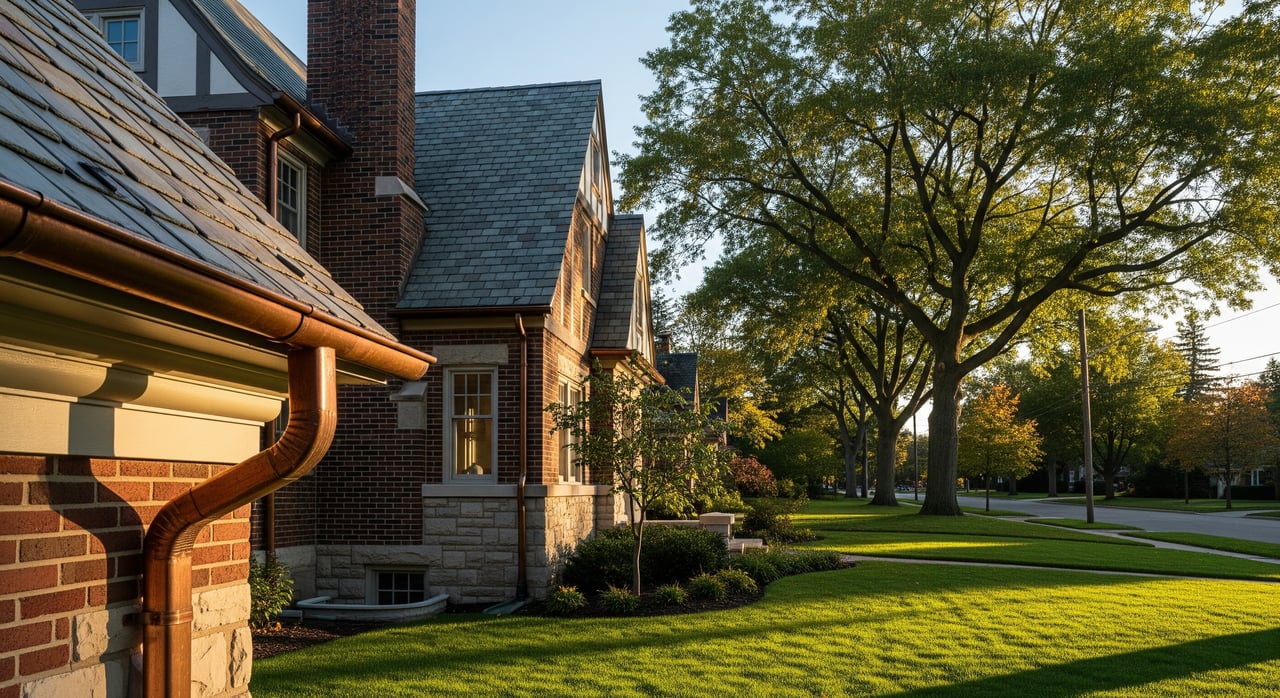
- Roof and gutters: wear from freeze-thaw cycles, chimney and dormer flashing, and downspout drainage.
- HVAC age and service: furnace performance after winter use and recent maintenance records.
- Electrical: panel capacity in older homes, GFCI protection, and any DIY wiring concerns.
- Plumbing and water heater: age and condition of lines and fixtures.
- Siding, trim, and paint: moisture-related deterioration that affects both durability and curb appeal.
- Radon potential: many DuPage buyers request testing, so consider a seller test.
- Sewer lateral: older neighborhoods can have root intrusions or cracks, making a sewer scope useful.
- Lead-based paint: pre-1978 homes require federal lead disclosure and a lead pamphlet.
What to do with inspection findings
Fix before listing
Repairing issues upfront lets you market “recently repaired” items and helps you avoid renegotiations. Use licensed contractors, pull permits if required, and keep receipts and warranties. You may not recoup every dollar, but buyers often value a turnkey experience.
Selective repairs and estimates
Address high-impact or safety items such as active leaks or electrical hazards. For larger projects you cannot complete before listing, provide written bids or a clear plan so buyers understand scope and cost.
Price or credit at closing
If repairs are not practical, you can price accordingly or offer a credit based on contractor estimates. Clear documentation helps buyers evaluate value and reduces friction later.
Disclose and sell as-is
If you prefer not to repair, disclose findings transparently and price to match condition. Sharing the inspection report can reduce disputes about unknown defects and attract buyers comfortable with as-is purchases.
Offer a warranty or escrow
A one-year home warranty can add peace of mind for mechanical systems. Escrowing funds for a specific item lets you move forward while addressing a known issue after closing.
When a pre-listing inspection makes sense
- You want to present a move-in ready home and fix defects in advance.
- You expect multiple offers and want to reduce contingencies.
- Your home is older or shows deferred maintenance, and you want clarity on big-ticket items.
- You plan to sell as-is but want accurate pricing and proper disclosure.
- You intend to do repairs and want professional documentation for buyers.
When to skip or wait
- You will price aggressively as-is and accept buyer inspections.
- Market conditions are extremely competitive and buyers are already waiving inspections. Even then, consider whether a seller inspection would still support your goals.
How to choose inspectors and vendors
Choose an inspector with recognized credentials, such as ASHI or InterNACHI membership, and ask for proof of errors and omissions insurance, sample reports, and local DuPage references. For specialty tests like radon, sewer scopes, chimney, mold, termite, or HVAC combustion analysis, use qualified specialists.
If you proceed with repairs, hire licensed contractors for permit-required work and retain all invoices, permits, and warranties. These documents help buyers and protect you.
Marketing and negotiation strategy
Consider sharing a dated inspection report or a concise summary in your listing materials if allowed by local MLS rules. Provide receipts, warranties, and permit records to support completed repairs. If you choose not to repair, be transparent in your disclosures and set pricing that reflects condition. Clear, organized documentation can reduce low-quality offers and help you secure stronger terms.
Risk management
Complete the Illinois disclosure form accurately and provide the federal lead-based paint materials when required. Keep your inspection report, bids, invoices, permits, and related communications. If a report reveals a material defect and you are unsure about wording or risk, consult your listing agent and, if needed, a local real estate attorney.
Next steps
- Decide if your goals call for a pre-listing inspection or an as-is strategy.
- If inspecting, book it in late winter to stay on track for spring.
- Line up specialty tests based on your home’s age and condition.
- Gather bids, choose high-impact repairs, and pull permits where required.
- Organize your disclosure form, receipts, and warranties for buyers.
If you want a tailored plan for your Clarendon Hills home, connect with a local expert team that blends neighborhood insight with elevated marketing. Reach out to Ginny Stewart to map your listing timeline, inspection strategy, and pricing approach.
FAQs
Will a pre-listing inspection hurt my negotiation in Clarendon Hills?
- It depends on how you handle findings; unresolved major issues can weaken your position, but clear disclosures, strategic repairs, or credits often strengthen it by reducing buyer contingencies.
How much do pre-listing inspections and tests cost in DuPage County?
- General inspections are often a few hundred dollars, commonly around 500 to 700 dollars, with add-ons like radon at 100 to 200 dollars and sewer scopes at 150 to 400 dollars.
Do I need to disclose inspection findings under Illinois law?
- Yes, known material defects should be reflected on the Illinois Residential Real Property Disclosure form, and pre-1978 homes must follow federal lead-based paint disclosure rules.
Should I order a radon test before listing in Clarendon Hills?
- Many Illinois buyers request radon testing; a seller test can preempt delays and help you decide on mitigation if levels are elevated.
Will buyers still do their own inspections if I provide one?
- Many buyers will still order their own inspection, but your recent report and documentation can reduce requests, speed up negotiations, and improve buyer confidence.