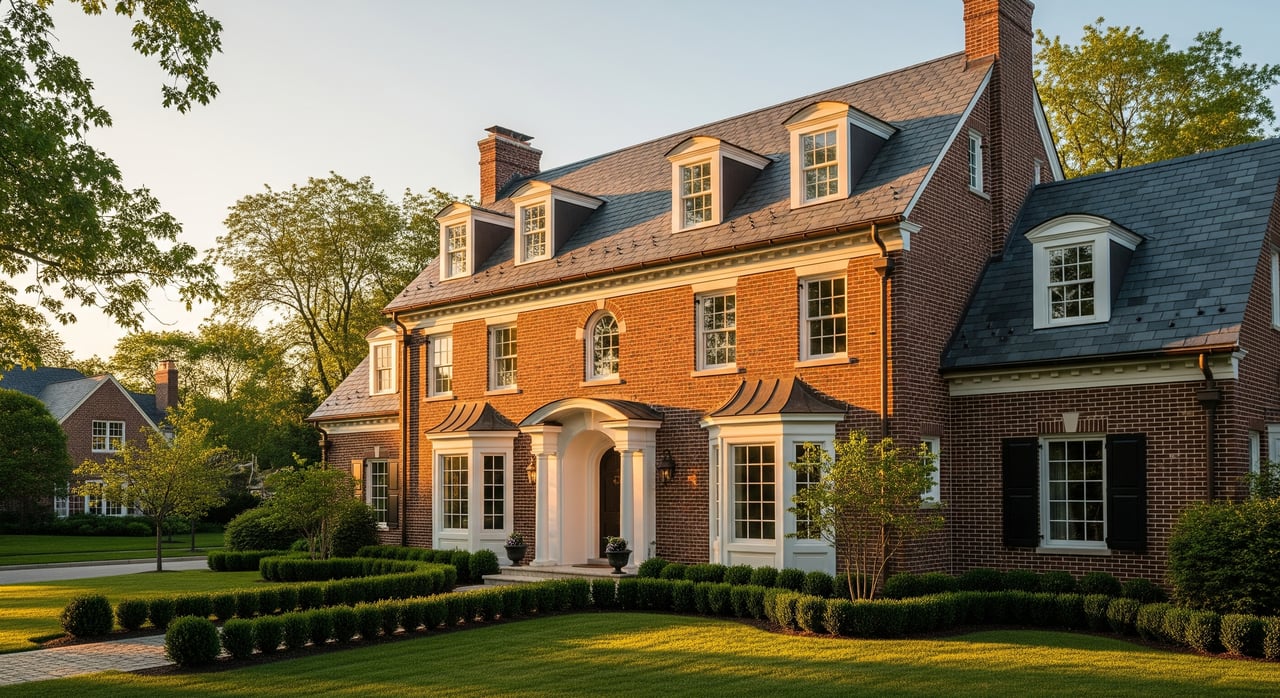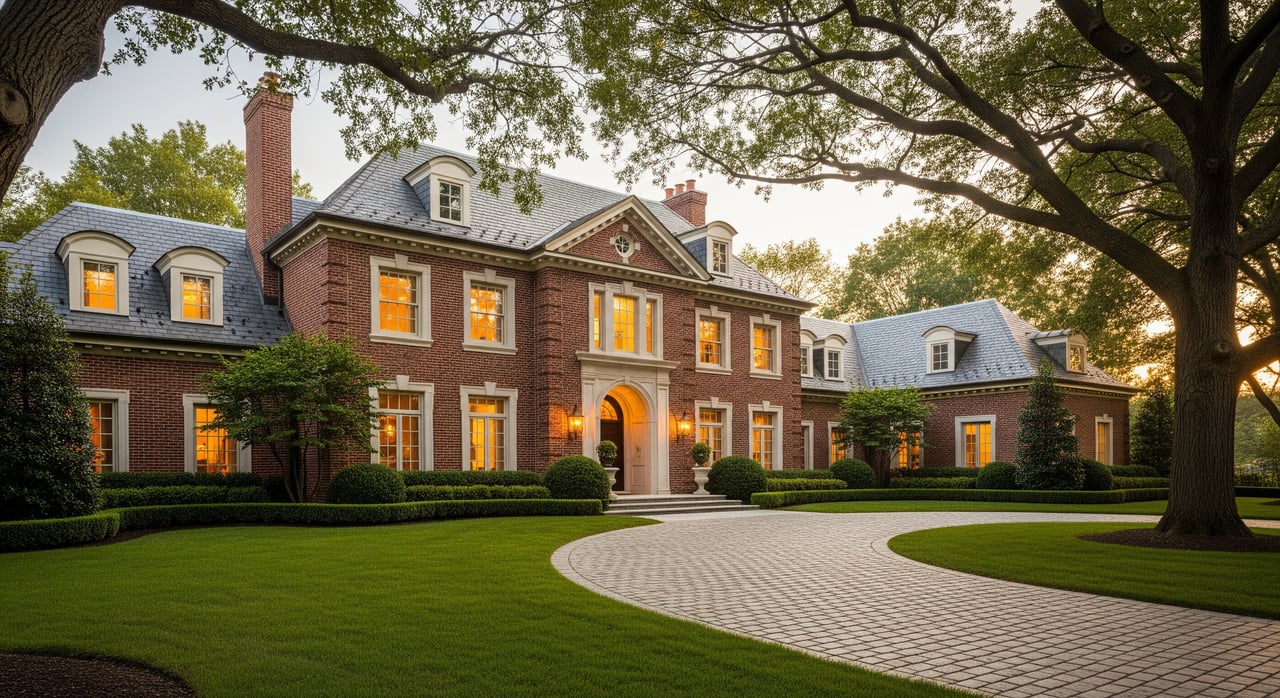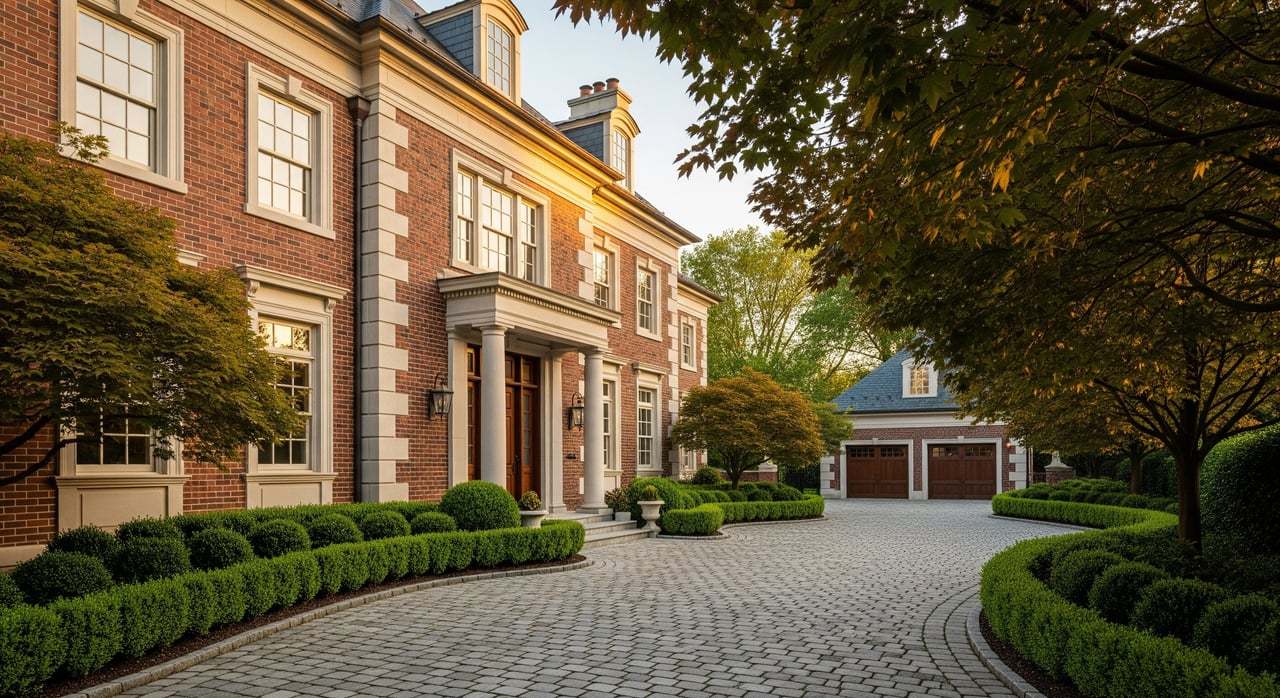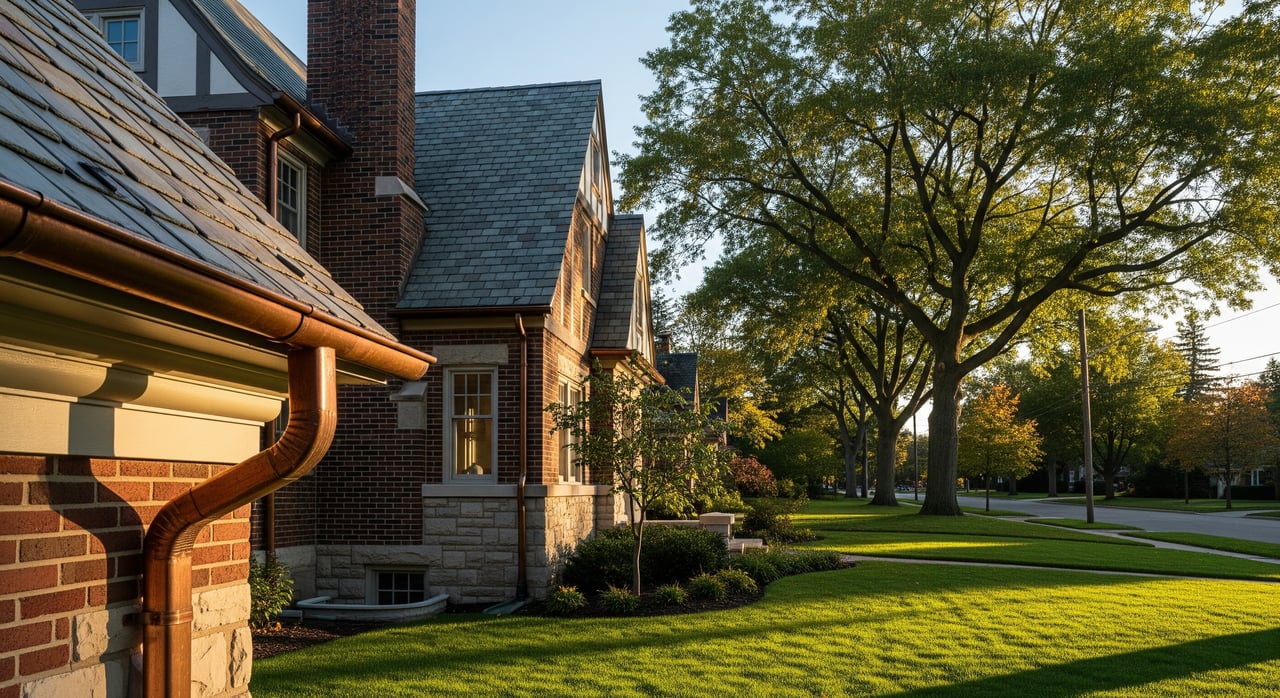
If you are thinking about a move to Western Springs, one question matters more than almost any other: what does daily life actually feel like from one part of town to the next? In a village this established, small shifts in location can shape your routine, from how close you are to downtown and the Metra station to the kind of lot, home style, and maintenance level you prefer. This guide will help you understand Western Springs neighborhoods, housing character, and lifestyle rhythms so you can narrow in on the right fit with more confidence. Let’s dive in.
Why Western Springs Stands Out
Western Springs is a compact village about 18 miles west of Chicago, and its layout plays a big role in its appeal. According to the Village of Western Springs planning document, the downtown commercial core centers around the BNSF/Metra station and Tower Green, with additional smaller commercial pockets along major streets.
That setup gives you a community that feels connected and established rather than spread out. The village is also largely built out, which helps explain why many buyers see Western Springs as a mature market with limited room for large-scale change.
Recent U.S. Census QuickFacts data add more context. Western Springs has an estimated 2024 population of 13,529, a 95.6% owner-occupied housing rate, a median owner-occupied home value of $739,400, and a median household income of $230,255.
Those numbers support what many buyers notice right away: Western Springs tends to attract people looking for long-term ownership, a strong sense of place, and an easy commuter connection. The same Census profile shows that 95.7% of residents lived in the same home one year earlier, which points to a stable community with relatively low turnover.
How Western Springs Neighborhoods Differ
One of the most useful ways to think about Western Springs is as a collection of distinct neighborhoods rather than one uniform housing market. The Western Springs Historical Society notes that several neighborhoods were already established when they were annexed, which helps explain the variety you see across the village.
In practical terms, that means your experience can differ based on where you land. Some areas feel closely tied to the historic core and downtown, while others reflect later residential growth, larger-lot patterns, or lower-maintenance housing choices.
Old Town and the historic core
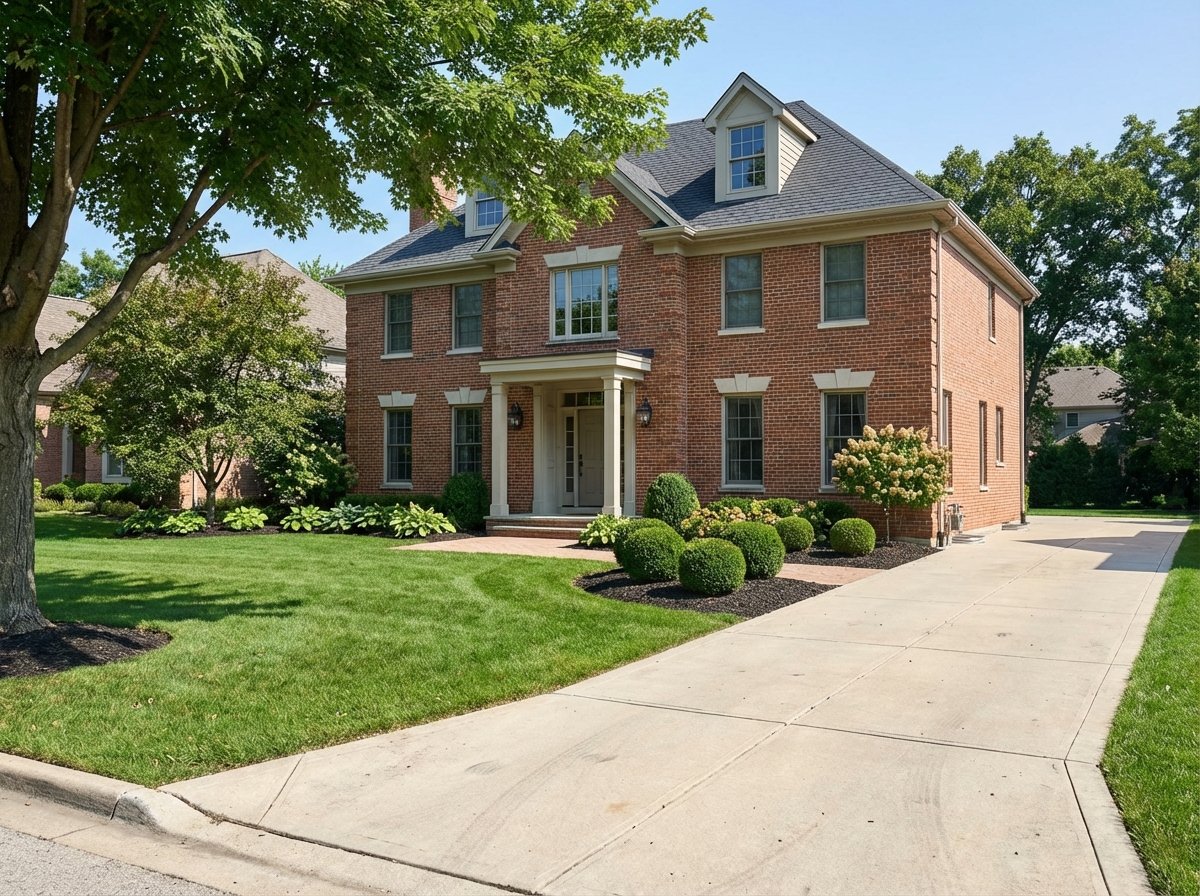
Old Town is the historic heart of Western Springs and closely tied to the village’s original settlement story and mineral-springs identity. If you want a classic in-town setting with strong historical character, this is often the reference point buyers start with.
This part of town can appeal to people who value proximity to downtown, the station area, and the traditional village center. It is a natural fit if you like the feel of established streetscapes and a location that puts you close to community events and local routines.
Fairview Estates, Field Park, and Ridge Acres
Fairview Estates is the village’s smallest neighborhood and one of its oldest, located near Wolf Road and 47th Street. Field Park and Ridge Acres sit between Wolf Road and Gilbert Avenue from Ogden Avenue to 47th Street, placing them within the older in-town fabric of the community.
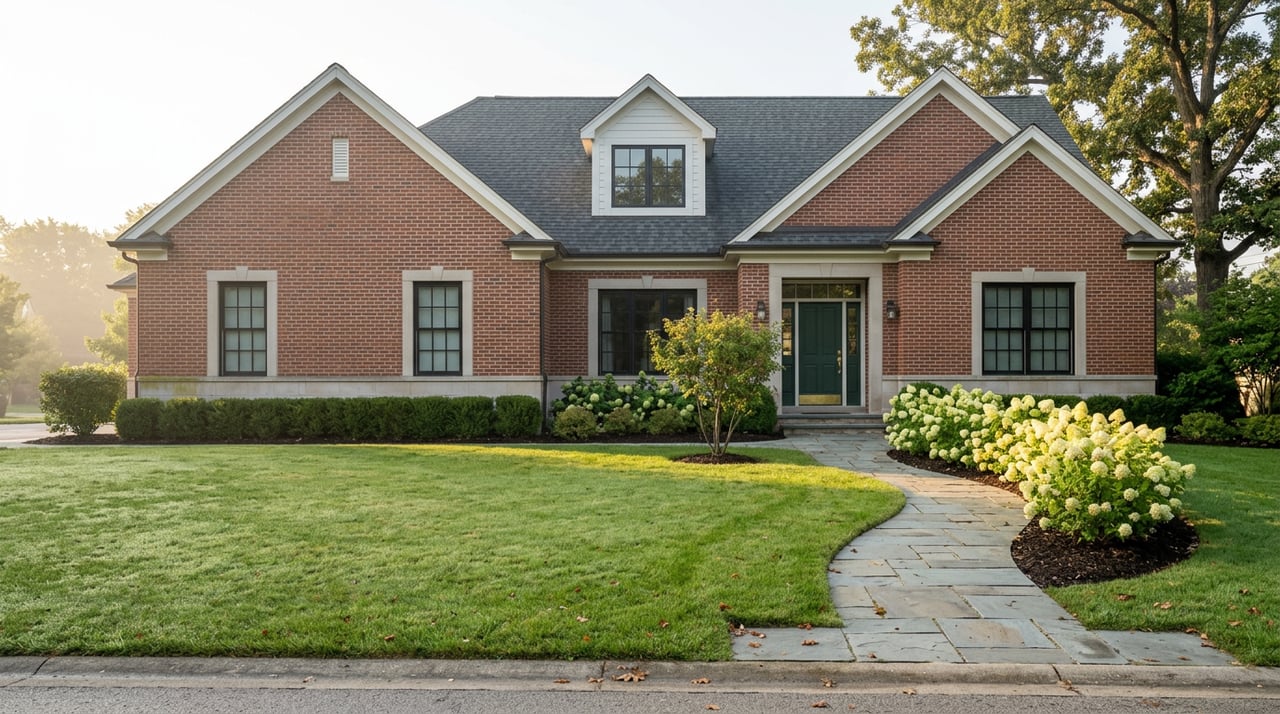
For buyers, these neighborhoods can offer that mature, established feel many people look for in Western Springs. Housing age, lot size, and updating levels can vary, so this area often rewards a closer look at block-by-block differences.
Forest Hills and larger-lot appeal
Forest Hills stands out for a specific reason. The neighborhood was designed with wide, deep front lawns and large backyards, according to the Historical Society’s neighborhood overview.
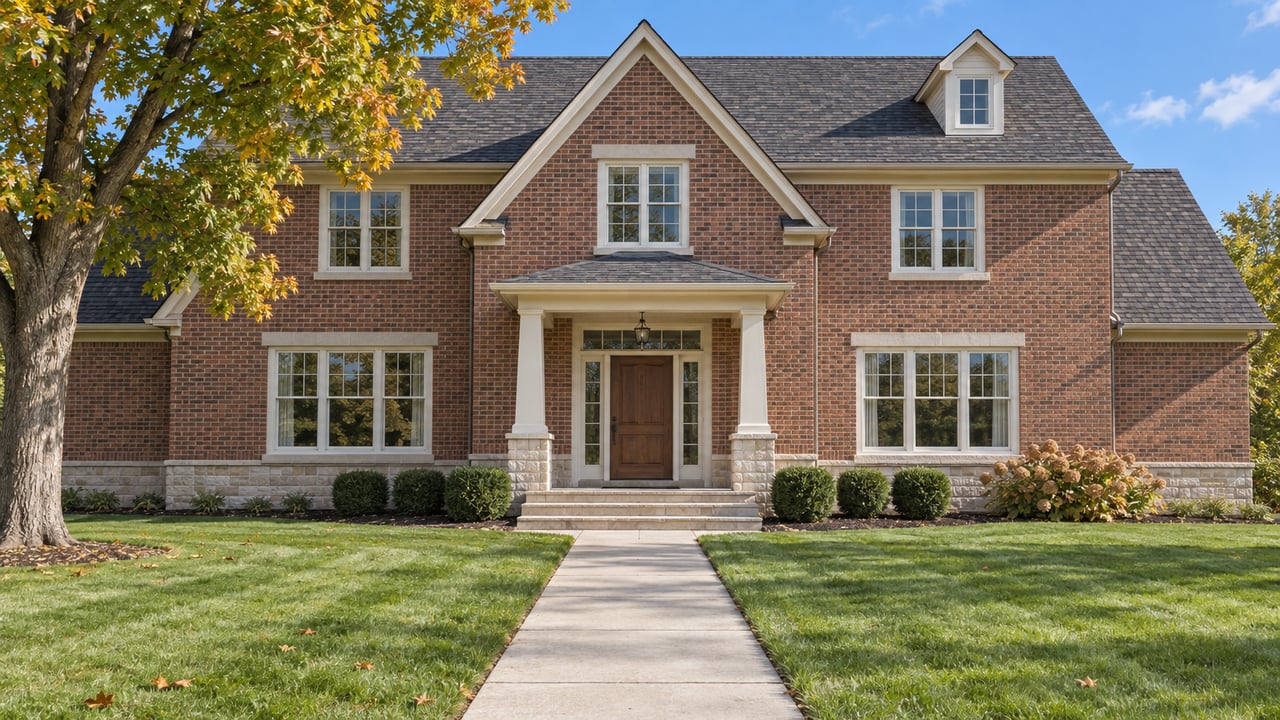
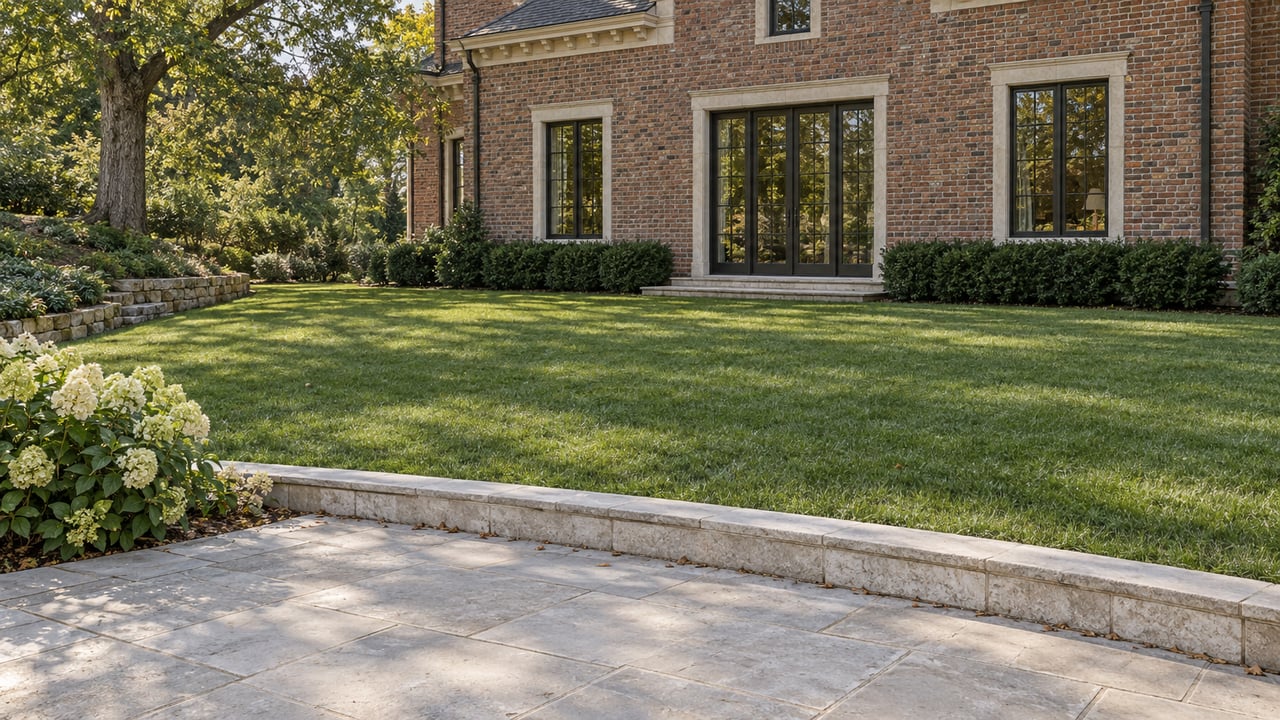
If your wish list includes more outdoor space, generous setbacks, and a more expansive residential feel, Forest Hills is one of the clearest examples in town. It is often the kind of area buyers consider when they want a little more breathing room without leaving Western Springs.
Ridgewood and Springdale
Ridgewood and Springdale represent a later phase of village growth. These postwar subdivisions were built on former farmland, which gives them a different development story than the historic core.
That distinction matters because it often shapes neighborhood feel. Buyers who prefer a postwar subdivision pattern over a historic in-town setting may want to compare these areas closely with older neighborhoods elsewhere in the village.
Commonwealth and low-maintenance living
Commonwealth is one of the clearest low-maintenance housing options in Western Springs. It was developed as a long townhome corridor and was originally planned with downsizers in mind.
For some buyers, that can be a major advantage. If you want to stay in Western Springs but reduce exterior upkeep or simplify your day-to-day homeownership responsibilities, Commonwealth is worth considering.
Timber Trails and newer housing choices
Timber Trails is the newest neighborhood in Western Springs, developed on the former Timber Trails Country Club site. It includes a mix of single-family homes and townhomes, along with walking and bike-path connections that are underway.
This area can be especially appealing if you want newer construction patterns in a village known mostly for established neighborhoods. It offers a different kind of lifestyle than the historic core, while still keeping you within the Western Springs community.
What Daily Life Looks Like
Choosing the right neighborhood is really about choosing the routine you want. In Western Springs, daily life often revolves around downtown convenience, commuter access, parks, and a steady calendar of local events.
Downtown and commuter convenience
The village planning document describes downtown as the commercial core surrounding the BNSF station. It also points to a grocery-anchored shopping center and smaller commercial nodes along Gilbert Avenue, 47th Street, 55th Street, Wolf Road, and Commonwealth Avenue.
That matters if you want errands, dining, and train access to work together in a practical way. Western Springs is not just a place where people catch the train. It also has enough local retail structure to support everyday routines close to home.
The Census profile lists the mean commute time at 31 minutes, which adds to the village’s appeal for buyers who want a commuter-oriented suburb with a well-defined downtown center.
Schools and community structure
Western Springs is served locally by Western Springs School District 101, which includes Field Park Elementary, Forest Hills Elementary, Laidlaw Elementary, and McClure Junior High. Older students are served by Lyons Township High School District 204, with South Campus in Western Springs for freshmen and sophomores and North Campus in La Grange for juniors and seniors.
For many buyers, school boundaries are part of the home search process, but they are also part of how the village is organized day to day. Schools, parks, and neighborhood identity are closely connected in many parts of Western Springs.
Parks and outdoor access
The Western Springs Park District manages 13 parks totaling more than 91 acres. Spring Rock Park is the largest at 41.7 acres and includes playgrounds, a splash pad, tennis and pickleball facilities, picnic areas, restrooms, and sports fields.
Neighborhood parks also play a big role in everyday life. Field Park, Forest Hills Park, Laidlaw Park, and Timber Trails Park sit close to homes and schools, which supports the kind of walk-to-the-park routine many buyers are hoping to find.
Library, theater, and civic life
Western Springs feels active in part because of its civic anchors. Thomas Ford Memorial Library, the Theatre of Western Springs, and the Village Club all add to the village’s community life.
The result is a town that often feels busy in a good way. Even though it is small, it offers gathering spaces and local institutions that help create a connected rhythm throughout the year.
Events, Dining, and Village Energy
If lifestyle is a deciding factor for you, downtown Western Springs is where a lot of the village personality shows up. The Western Springs French Market brings weekly activity to the community on Wednesdays with produce, baked goods, flowers, specialty foods, and live buskers.
The Western Springs Business Association also runs recurring events such as Gathering on the Green and Jammin' in July. The annual Tower Trot on Memorial Day weekend adds another tradition centered around the Grand Avenue Community Center and the broader downtown area.
For dining, the local scene is more main-street village center than major restaurant corridor. The regional chamber guide highlights downtown spots such as Petite Vie, Davanti Enoteca, BB's Donuts, Kirschbaum's Bakery, and Opry Provisions, reinforcing the idea that dining here is closely tied to walkability, local business support, and community events.
Which Western Springs Lifestyle Fits You?
Many buyers considering Western Springs are trying to match a neighborhood to a lifestyle, not just a house to a budget. Based on the village’s layout, housing mix, and community features, a few patterns tend to stand out.
You may like Western Springs if you want commuter ease
If train access and a true downtown matter to you, the neighborhoods closest to the historic core may rise to the top of your list. Being near the station, Tower Green, and downtown businesses can make everyday life feel more connected and efficient.
You may like Western Springs if you want an established residential feel
If you are drawn to mature neighborhoods, varied architecture, and a village with strong ownership patterns, Western Springs checks many boxes. Census and planning data both support the idea of a stable, established community with long-term ownership and limited large-scale redevelopment.
You may like Western Springs if you want outdoor space
If lot size is high on your list, neighborhoods such as Forest Hills deserve a closer look. Its design emphasis on wide front lawns and larger backyards makes it one of the clearest examples of a more expansive residential setting within the village.
You may like Western Springs if you want lower maintenance
If you want to simplify homeownership without leaving the community, Commonwealth and parts of Timber Trails may be especially relevant. These areas give buyers a way to prioritize convenience and lower upkeep while staying connected to the Western Springs lifestyle.
How to Narrow Your Search
When you tour Western Springs, it helps to focus on your routine before you focus on finishes. Ask yourself how often you want to use the train, how important a larger yard is, whether you prefer a historic setting or a newer development pattern, and how much maintenance you want to take on.
From there, compare neighborhoods through that lens. In a village with distinct pockets and relatively limited inventory, clarity about lifestyle fit can help you move faster when the right home appears.
If you are weighing Western Springs against nearby western suburbs, or trying to pinpoint which neighborhood best matches your next move, Ginny Stewart offers the kind of concierge-level, hyperlocal guidance that can make the process feel far more strategic and far less overwhelming.
FAQs
What is the overall lifestyle like in Western Springs?
- Western Springs offers a stable, mostly residential village setting with a downtown centered around the BNSF/Metra station, local retail, parks, community events, and established neighborhoods.
Which Western Springs neighborhoods have the most historic character?
- Old Town is the historic heart of the village, while Fairview Estates, Field Park, and Ridge Acres are also part of the older in-town fabric.
Which Western Springs neighborhood is known for larger lots?
- Forest Hills is known for wide, deep front lawns and large backyards, making it one of the village’s clearest larger-lot neighborhoods.
Are there lower-maintenance housing options in Western Springs?
- Yes. Commonwealth is a townhome-focused area originally planned with downsizers in mind, and Timber Trails also includes townhome options.
What schools serve Western Springs, Illinois?
- Western Springs School District 101 serves K-8 students through Field Park Elementary, Forest Hills Elementary, Laidlaw Elementary, and McClure Junior High, while Lyons Township High School District 204 serves high school students.
What parks and outdoor amenities are available in Western Springs?
- The Western Springs Park District manages 13 parks totaling more than 91 acres, including Spring Rock Park, plus neighborhood parks such as Field Park, Forest Hills Park, Laidlaw Park, and Timber Trails Park.
Is Western Springs a good fit for Chicago commuters?
- Western Springs is often appealing to commuters because downtown centers around the BNSF/Metra station, and Census data lists the mean commute time at 31 minutes.
What kinds of buyers are often drawn to Western Springs?
- Western Springs often appeals to buyers who want commuter access, established owner-occupied neighborhoods, local parks and events, and a mix of historic, larger-lot, and lower-maintenance housing options.