Craving a yard and quieter evenings but worried about losing your easy Chicago routine? You’re not alone. Many West Loop and Lincoln Park residents look to Clarendon Hills for single-family living and a quick rail connection to downtown. In this guide, you’ll get clear answers on commute times, school coverage, housing costs, and what daily life actually feels like in this DuPage County village. Let’s dive in.
Why Clarendon Hills works for city professionals
Quick snapshot
If you want small-town ease without giving up your career in the city, Clarendon Hills delivers a compact, connected feel. The village has roughly 8,700 residents, a median household income of $130,388, and a median owner-occupied home value of $605,800. About 84% of homes are owner-occupied, and the mean travel time to work is 28.9 minutes. Around 72% of adults hold a bachelor’s degree or higher, which reflects an educated community focused on schools and career. You can review these figures in the U.S. Census QuickFacts for Clarendon Hills for a fuller snapshot of local demographics and housing trends. Explore Clarendon Hills QuickFacts.
Commute: what your day will feel like
Train to Union Station
Clarendon Hills sits on Metra’s BNSF line, which gives you a predictable ride into Chicago. Train time from Clarendon Hills to Union Station typically ranges from about 20 to 35 minutes, depending on whether your train is local or express. For exact options and departure windows, check the current BNSF Line timetable. Your total door-to-desk time usually lands between 35 and 80 minutes once you add parking or drop-off, boarding, and the walk from Union Station to your office.
Driving realities
Population averages show Clarendon Hills residents have a mean commute of about 28.9 minutes, which sits slightly below Chicago’s city mean of about 33.1 minutes. Your own drive will vary with traffic, route choice, and your final downtown destination. If driving is part of your plan, test your route at your typical morning and evening times to see how it really feels during rush hour.
Parking and the first/last mile
Station parking matters. Clarendon Hills lots include a mix of permit, resident, and daily spaces, and rules can change. Review the Village’s current parking details and commuter lot maps on the Village of Clarendon Hills site, and consider how you’ll handle school drop-offs or errands before your train.
Try the commute before you buy
- Take the exact morning train you expect to ride, then time the walk from Union Station to your office.
- Do the evening return at rush hour.
- Test parking or drop-off options from homes on your shortlist so you know which locations fit your routine.
Schools and youth programs
Elementary and middle: D181
Most Clarendon Hills addresses fall within Community Consolidated School District 181, which includes Prospect, Walker, and Clarendon Hills Middle School along with other nearby D181 schools. Attendance areas vary by street, so verify the assigned elementary and middle schools for any specific address early in your search. You can find district information and contacts on the D181 site.
High school: District 86
Hinsdale Township High School District 86 serves most Clarendon Hills addresses with Hinsdale Central and Hinsdale South as the two high schools in the district. District 86 publishes attendance and boundary resources; be sure to confirm the correct high school for a given property with the district. Start with the District 86 site.
Childcare, parks, and after-school
The Clarendon Hills Park District anchors a lot of family life with neighborhood parks, the Lions Park Pool, sports leagues, and summer camps. These programs fill afternoons and weekends and help new families connect quickly. Explore seasonal guides and registration details at the Clarendon Hills Park District.
Housing: what you get for your money
Home types and neighborhood feel
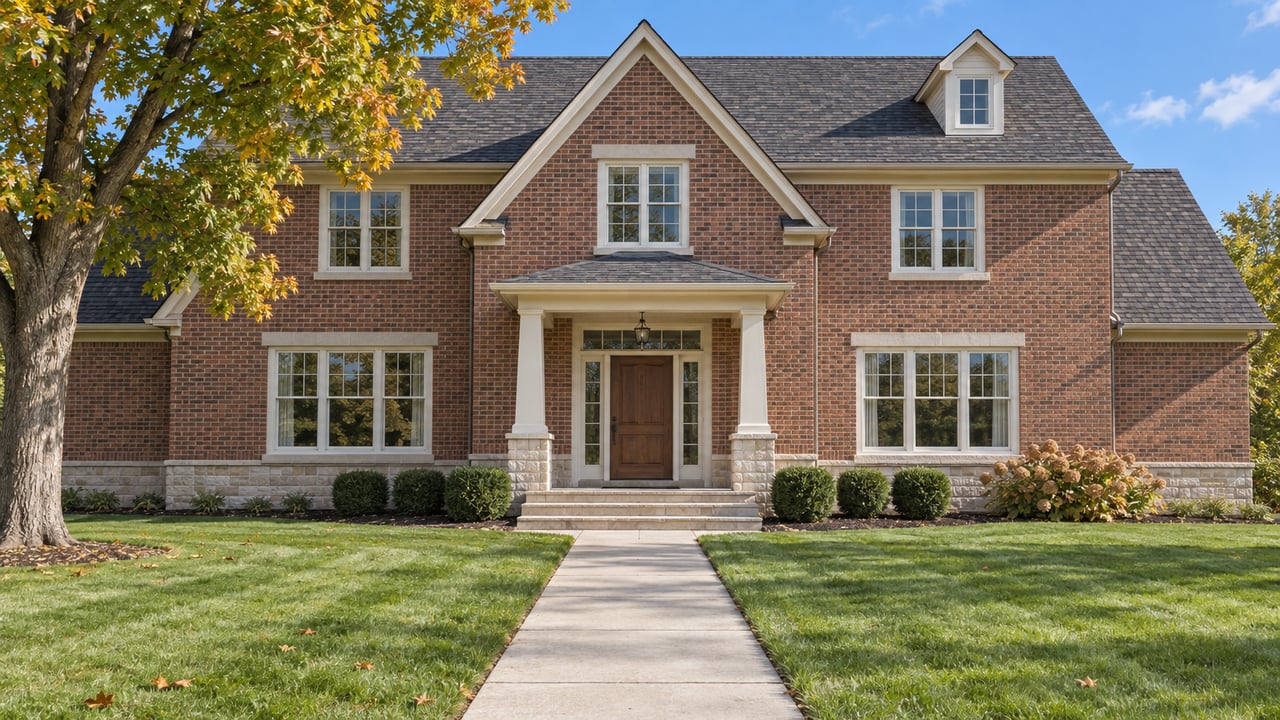
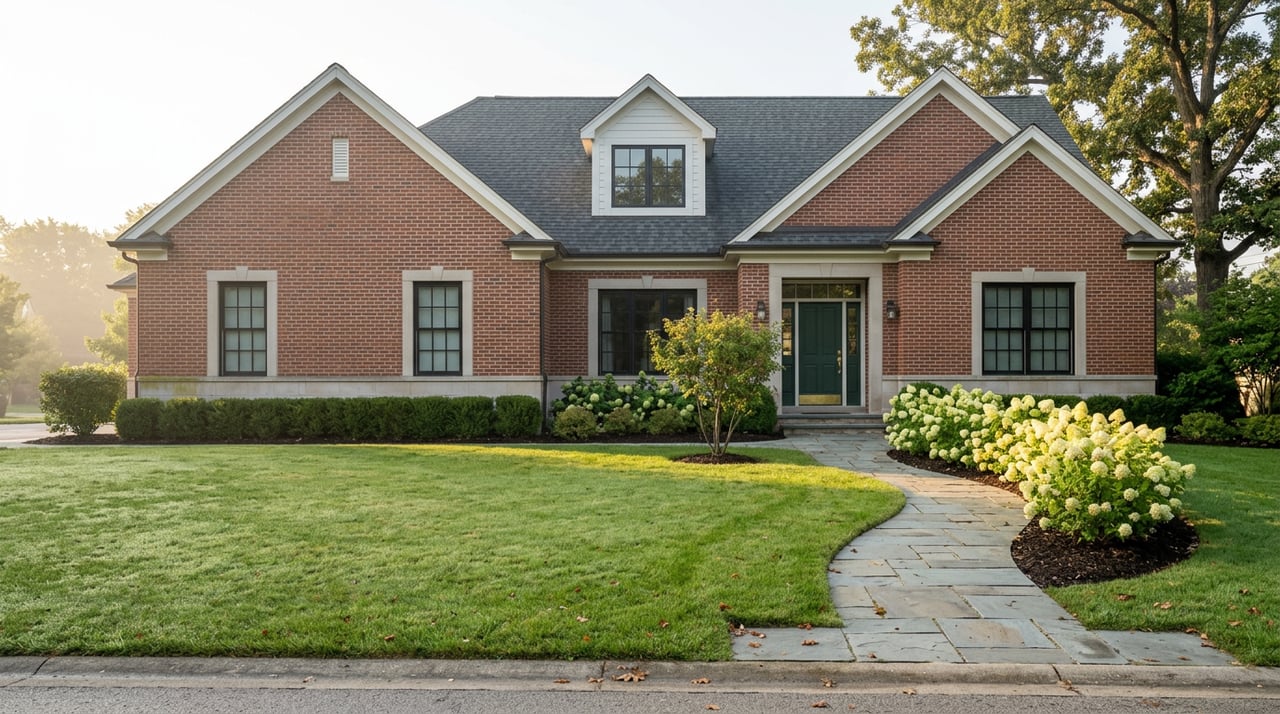
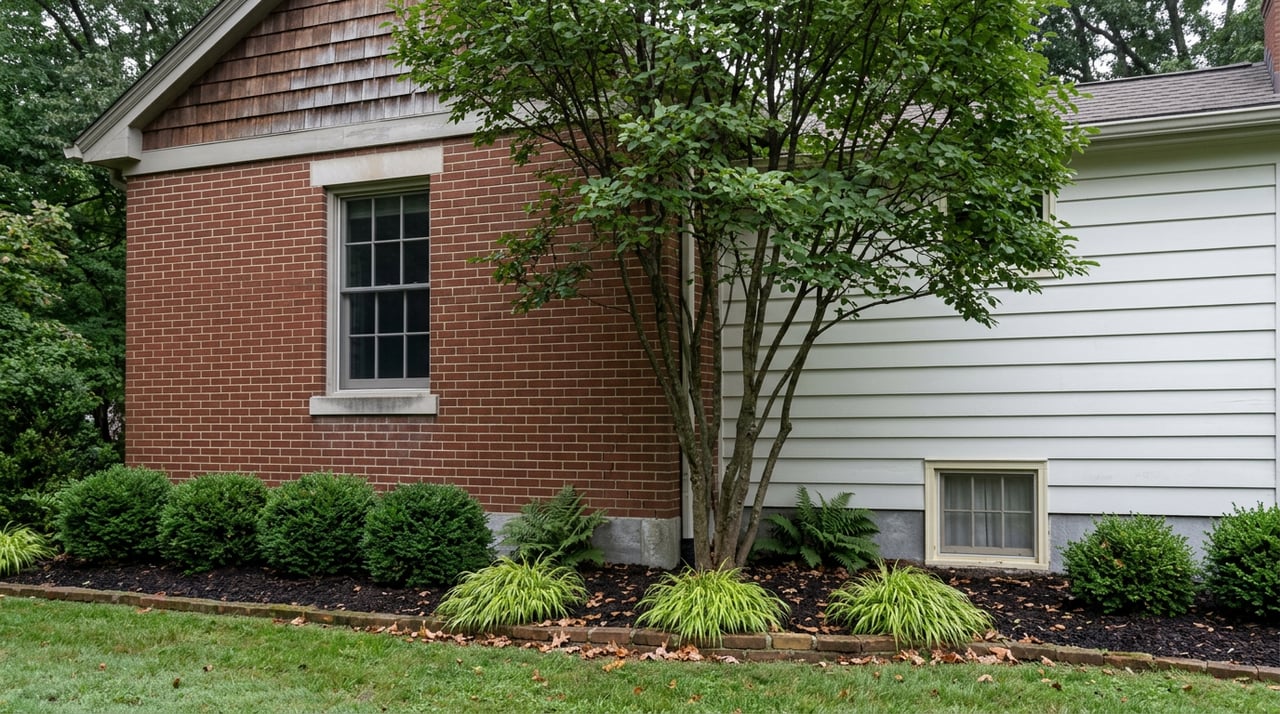
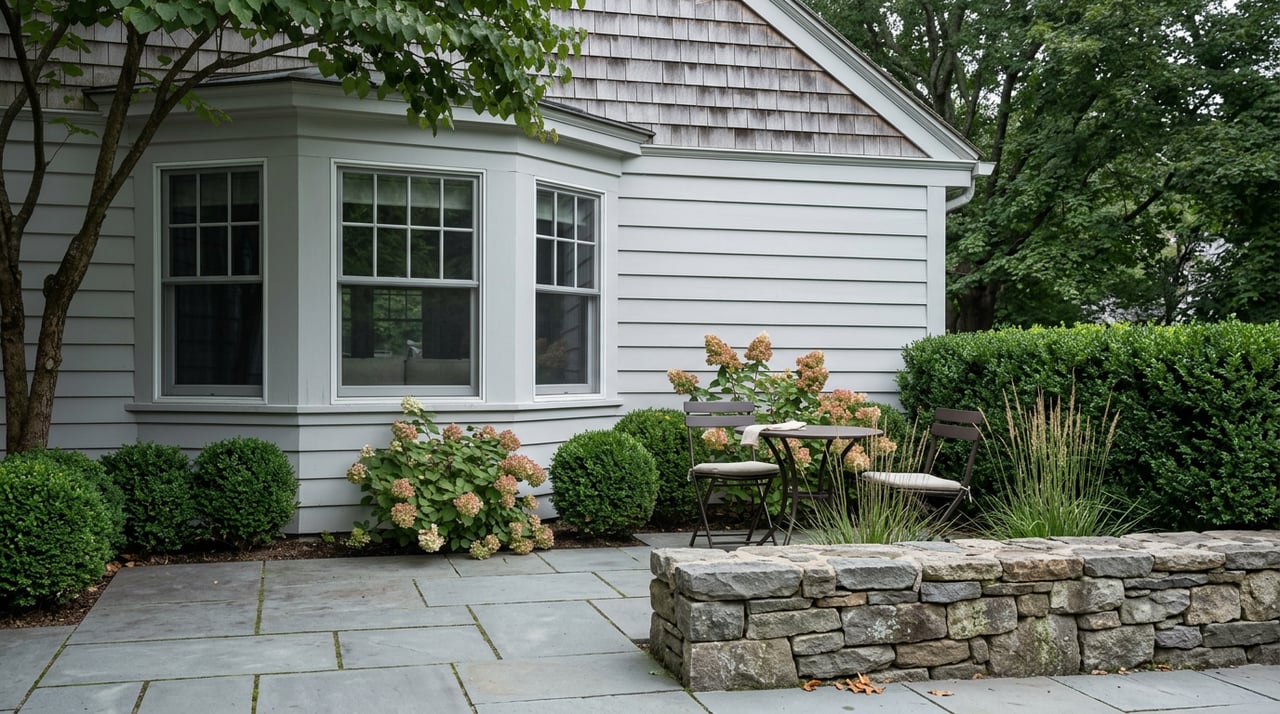
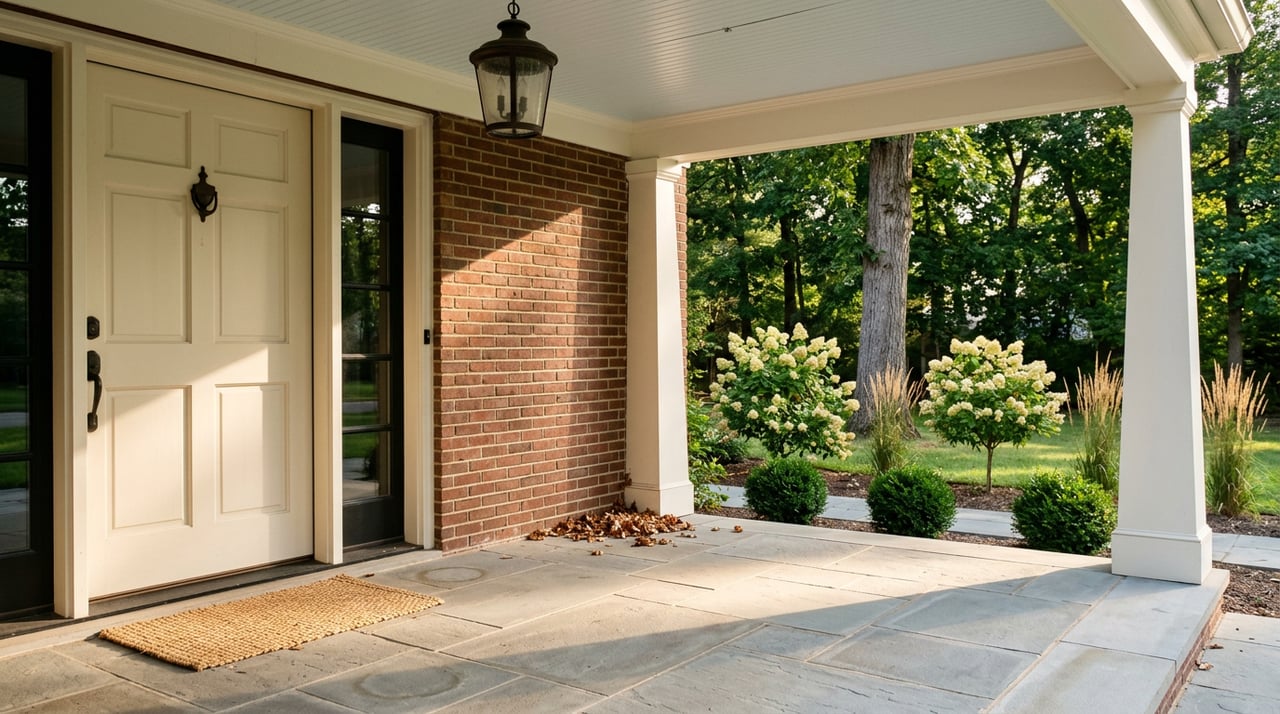
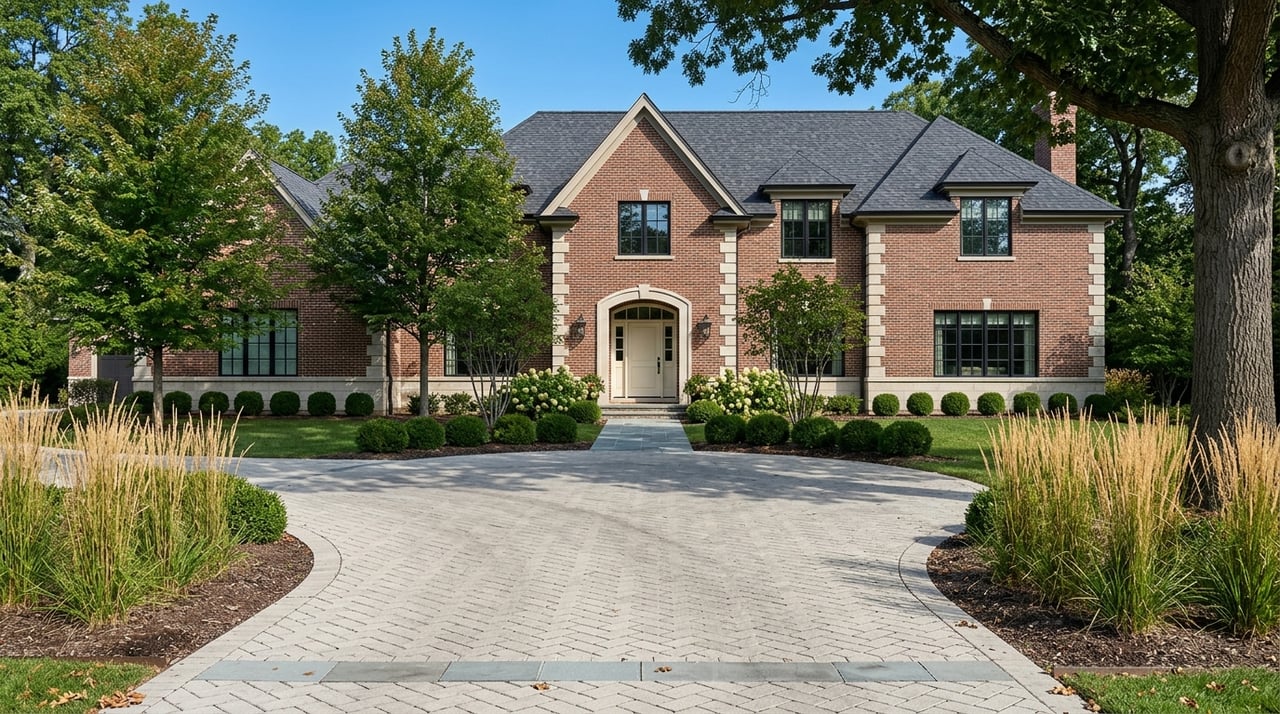
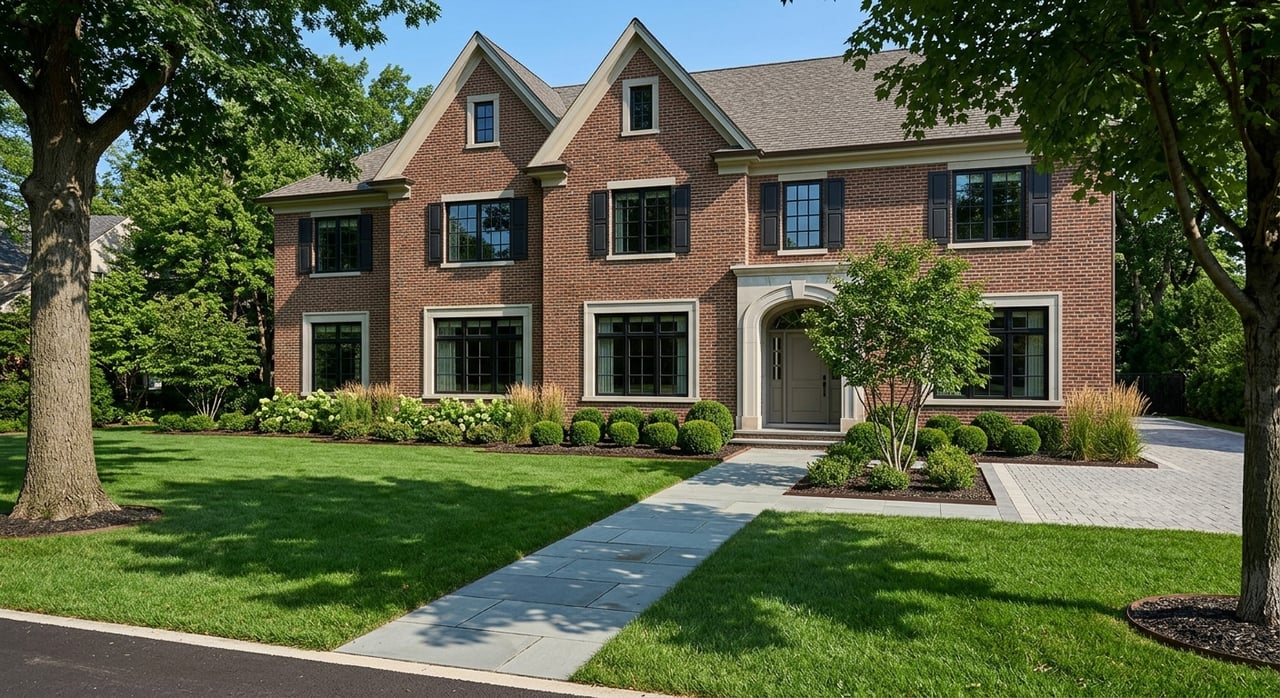
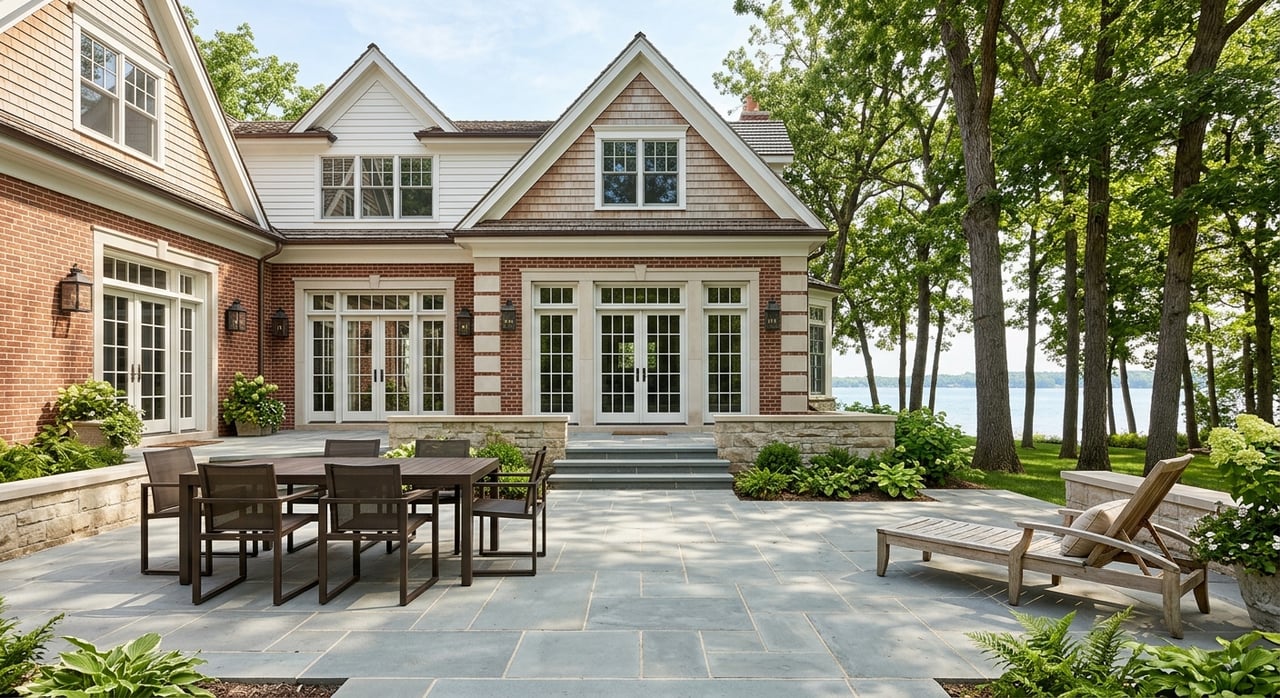
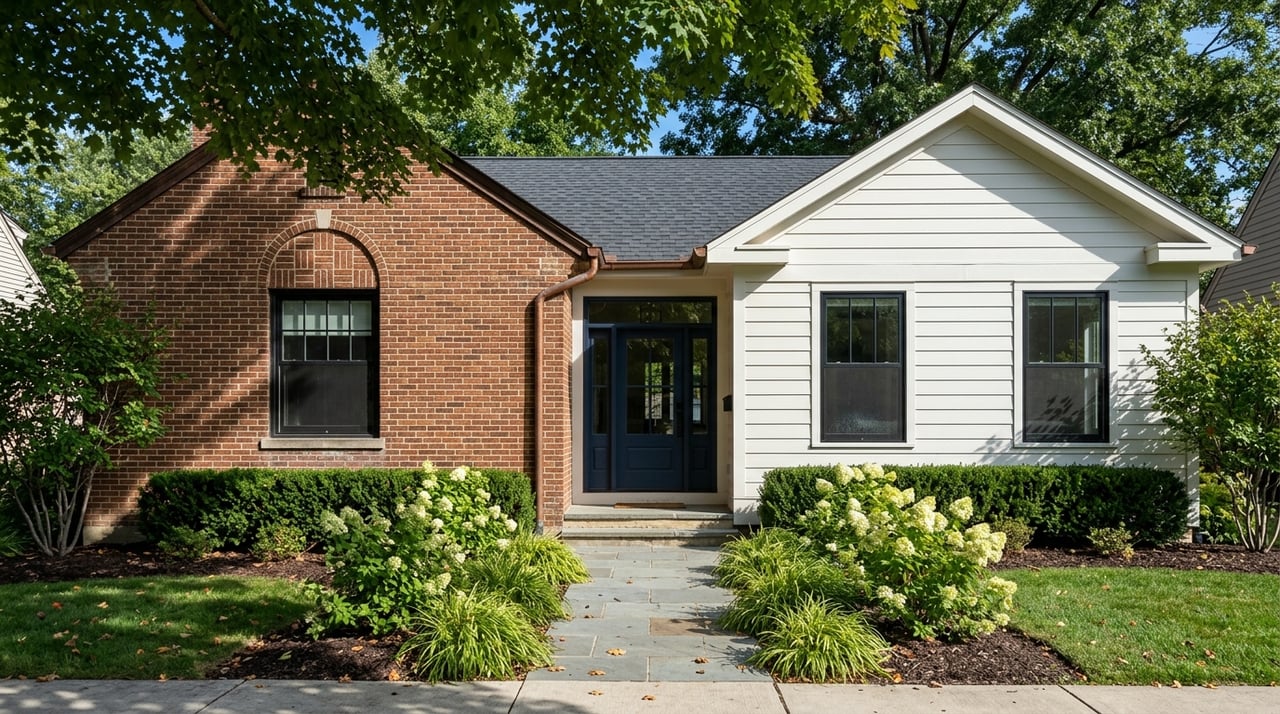
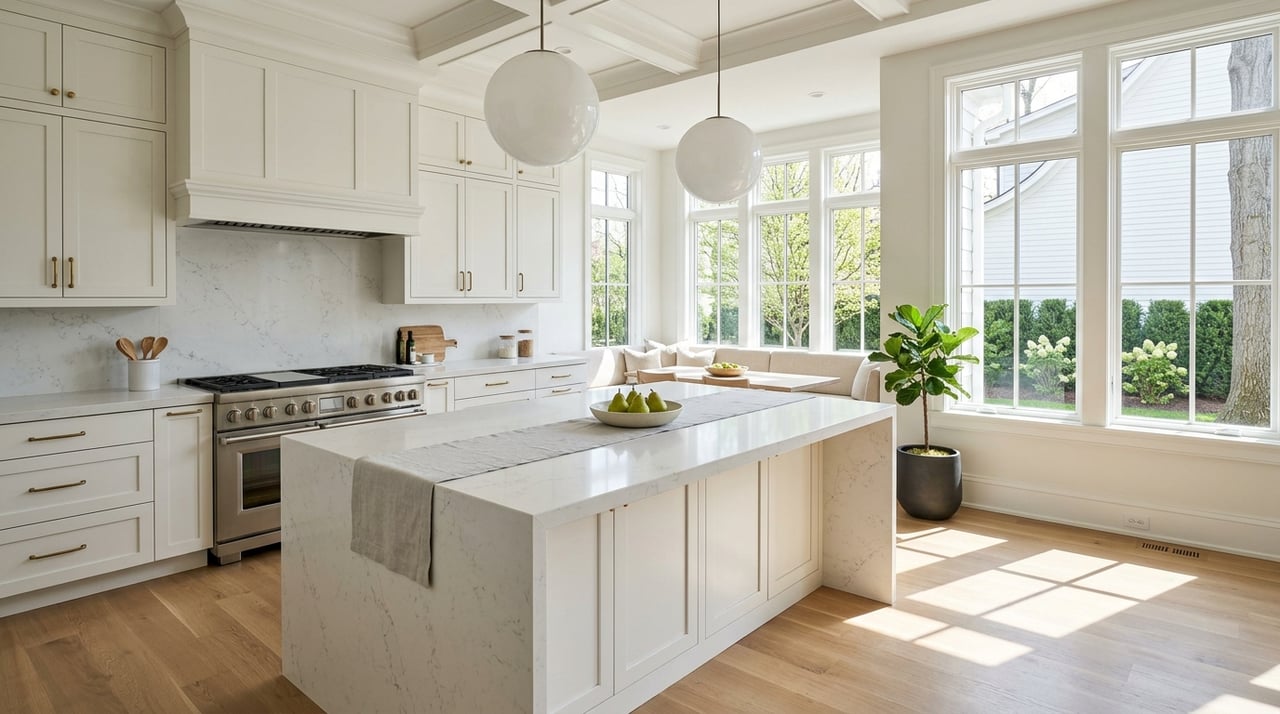
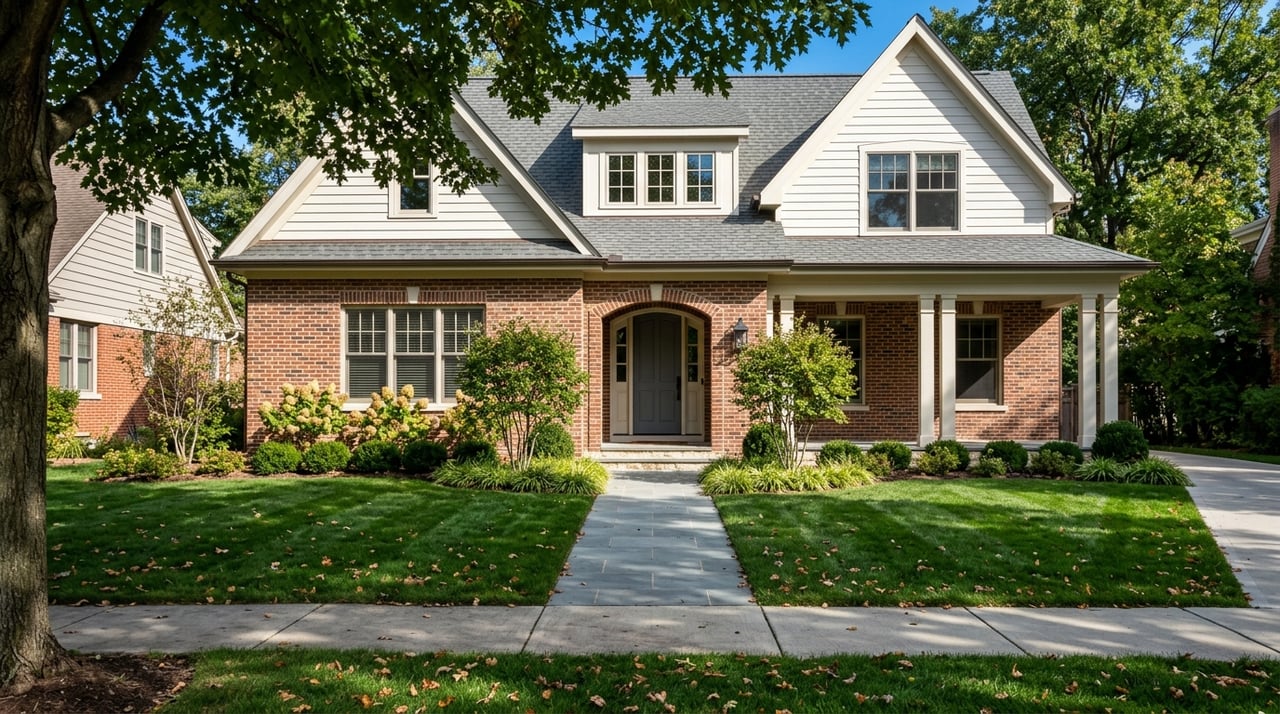
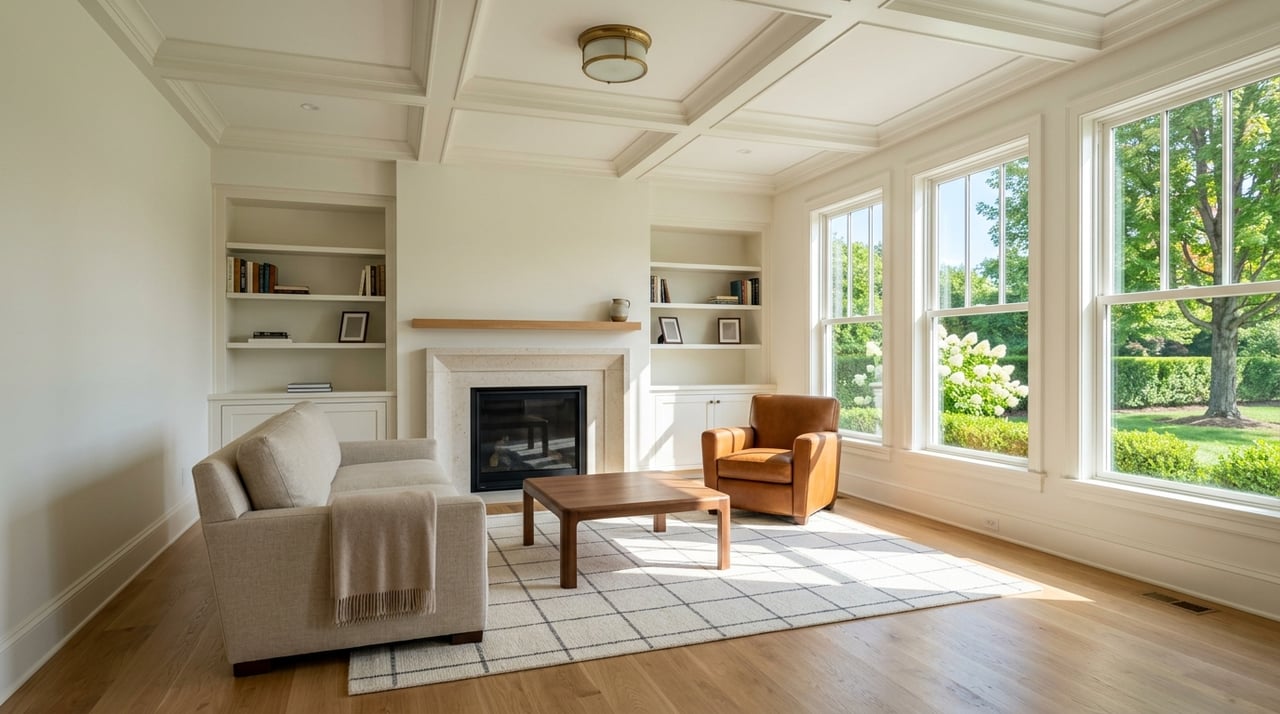
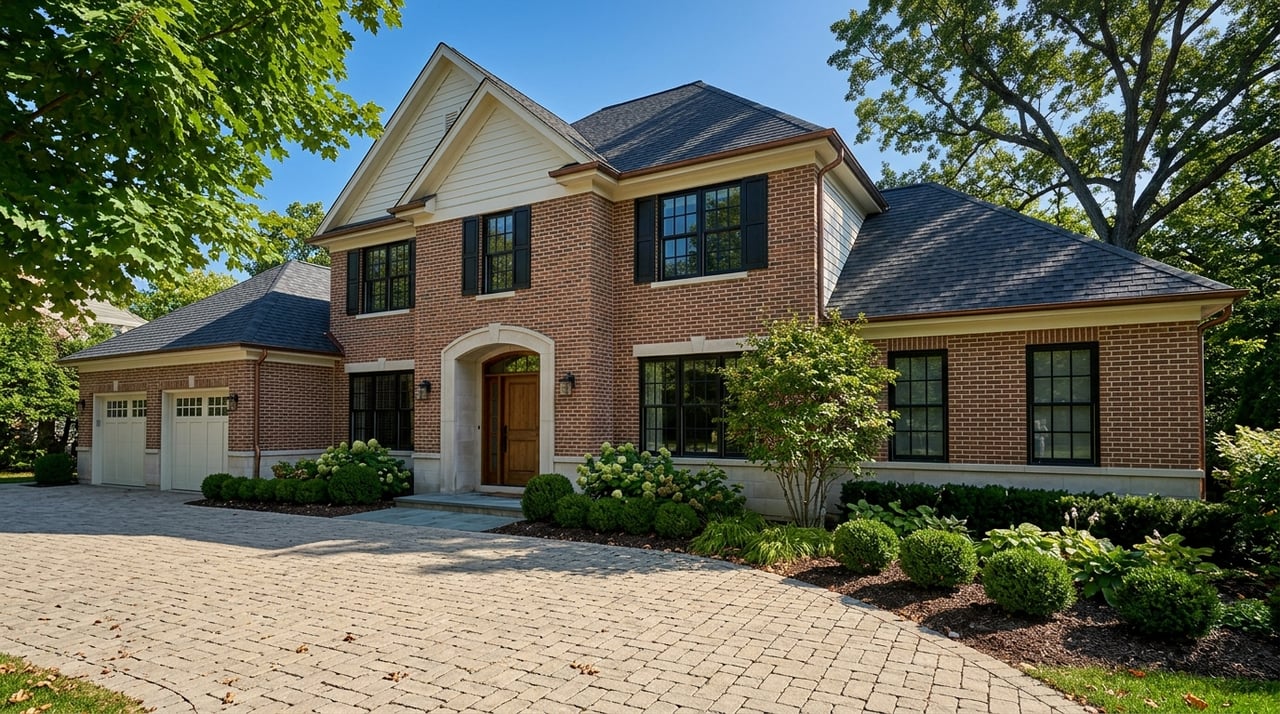
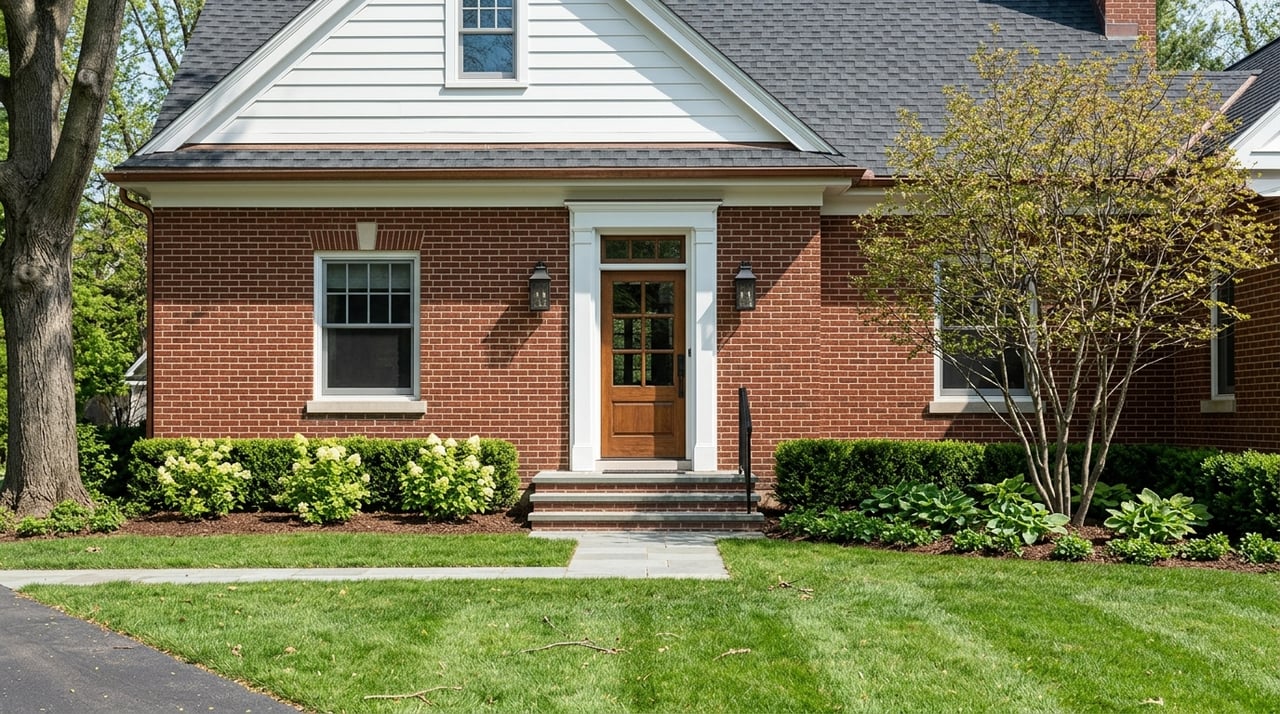
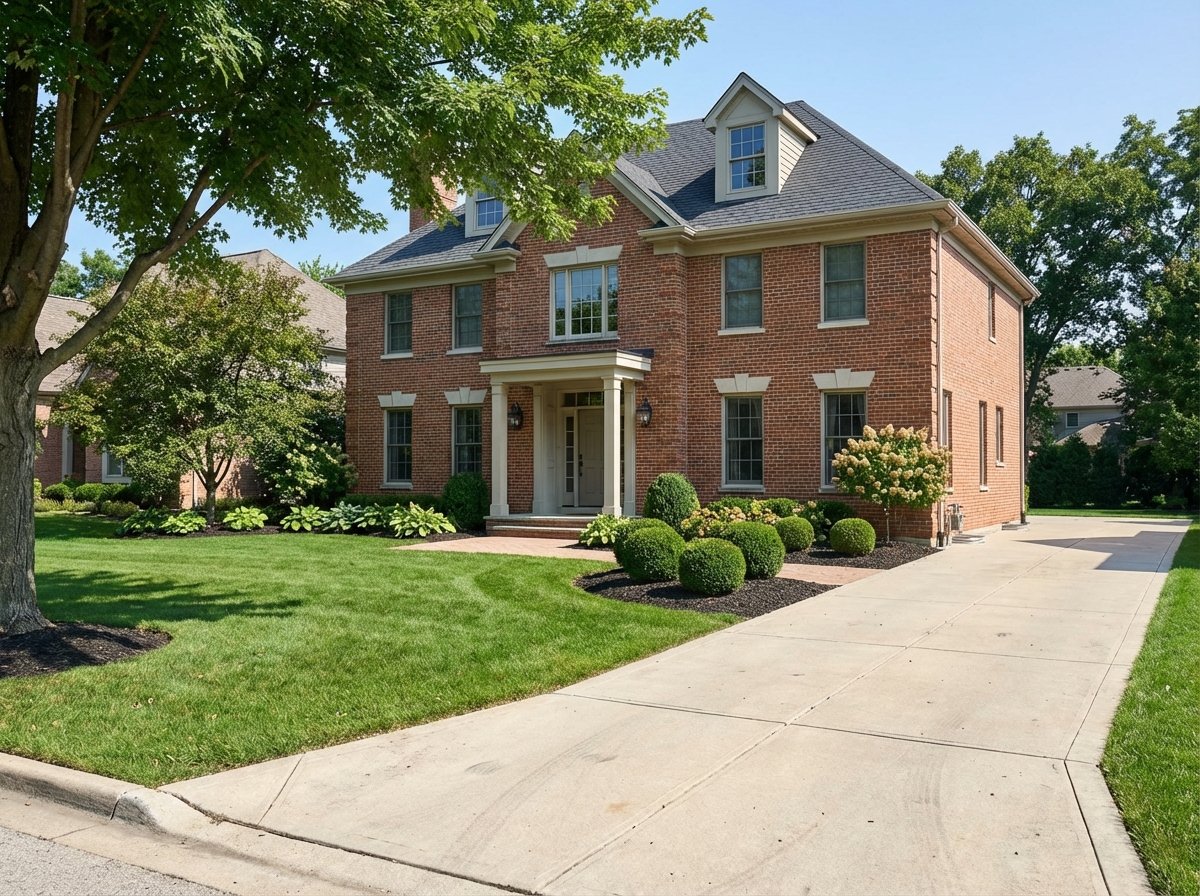
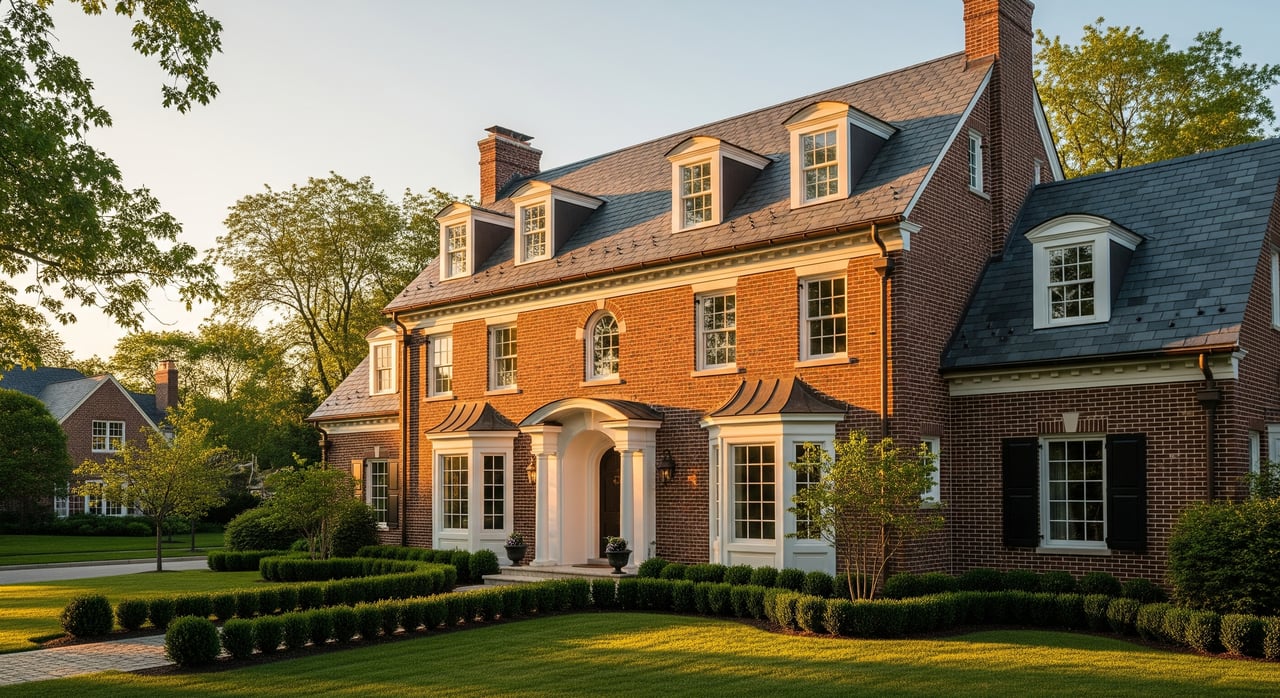
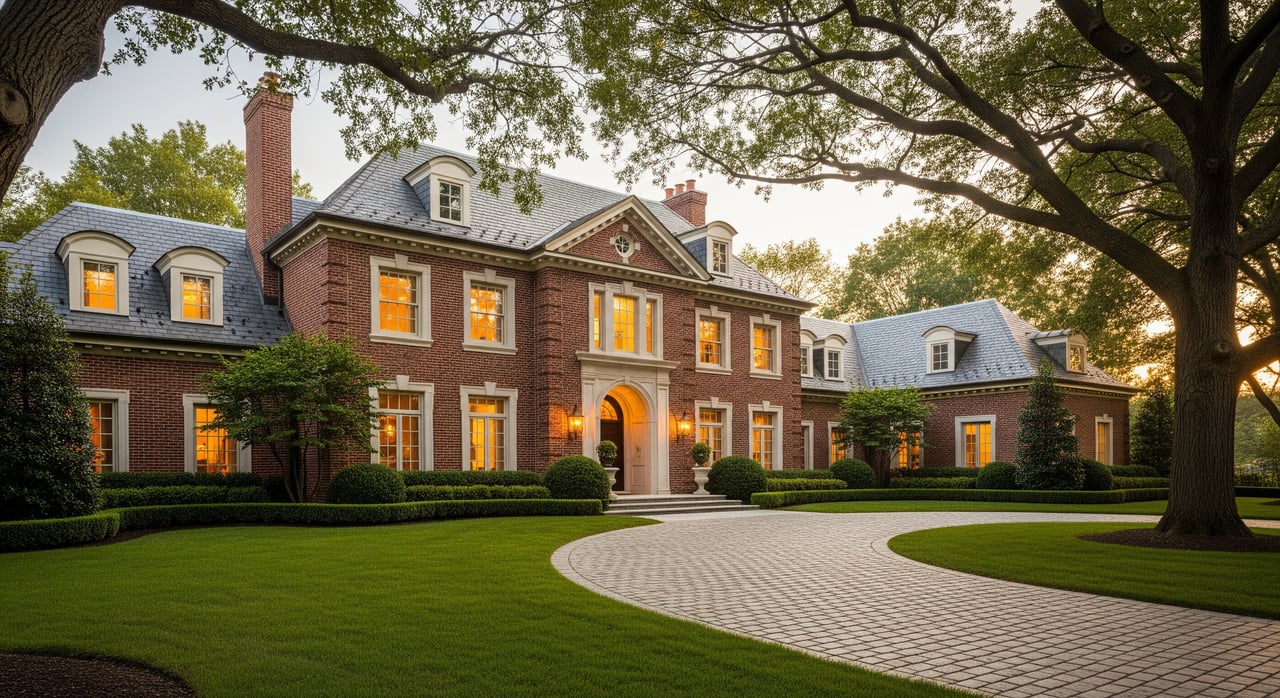
Clarendon Hills is an “inner-ring” suburb with a compact downtown near the Metra station, tree-lined streets, and a mix of pre- and post-war single-family homes. You’ll also find newer rebuilds on established blocks. The town’s owner-occupied rate is about 84%, which often translates to a stable, well-tended streetscape. Many lots are modest in size compared to outer-ring suburbs, but you gain private outdoor space, a garage, and the freedom to garden, grill, and host outside. See the local housing profile in Census QuickFacts.
Price bands to expect
While individual properties vary, recent sales patterns commonly show:
- Entry or smaller single-family homes, often older or needing updates, in the low-to-mid $500k range.
- Move-in-ready 3–4 bedroom homes typically in the $600k to $900k range, depending on lot size and finishes.
- Larger, newly rebuilt, or premium-location homes near downtown or near the Hinsdale border at $1M+.
Use these as broad guideposts and always verify with current market data when you’re actively shopping.
Monthly carrying costs and taxes
QuickFacts reports a median monthly owner cost with a mortgage of $3,379, which can help you frame carrying costs when comparing a city condo to a single-family home here. In addition to your mortgage and insurance, budget for higher utilities, lawn care, snow removal, and seasonal maintenance. Property taxes vary by parcel and overlapping taxing districts, with school districts being a major component. To estimate a home’s tax bill and history, use the county’s search tool at DuPage County.
Lifestyle: day-to-day differences you’ll notice
Downtown and walkability
Clarendon Hills has a compact, walkable downtown clustered around the Metra station, with local shops and eateries within a short stroll of many blocks. The village maintains resources and updates for residents and visitors on the Village of Clarendon Hills website. If you enjoy errands on foot and a small-town main street feel, this layout will feel familiar and convenient.
Community calendar and events
Expect a busy calendar of seasonal events, farmers markets, and family programming. Summer brings pool season and camps through the park district, and village or chamber events add weekend variety. To see what’s coming up, browse the Clarendon Hills Chamber of Commerce and the Park District program pages.
From condo living to homeownership
Owning a house shifts a few day-to-day responsibilities to you. Plan for lawn care, snow shoveling or plowing, gutter cleaning, and occasional exterior repairs. Many families find the tradeoff worth it for private outdoor space, storage, and the flexibility to tailor a home to your lifestyle.
Try the move on for size
Before you write an offer, give yourself a weekend to test your patterns:
- Commute trial: Take a weekday morning train and the evening return using the BNSF timetable to match your schedule.
- School check: Confirm address-level assignments through D181 and District 86, and plan a school tour when possible.
- Parking dry run: Practice your morning routine from a prospective home to the station. Review permits and daily options on the Village site.
- Evening vibe: Walk downtown after work, grab dinner, and see how the area feels at the times you’ll be out and about.
Pre-move checklist
- Verify assigned schools for your exact address with D181 and District 86; call registrars to confirm.
- Test your commute at the times you’ll actually travel. Use the BNSF Line timetable for train options.
- Review station parking rules and permit availability on the Village of Clarendon Hills website.
- Run property tax lookups at DuPage County to estimate annual taxes for any home you’re considering.
- Budget for utilities, lawn and snow care, and routine maintenance. Use the $3,379 median monthly owner cost from Census QuickFacts as a framing point.
- Confirm utility and broadband providers for the address. QuickFacts indicates high broadband subscription locally; still check plan speeds at the property.
- Track community rhythm via the Village, Park District, and Chamber calendars.
Ready to explore Clarendon Hills?
If you want single-family living with a predictable train ride to the city, Clarendon Hills is worth a close look. You’ll gain a quieter pace, a connected downtown, and a strong menu of school and park-district programs, all within a practical commute radius. To align options with your commute, school needs, and budget, schedule a private consultation with Ginny Stewart. We’ll help you compare blocks, preview on- and off-market opportunities, and make a confident, well-timed move.
FAQs
How long is the train ride from Clarendon Hills to downtown Chicago?
- The Metra BNSF ride to Union Station typically runs about 20 to 35 minutes depending on your train; check the BNSF timetable and add first/last-mile time for your total commute.
Which public schools serve Clarendon Hills addresses?
- Most K–8 addresses are in D181 and most high school addresses are in District 86; verify the assigned schools for your exact property with D181 and District 86.
What are typical home prices in Clarendon Hills?
- Entry single-family homes often start in the low-to-mid $500k range, many 3–4 bedroom homes run $600k to $900k, and larger or newly rebuilt homes in premium locations are commonly $1M+.
How can I estimate property taxes on a specific home?
- Use the parcel search at DuPage County to view address-level tax history and levies; taxes vary by property and overlapping taxing districts.
Is Clarendon Hills walkable, and what local activities are popular?
- The downtown is compact and walkable to shops and the Metra station, and the village hosts year-round events; check the Chamber and Park District for current programs and festivals.