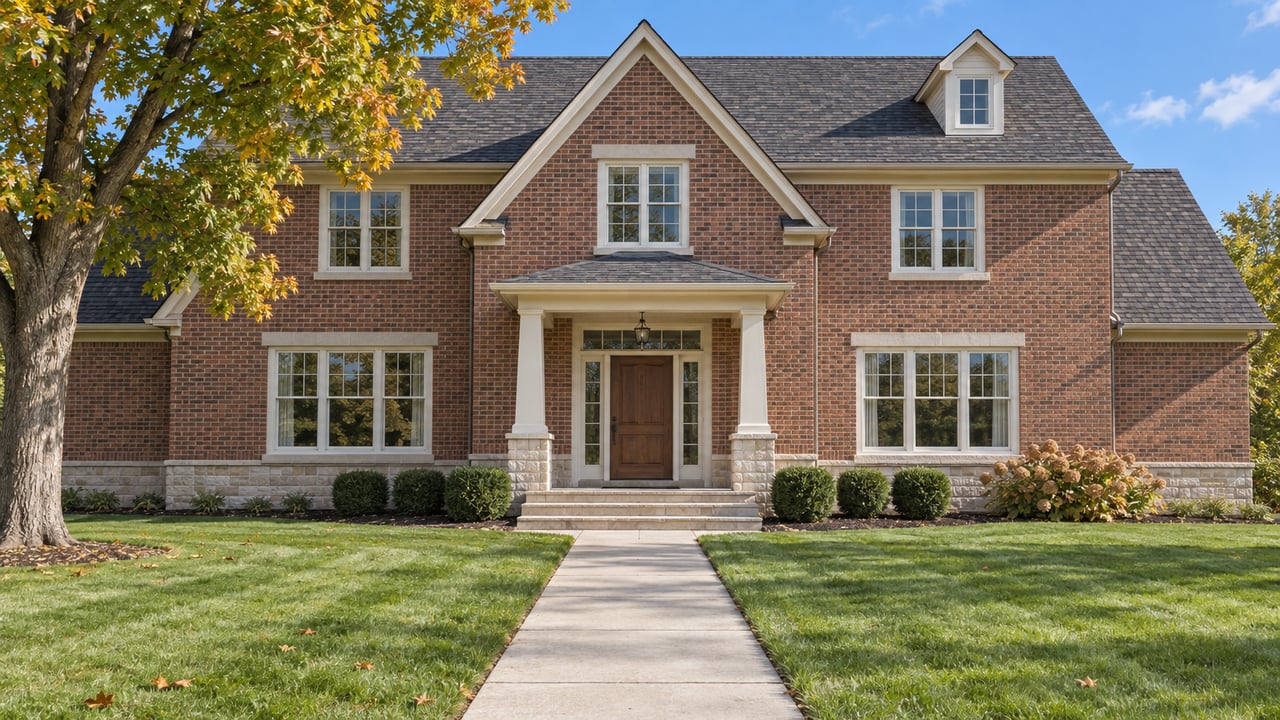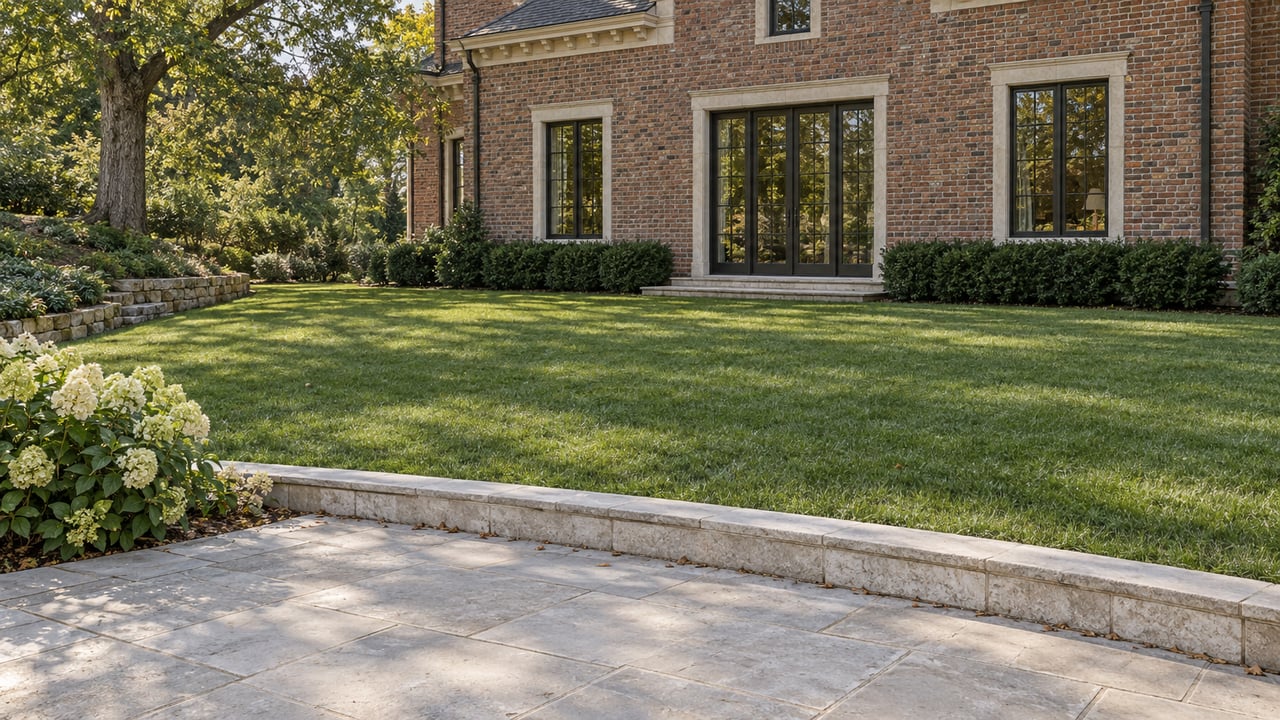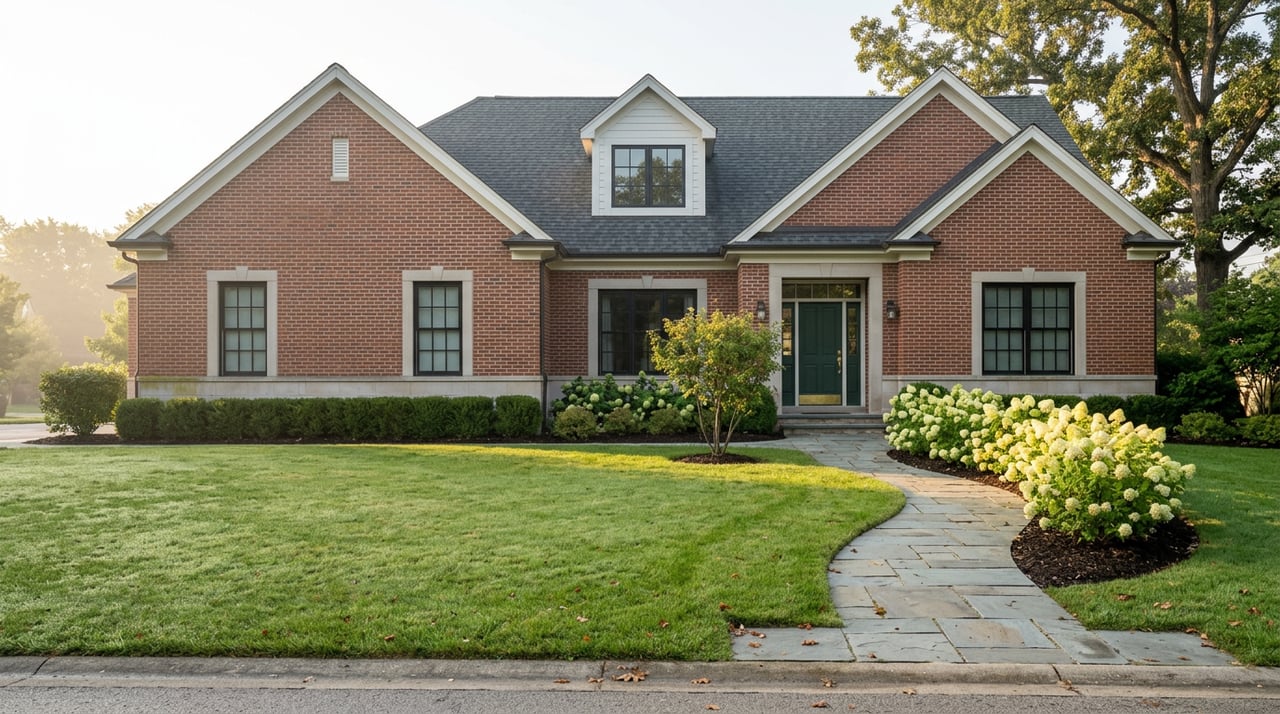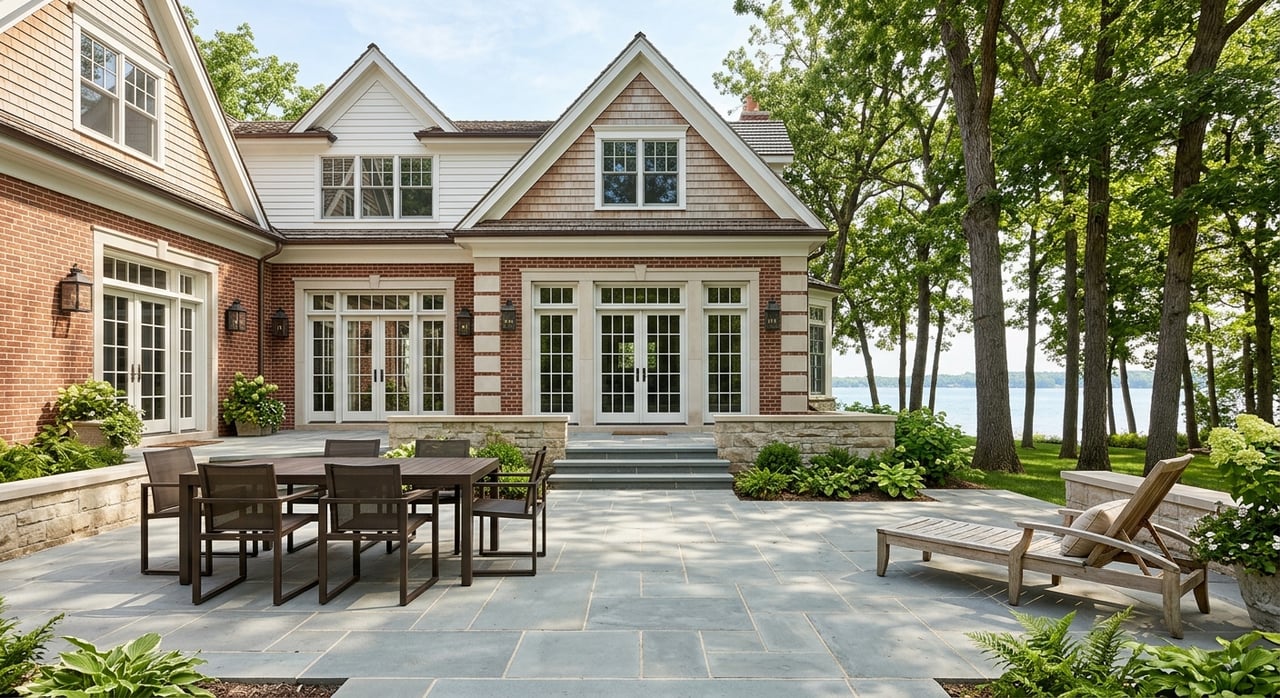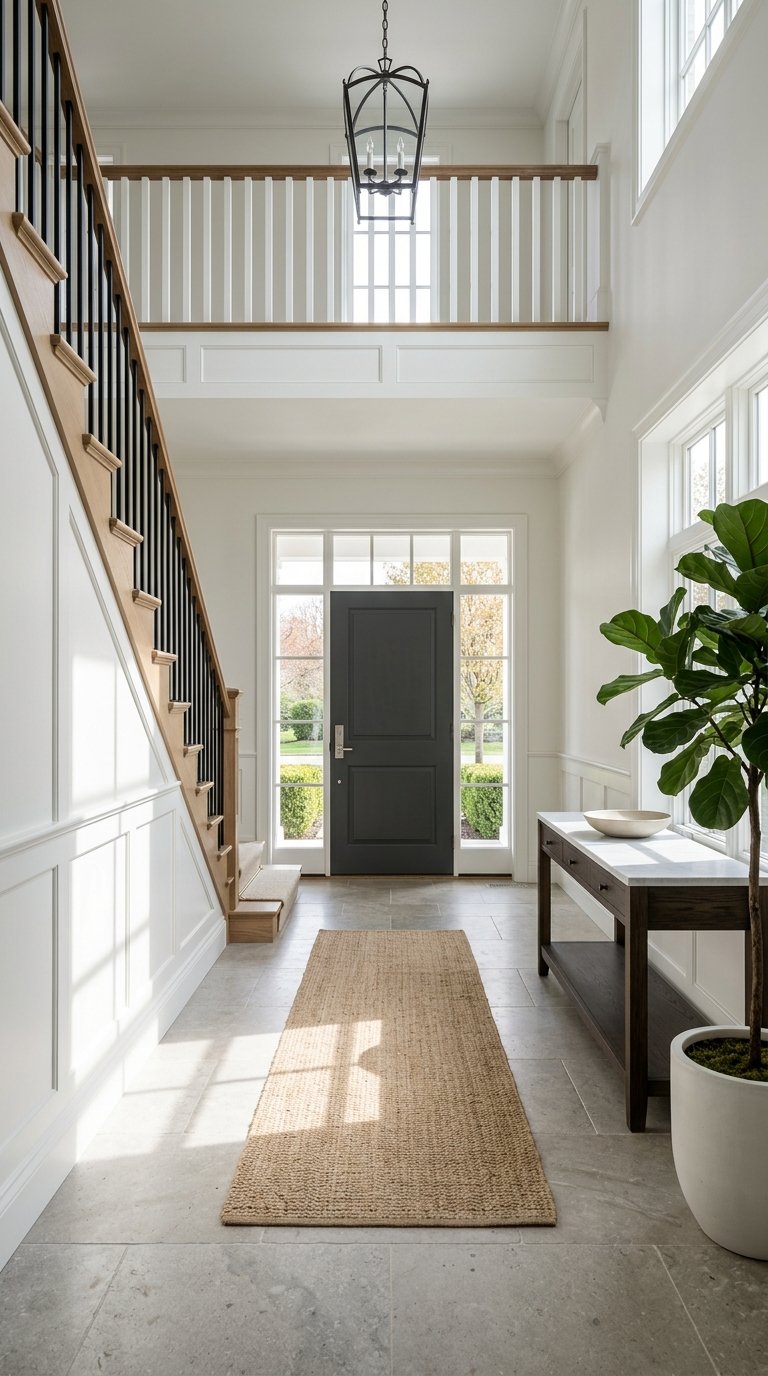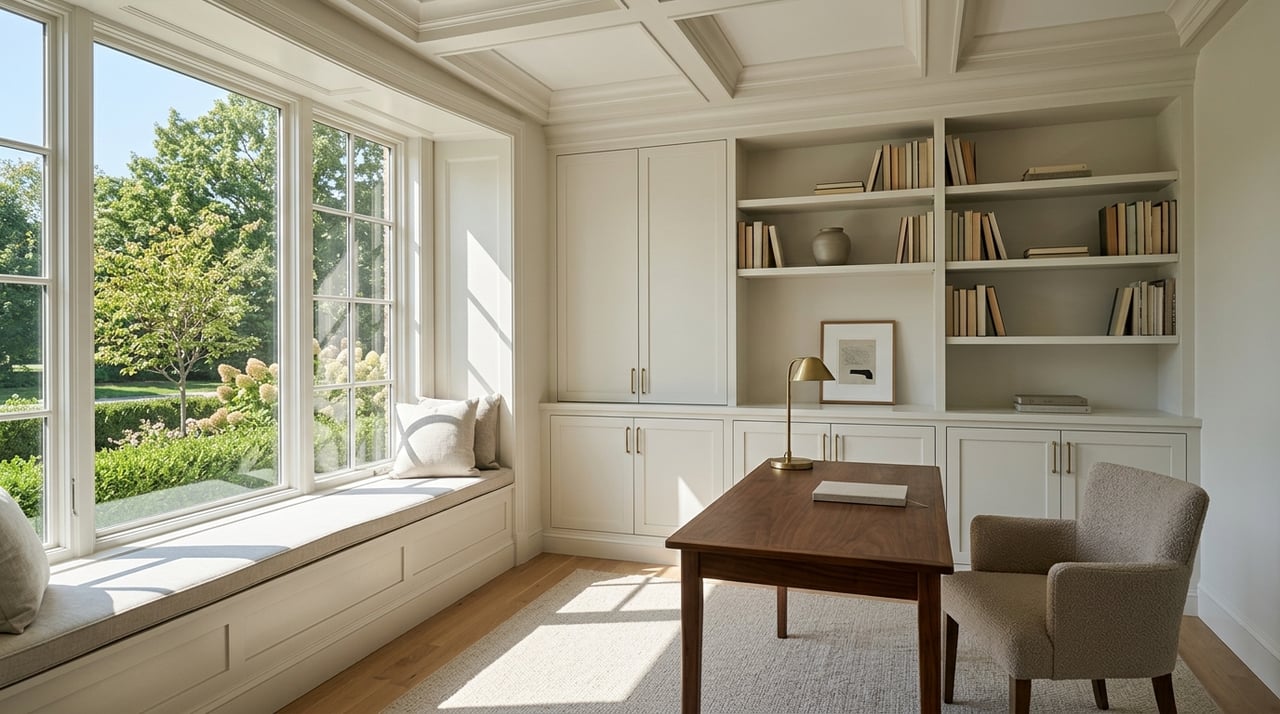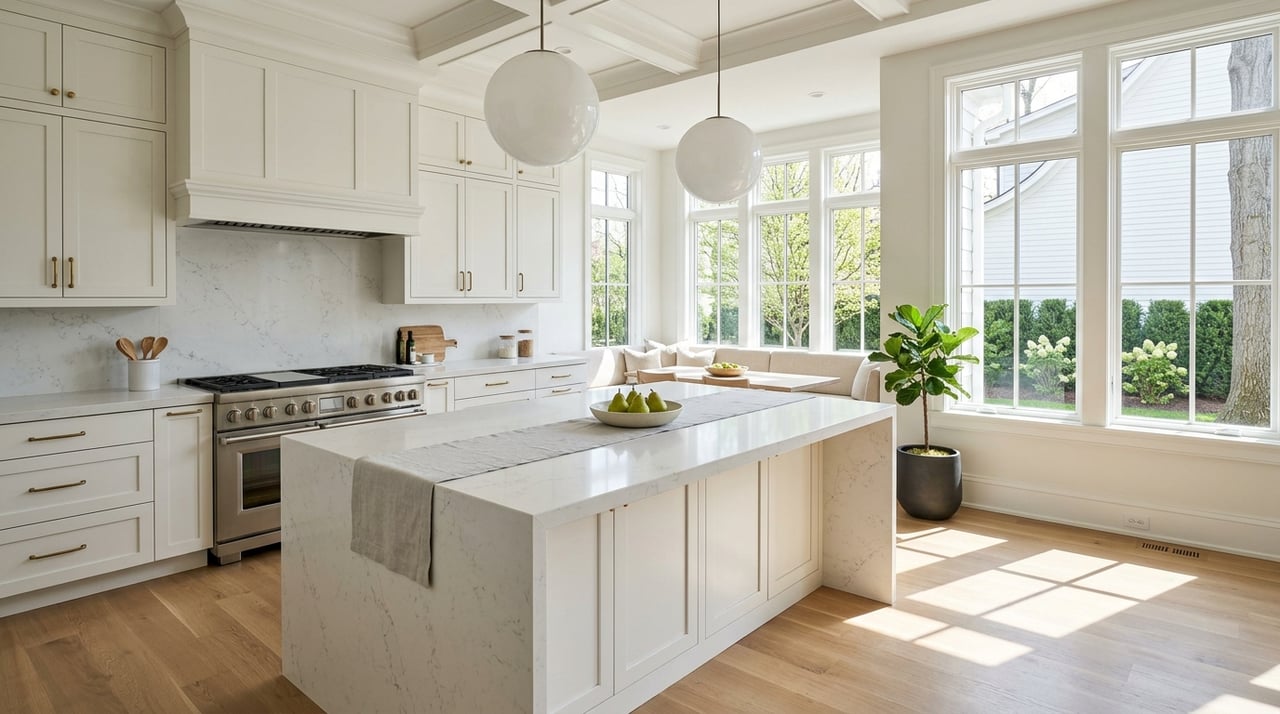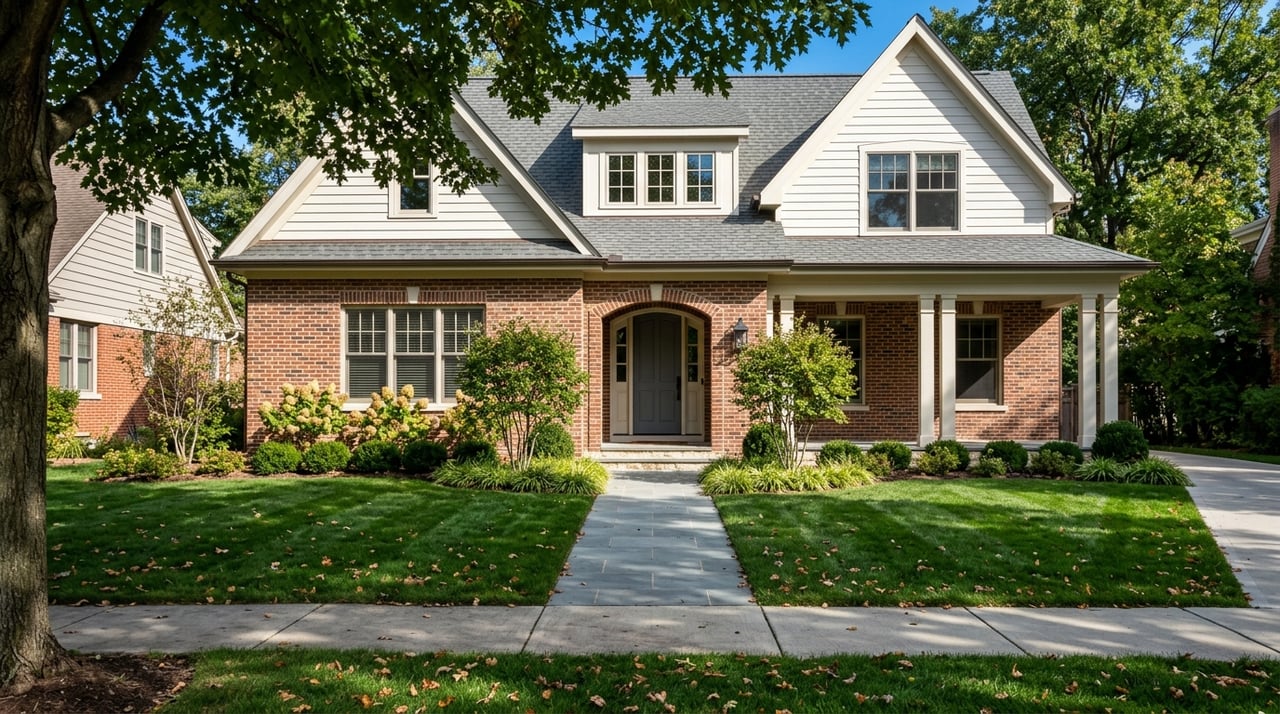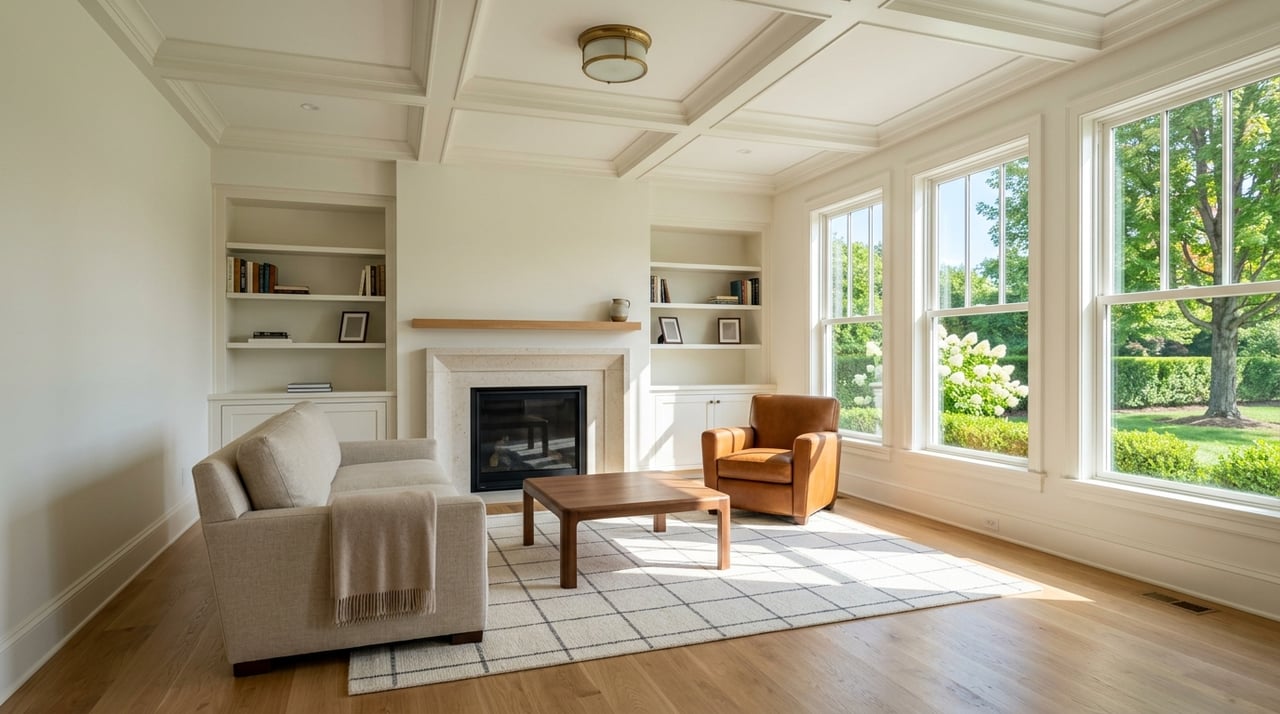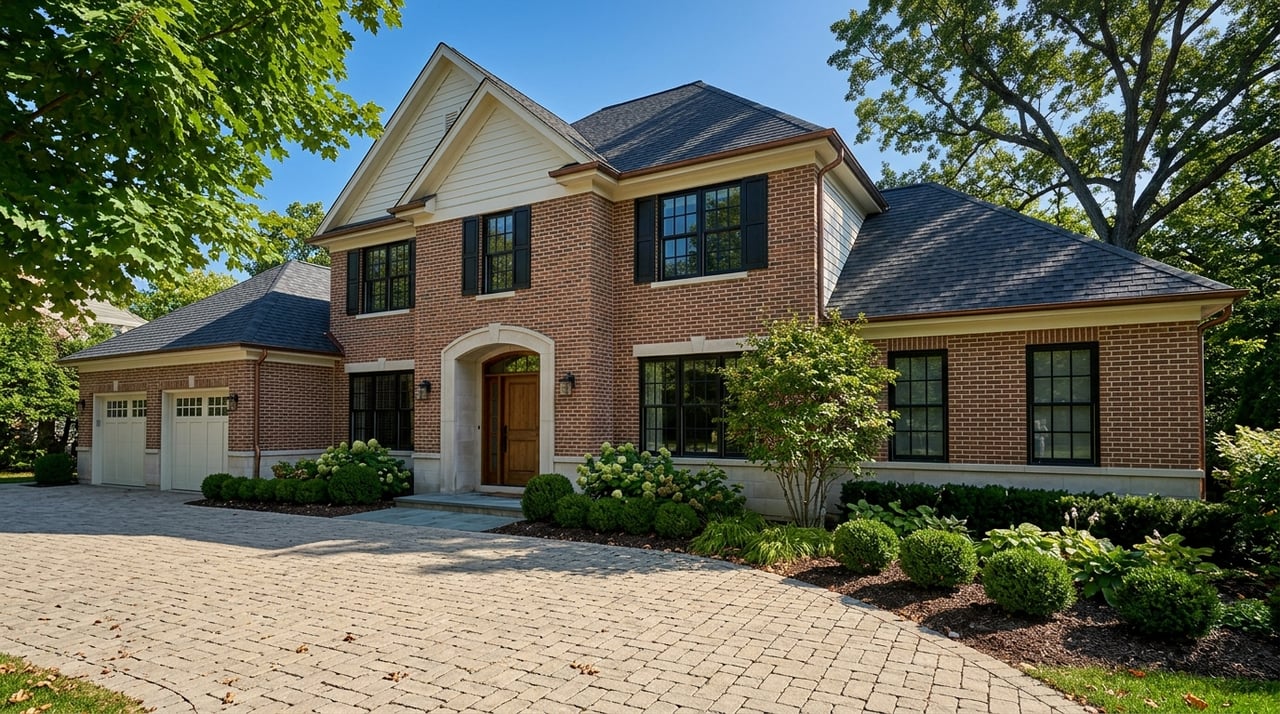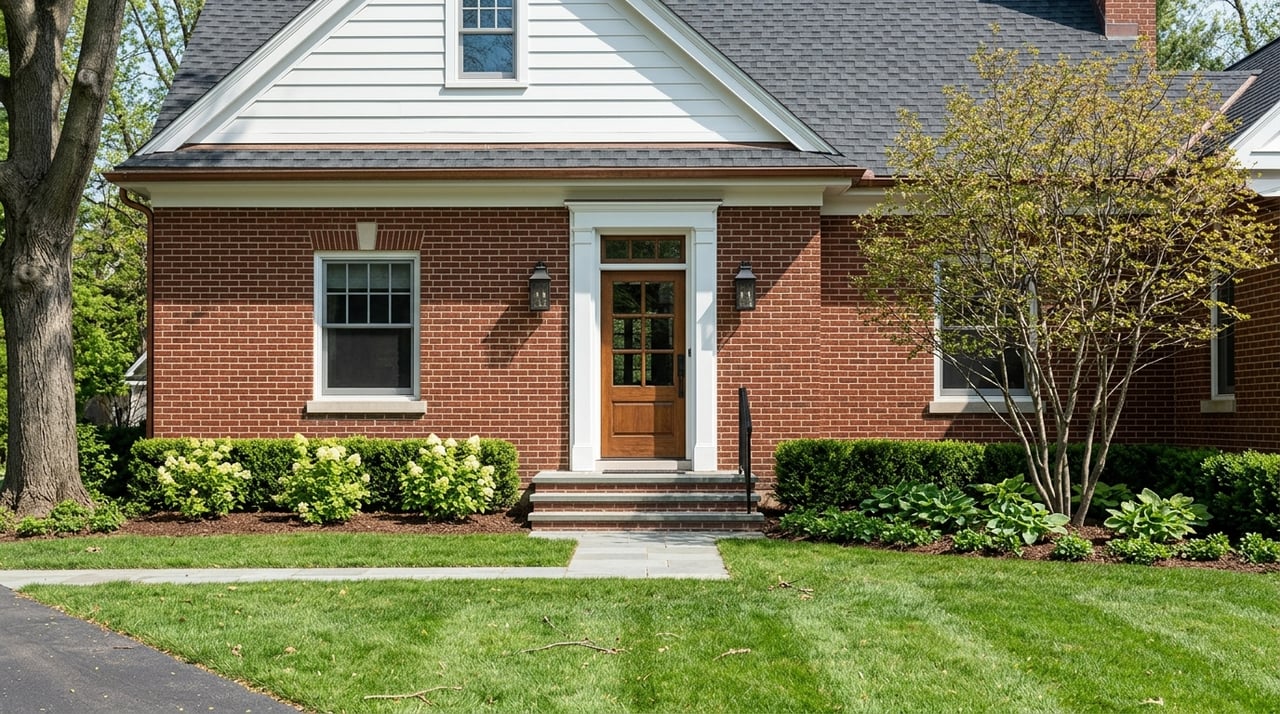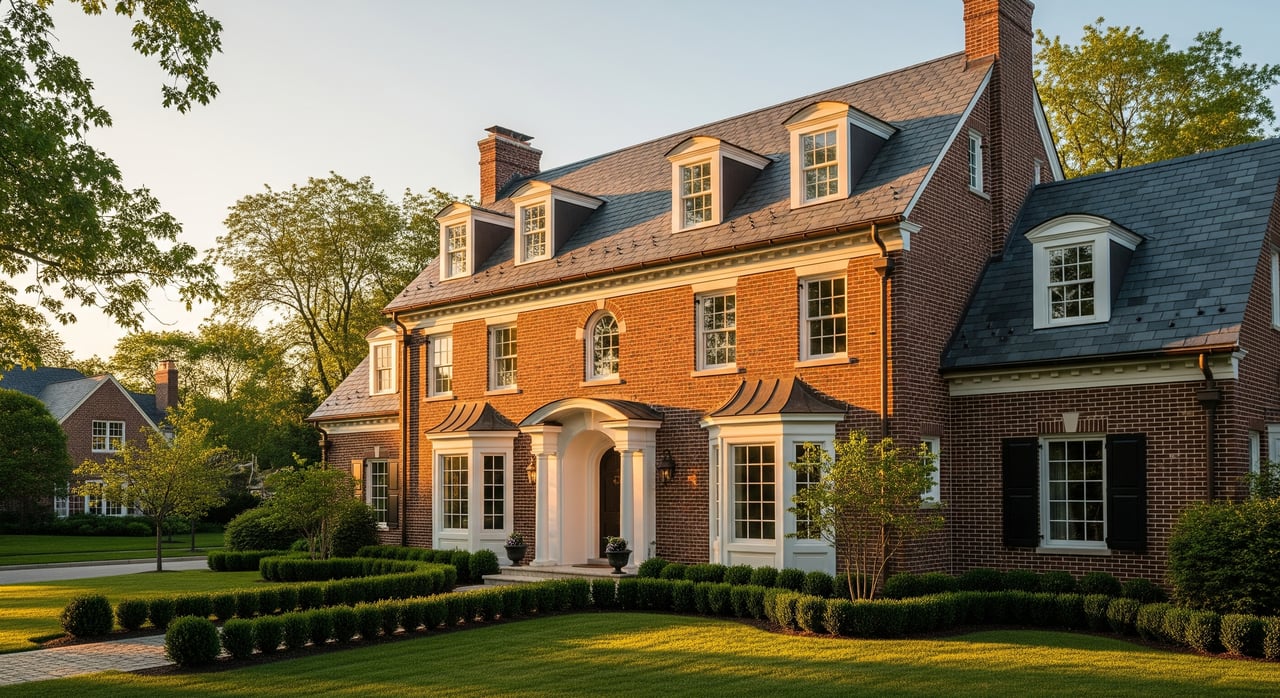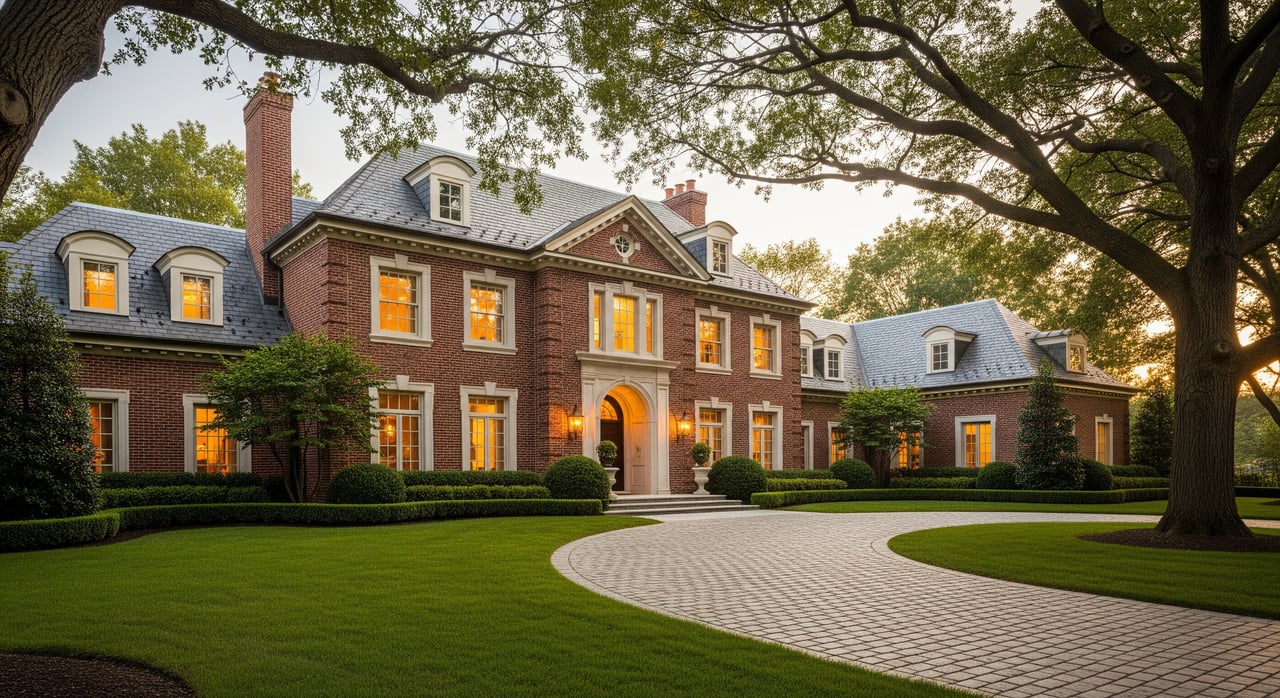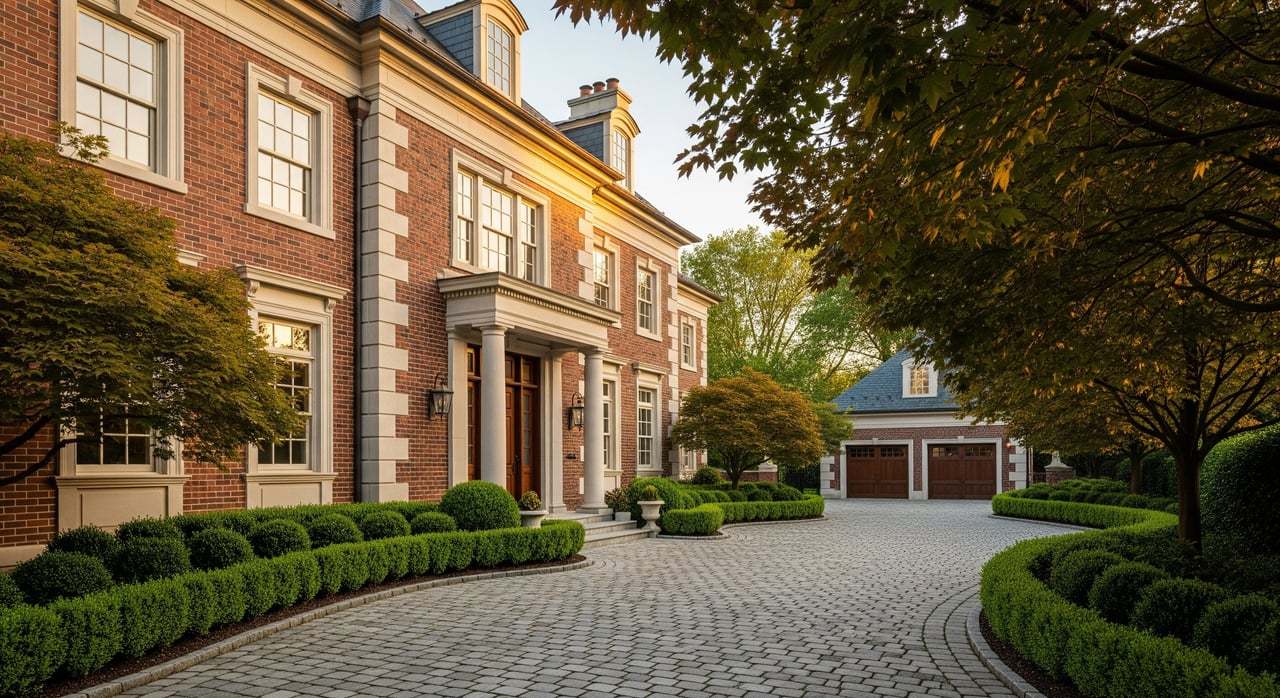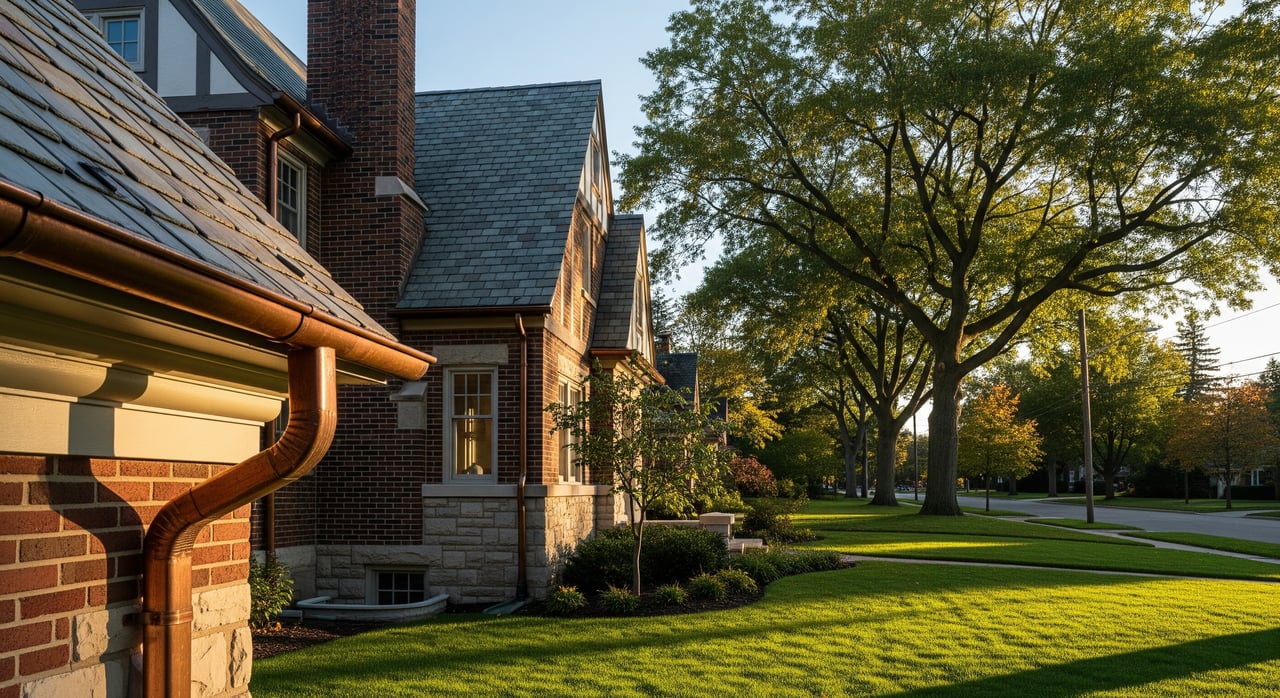
If you are weighing new construction versus vintage charm in Downers Grove, you are not alone. This is a village where both styles have a real presence, and each can offer a very different ownership experience. The good news is that once you understand the housing mix, local review rules, and day-to-day cost factors, your decision gets much clearer. Let’s dive in.
Why this choice matters in Downers Grove
Downers Grove has a broad housing mix, which is part of what makes the decision so personal. According to the CMAP local housing profile, the median year built is 1974, about 63.9% of homes were built in 1979 or earlier, and only 14.9% were built in 2000 or later. That means vintage homes make up a large share of the market, while newer infill and replacement homes still play an important role.
This is also a competitive suburban market. Current snapshots show a median listing price around $470,000, a median sale price of $472,500, and a Zillow home value index of $500,013. While those are different measures, together they suggest you are shopping in a solid mid-to-upper price range where condition, style, and fit can shape value.
Village planning supports both preservation and thoughtful new development. Downers Grove has stated goals around preserving historic buildings and neighborhoods while also encouraging infill development and residential new construction that complements established character and scale. In simple terms, this is a market where old and new are both meant to work.
What vintage charm can offer
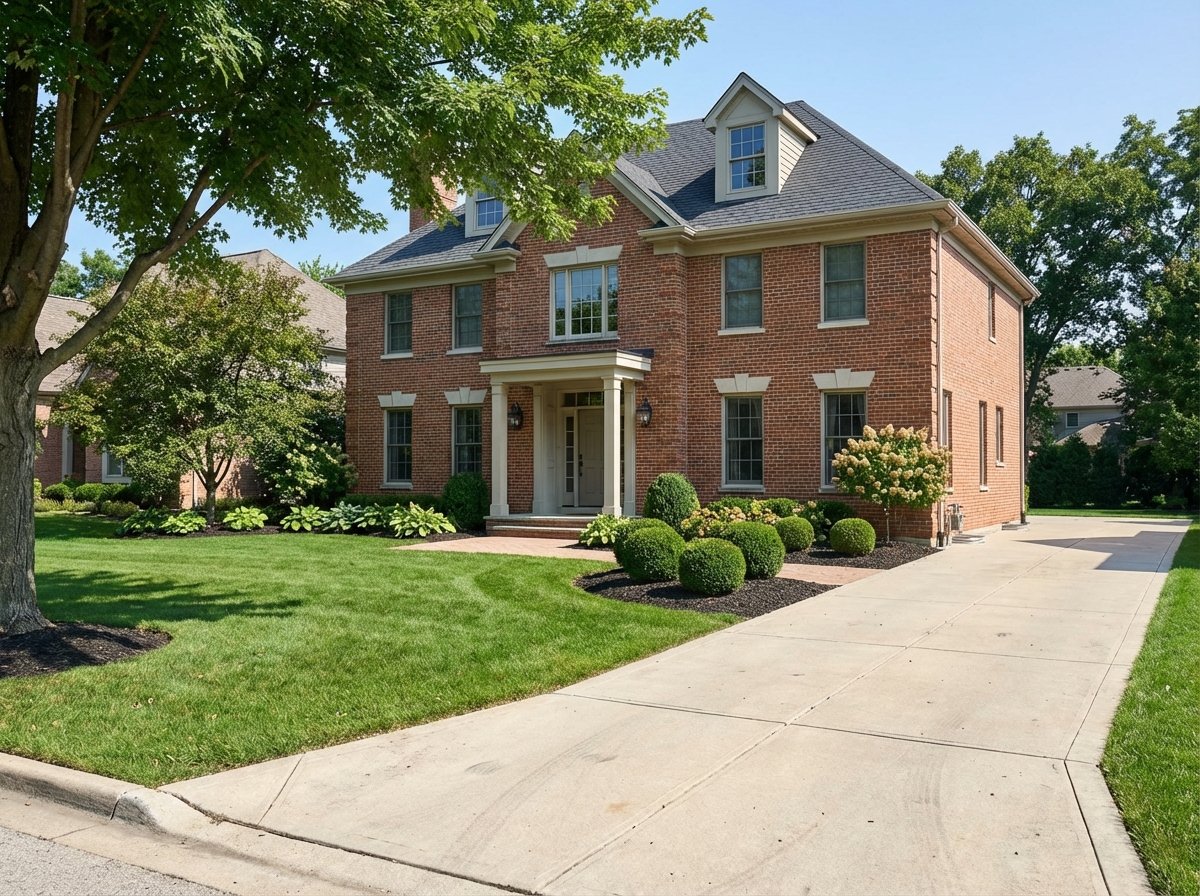
If you are drawn to older homes, Downers Grove gives you plenty to explore. The Village’s historic preservation resources reference long-running surveys and preservation planning, including a 2013 survey of 865 properties in areas such as Denburn Woods, Shady Lane Estates, the E.H. Prince Subdivision, and the Maple Avenue/Main Street corridor. That tells you older, architecturally distinct homes remain central to the village’s identity.
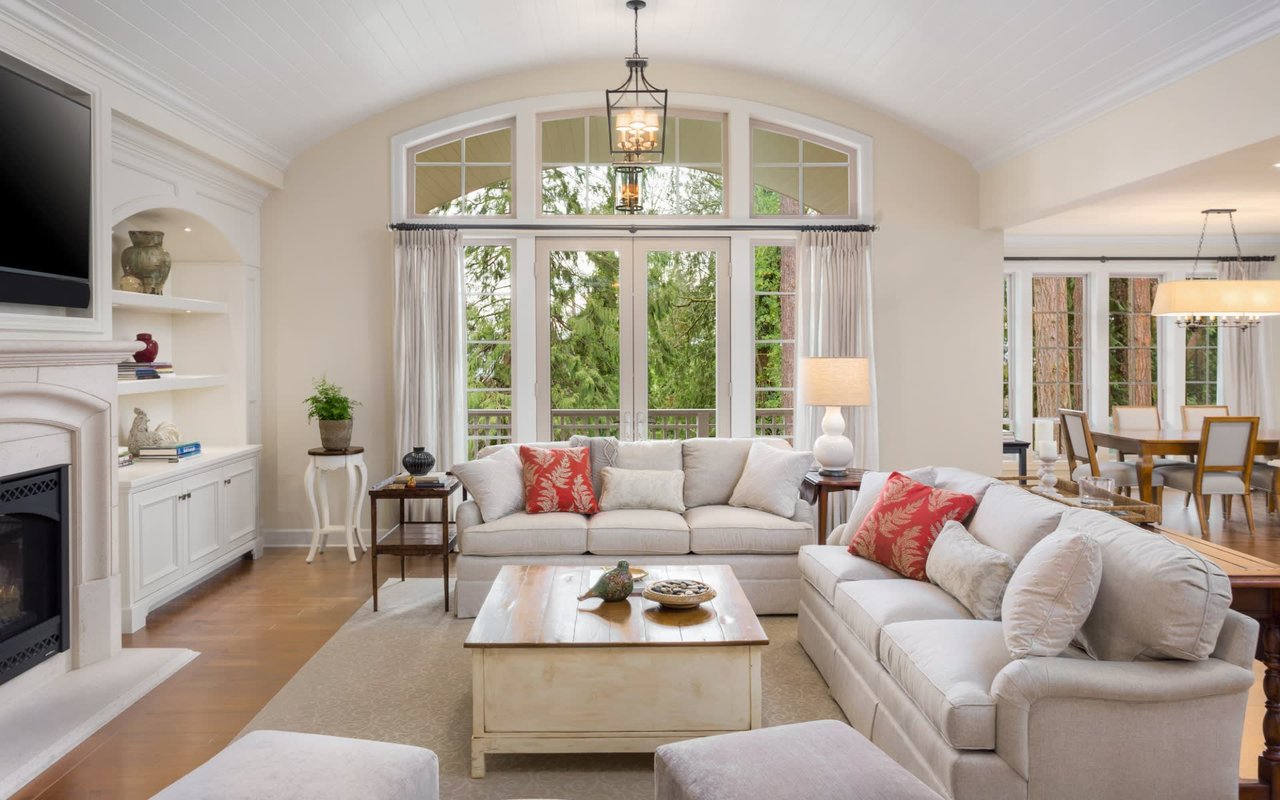
For many buyers, the appeal is easy to understand. Older homes can offer original details, established streetscapes, and a sense of character that is hard to duplicate. If you value mature neighborhood patterns and homes with a story, vintage properties may feel especially compelling.
That said, vintage charm often comes with more questions to answer before you buy. Older homes may have aging systems, less insulation, and windows that do not perform as efficiently as those in newer construction. The Department of Energy notes that many older homes have less insulation than homes built today, and that window heat gain and heat loss can account for 25% to 30% of residential heating and cooling energy use.
Historic status can change the equation
One of the most important steps is confirming what kind of historic status, if any, a property has. In Downers Grove, a home may simply be older and recognized for its history, or it may be formally landmarked or located in a historic district. Those are very different situations.
The Village notes that a historic district can help preserve collections of older homes and may support property values where homes retain original architectural characteristics. A landmark can also bring recognition, protection, and possible state tax benefits. For the right buyer, that can add meaning and long-term appeal.
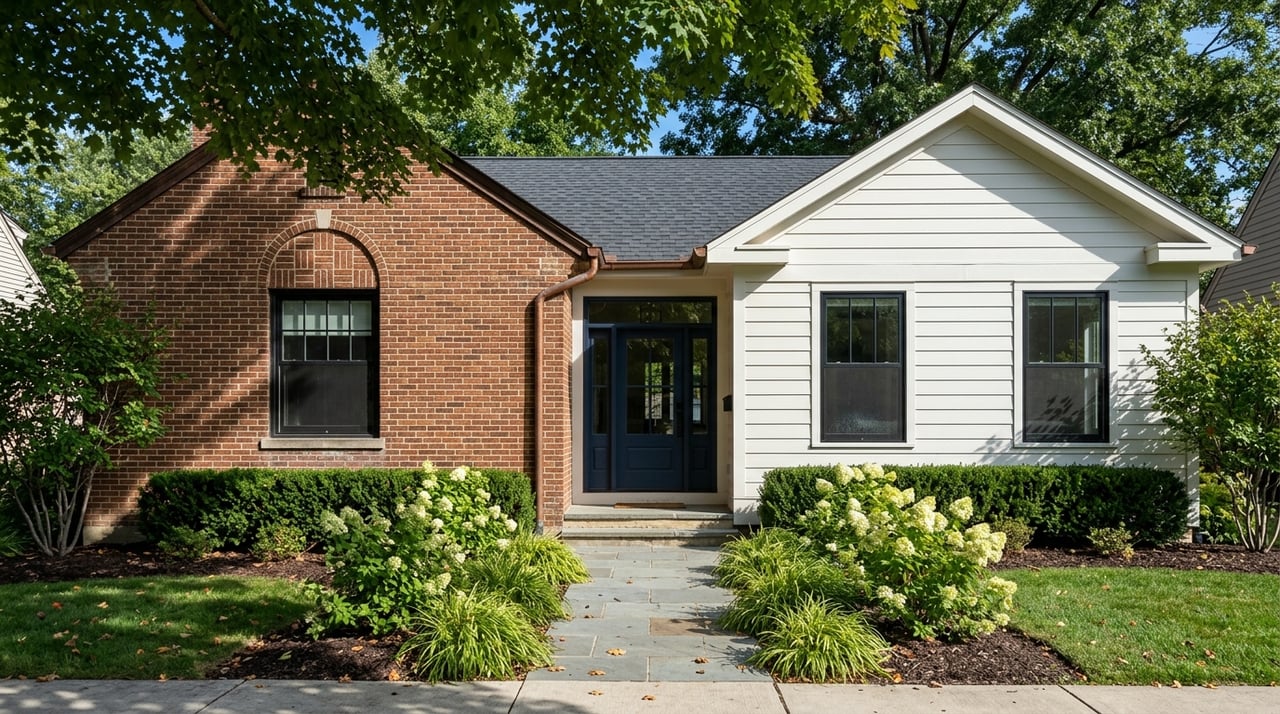
The tradeoff is added review for certain exterior changes. If a home is a landmark or in a historic district, projects such as front facade window or door replacement, demolition, street-visible additions, attached garages, and roof changes that alter height or pitch require historic review. If you want flexibility to make visible exterior changes quickly, this is something to understand upfront.
Not every older home comes with those rules. The Downers Grove Historical Society’s Historic Home Program is honorary and separate from village landmarking. It does not limit exterior changes or provide tax incentives, and it was expanded to include homes over 50 years old, which helps explain why many 1960s and 1970s homes may have recognized character without formal regulation.
What new construction can offer
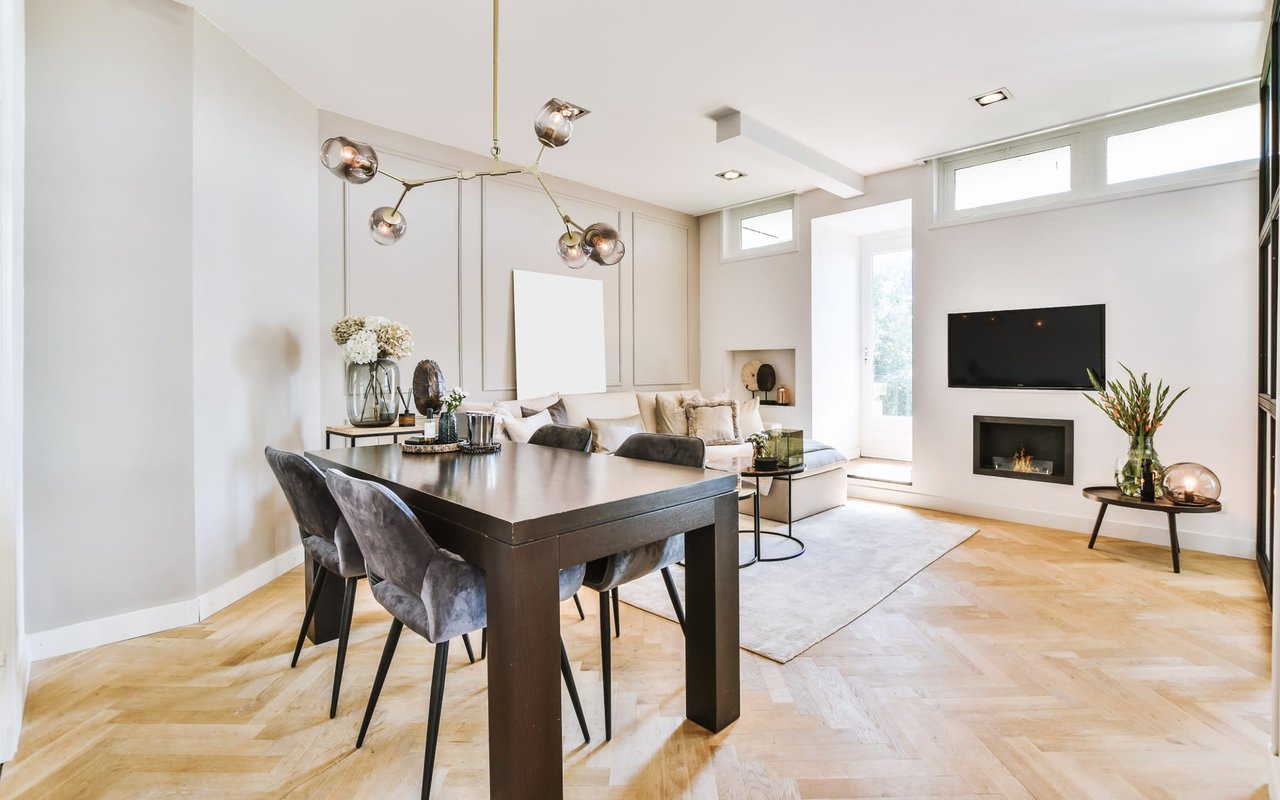
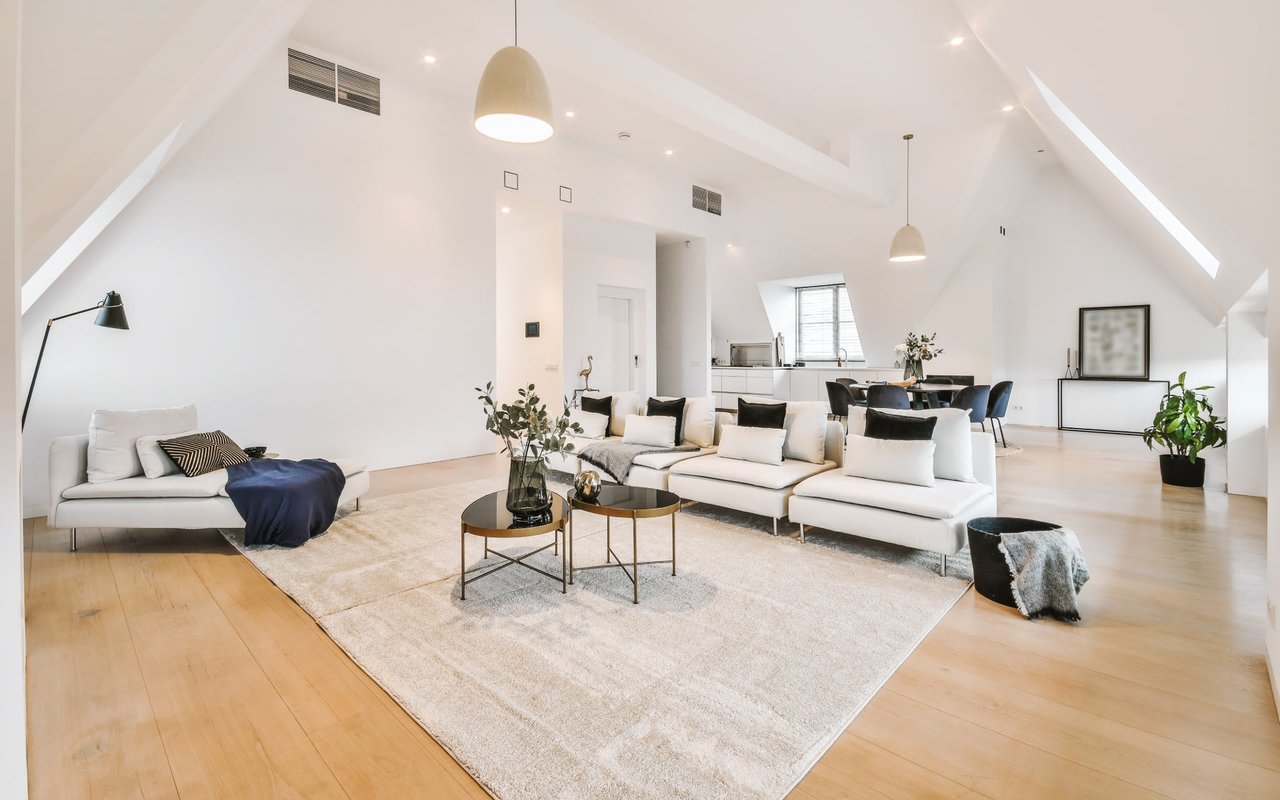
If your priority is convenience, performance, and a more turnkey start, new construction may be the better fit. New homes typically offer modern layouts, current materials, and fewer immediate repair projects. For many buyers, that means less uncertainty in the first few years of ownership.
Energy performance is one of the clearest advantages. The Department of Energy says it is more cost-effective to install insulation during construction than to retrofit it later, and energy-efficient new homes often exceed minimum code requirements. DOE also notes that virtually all new efficient buildings use double- or triple-glazed windows, along with improved frame choices and air sealing.
In practical terms, that can mean better comfort and fewer near-term upgrade decisions. If you prefer a home that feels move-in ready from day one, new construction can offer a cleaner path. It may also be appealing if you want a more modern floor plan or a home built around current expectations for efficiency.
New construction in Downers Grove is limited but active
New construction is not the dominant share of the Downers Grove market, but it is very much present. Realtor.com shows 28 new-construction homes for sale in Downers Grove, with a median listing price of $469,945. At the same time, individual custom builds on that page range roughly from $1.25 million to $1.8 million, showing that the segment can stretch from upper-midrange into luxury depending on the lot, builder, and finish level.
That range matters if you are comparing a new build to an older home on a larger lot or in a more established setting. The right comparison is not always simple because you may be choosing between very different ownership experiences. A newer home may offer less immediate maintenance, while an older home may offer a setting or architectural style you cannot easily recreate.
Even a brand-new home still goes through local review. The Village’s Building Division reviews permit documents to confirm that new buildings and structural modifications meet construction safety standards. If you are considering a custom or semi-custom property, it helps to understand that local processing remains part of the timeline.
Compare total cost, not just price
No matter which direction you lean, look beyond the list price. The CMAP profile shows median monthly owner costs of $2,586 for mortgaged owner-occupied households in Downers Grove, and that figure includes property taxes, insurance, utilities, mortgage, and HOA costs. That makes total carrying cost a key part of the decision.
With a vintage home, your monthly budget may need to leave room for updates, efficiency improvements, or ongoing maintenance. If windows are sound but not ideal, the Department of Energy says options such as caulking, weatherstripping, storm windows, and window coverings can sometimes serve as cost-effective intermediate steps before full replacement. That can help you phase improvements rather than tackle everything at once.
With new construction, your upfront price may be higher, especially for custom inventory, but your early repair and energy costs may be lower. The best fit often depends on whether you would rather invest upfront for newer systems or buy into character and update over time. Neither path is automatically better. It depends on your priorities.
Tax and resale considerations
For some buyers of qualifying historic properties, Illinois offers a possible financial benefit. The state’s Property Tax Assessment Freeze applies to owner-occupied principal residences after approved substantial and sensitive rehabilitation. The assessed value can be frozen for eight years, followed by a four-year step-up, though normal tax-rate changes still apply.
This is not a universal benefit for every older home, and it only applies after approved rehab work on qualifying properties. Still, if you are considering a historically significant home that needs major work, it may be worth understanding whether the property could fit that program.
On resale, the local market suggests that quality and condition matter as much as age. Redfin reports that homes receive about four offers on average and sell in around 53 days. In a market like this, a well-maintained vintage home and a thoughtfully built newer home can both perform well when they fit the block and show clear evidence of care.
How to choose the right fit
The easiest way to decide is to focus on how you want to live, not just what style looks best in photos. A home with character can be deeply rewarding, but it may ask more of you over time. A newer home can simplify ownership, but it may not deliver the same architectural personality or established setting.
As you compare options in Downers Grove, keep these questions in mind:
- Do you value original details and established streetscapes more than turnkey convenience?
- Are you comfortable budgeting for future updates or energy improvements?
- Do you want flexibility for exterior changes, or are you open to historic review if needed?
- Is your priority modern performance and fewer immediate projects?
- Are you comparing purchase price alone, or full monthly carrying cost?
In Downers Grove, this is rarely a simple old-versus-new debate. It is usually about matching your budget, timeline, and lifestyle to the right home on the right block. When you approach the decision that way, the best answer tends to stand out.
If you want expert guidance as you compare newer builds, established homes, or discreet opportunities in the western suburbs, Ginny Stewart offers the kind of tailored, concierge-level insight that can make the process feel far more manageable.
FAQs
Should you buy a vintage home in Downers Grove?
- A vintage home may be a strong fit if you value original details, mature streetscapes, and architectural character, and you are comfortable planning for maintenance or future updates.
Should you buy new construction in Downers Grove?
- New construction may be the better choice if you want modern energy performance, fewer immediate repairs, and a more turnkey ownership experience.
Are all older homes in Downers Grove historically regulated?
- No. Some older homes may be recognized for their history without formal restrictions, while landmarked homes or homes in a historic district may require review for certain exterior changes.
Is new construction common in Downers Grove?
- New construction is active but limited compared with the village’s older housing stock, which is why newer homes can range from upper-midrange options to luxury custom builds.
What should Downers Grove buyers compare besides price?
- You should compare total carrying cost, including taxes, insurance, utilities, mortgage costs, HOA costs if applicable, and the likely maintenance or upgrade needs of the home.
Do older Downers Grove homes always need full window replacement?
- Not always. If existing windows are still sound, intermediate improvements such as caulking, weatherstripping, storm windows, and window coverings may help before full replacement is needed.