If you picture lakefront living in Wilmette as a row of private shoreline estates, you may be surprised by what it actually feels like day to day. In Wilmette, the lakefront is shaped as much by public access, seasonal routines, and community amenities as it is by water views. If you are wondering whether this lifestyle fits your weekends, commute, and housing goals, this guide will help you see it more clearly. Let’s dive in.
Wilmette Lakefront Living Is Public and Active
Wilmette’s lakefront lifestyle centers on shared public amenities, not a private waterfront enclave. The Village describes Wilmette as stretching about five miles west of Lake Michigan, with 63 acres of lakefront parks. Gillson Park alone spans 60 acres, making it the clear anchor of the local shoreline experience.
That matters because living near the lake here often means living near a well-used, well-loved public park system. Gillson Park includes two swimming beaches, a sailing beach, a dog beach, picnic areas, tennis courts, a fitness course, and seasonal ice rink access. In practical terms, lakefront living in Wilmette often feels more like having a major recreational asset in your backyard than owning a quiet, isolated waterfront retreat.
Gillson Park Shapes Daily Life
For many buyers, Gillson Park is the heart of the lifestyle. It is not just a place you visit once in a while. It can become part of your weekly rhythm, whether that means early walks, beach afternoons, tennis, sailing, or meeting friends for a picnic.
The variety is part of the appeal. On the same shoreline, you can find swimmers, paddlers, dog owners, and families spending a full day outdoors. That blend gives the lakefront an energetic, community-centered feel.
Beach Access Has a Season
The beach experience in Wilmette is real, but it is also structured. Gillson’s swimming beaches operate from Memorial Day through Labor Day, from 10 a.m. to 8 p.m. The park itself is open daily from 6 a.m. to 10:30 p.m.
If you are thinking about convenience, this is one of the biggest realities to understand. Summer access comes with rules around hours, parking, and passes. That does not make the lakefront hard to enjoy, but it does mean the lifestyle works best when you are comfortable planning ahead.
Parking Is Part of the Tradeoff
During beach season, parking near Gillson and Langdon is restricted from Memorial Day through Labor Day. Main Beach parking requires either a lakefront sticker or a daily parking pass. Daily passes are sold on site, are limited in number, and are cashless.
For some buyers, this is a small detail. For others, it shapes how often they will realistically use the beach on a busy summer weekend. If lake access is a top priority, understanding these logistics upfront helps you choose the right location and set the right expectations.
The Water Lifestyle Is More Than Swimming
Wilmette’s lakefront is also closely tied to sailing and paddling. The Sailing Beach supports personally owned vessels ranging from stand-up paddleboards to catamarans. Access is limited to boat owners and their guests, but the Park District also offers weekend public rentals, sailing lessons, and trail-in permits for kayaks and stand-up paddleboards.
That creates a nice middle ground. You do not need to own a boat to enjoy the water-oriented side of Wilmette, but you do need to follow the local framework. The Park District states that only kayaks and stand-up paddleboards may be launched at Gillson Park, and motorized vessels or larger sailboats cannot be launched from Wilmette beaches.
A Full-Day Community Destination
One of the clearest signs of what lakefront living looks like here is how many different uses are packed into the shoreline. In addition to beaches and sailing infrastructure, Gillson includes a dog beach, volleyball courts, picnic areas, and concessions. That gives the lakefront a broad appeal across different ages and interests.
Instead of feeling single-purpose, the area functions more like an all-day community destination. You might head there for a morning walk, come back for a paddle session, or spend an afternoon outdoors without needing a formal plan. That flexibility is a major part of the draw.
Quiet Nature Still Has a Place
Not every part of the lakefront feels busy or beach-centric. Elmwood Dunes Preserve offers a quieter side of Wilmette’s shoreline. The Village describes it as Wilmette’s last natural bluff and dune ecosystem, with a focus on quiet recreation and education.
This contrast is important if you want variety. Some days may call for active recreation and social energy. Other days may be better suited to a calmer natural setting that feels more reflective and less programmed.
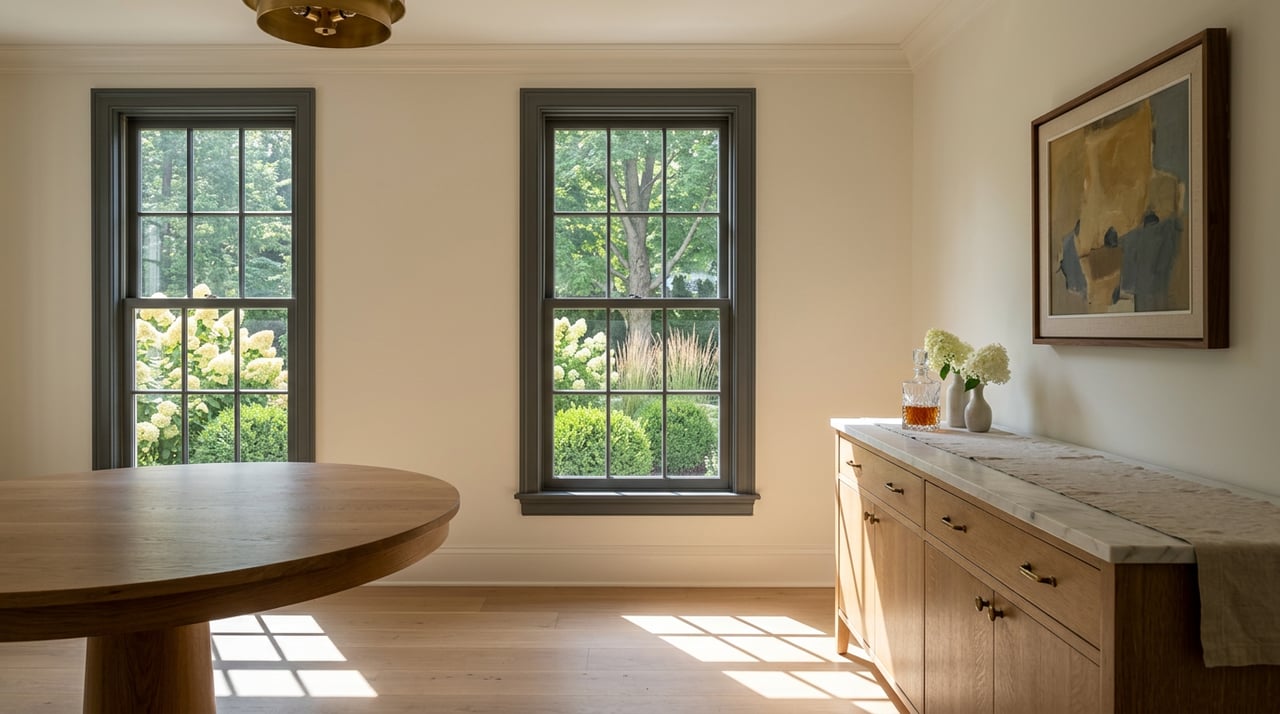
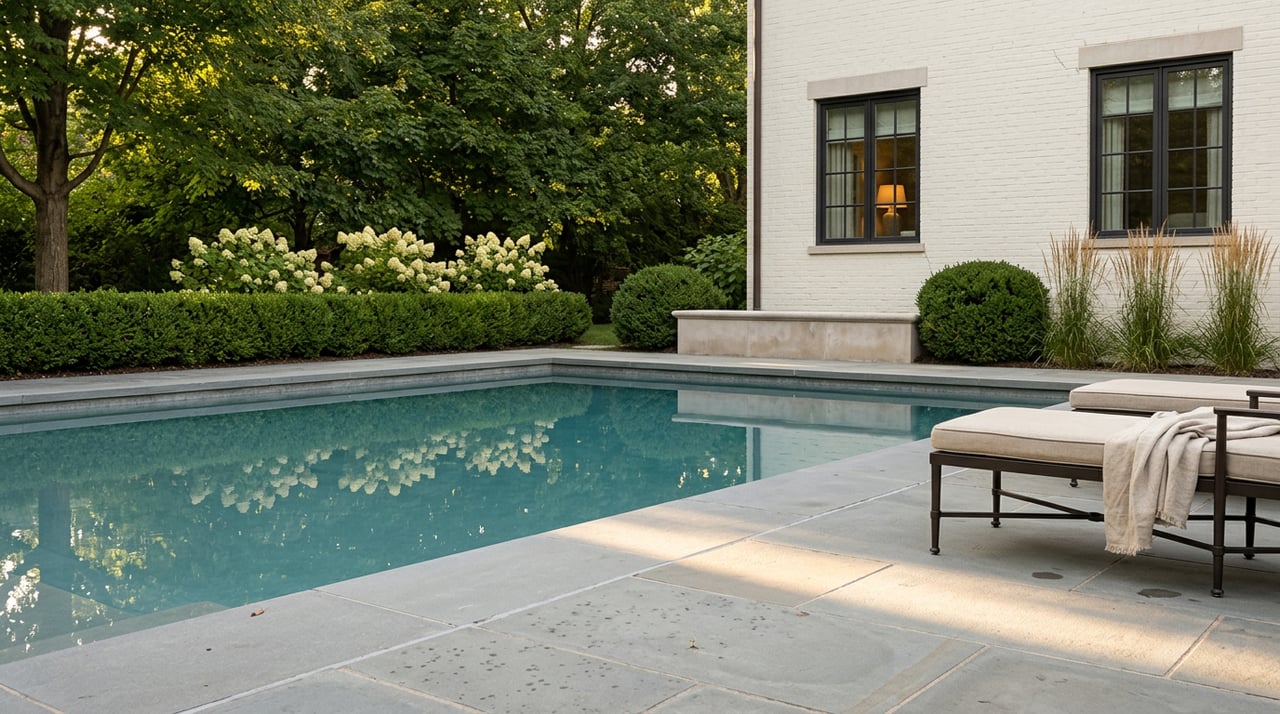
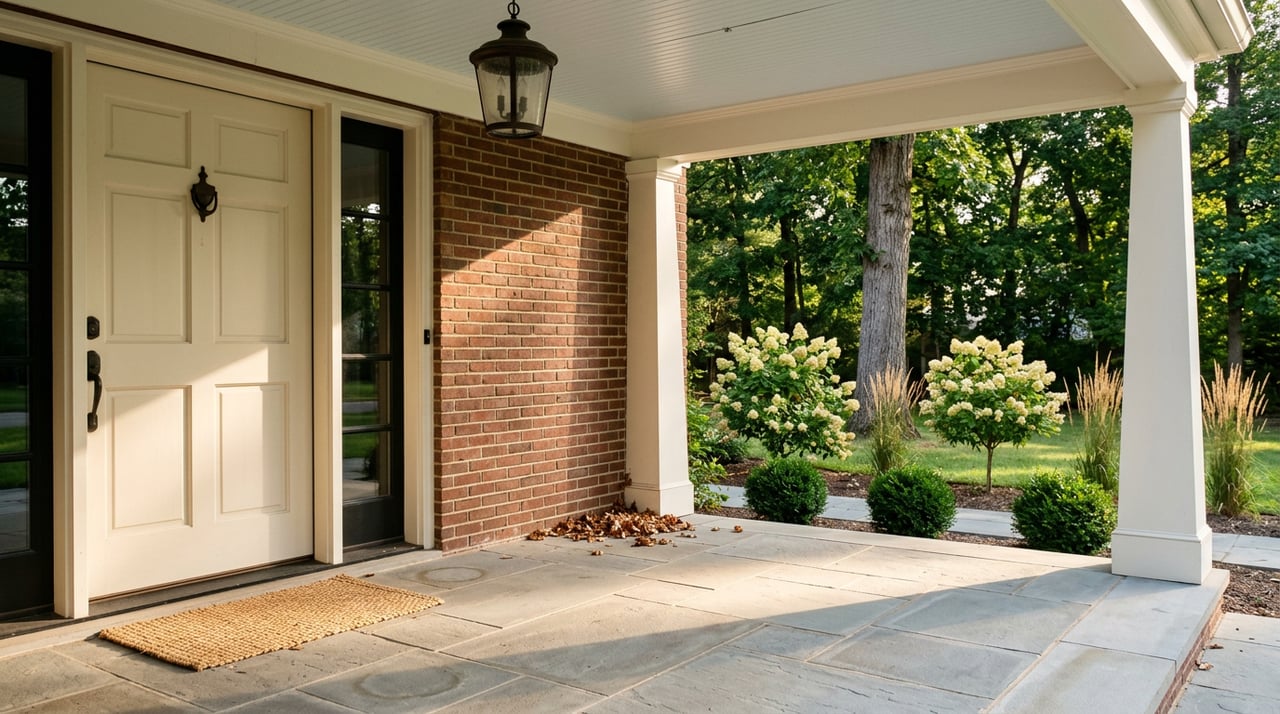
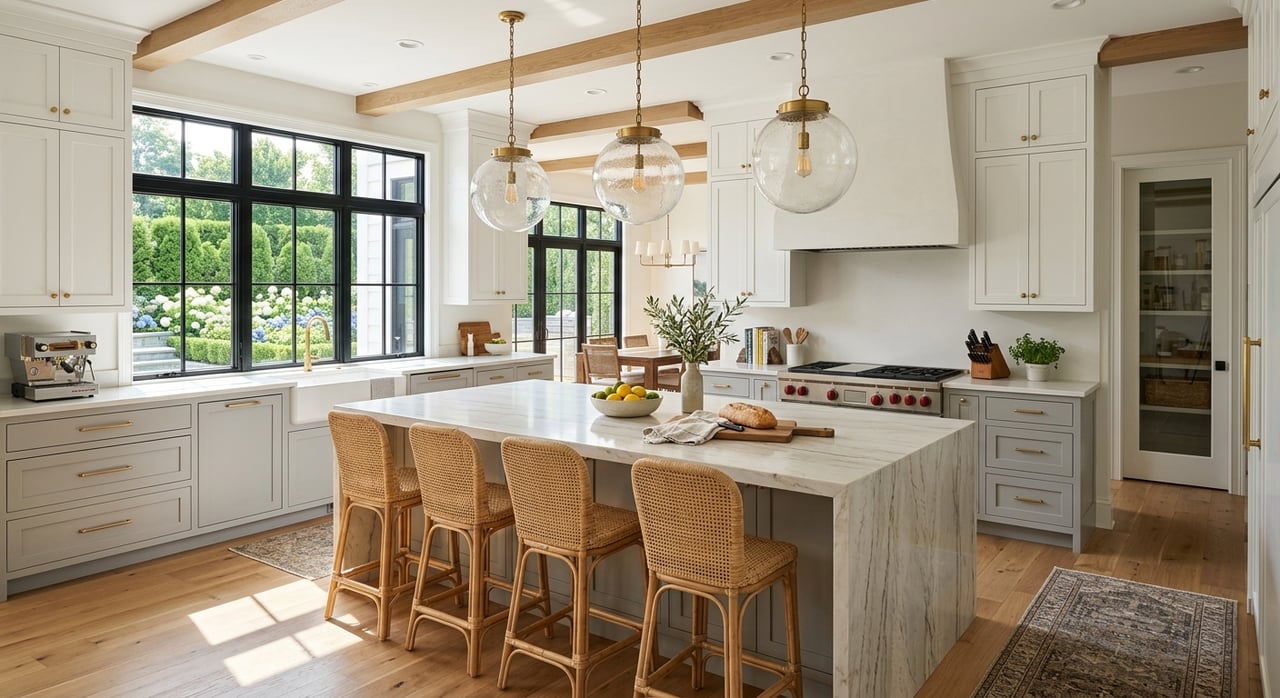
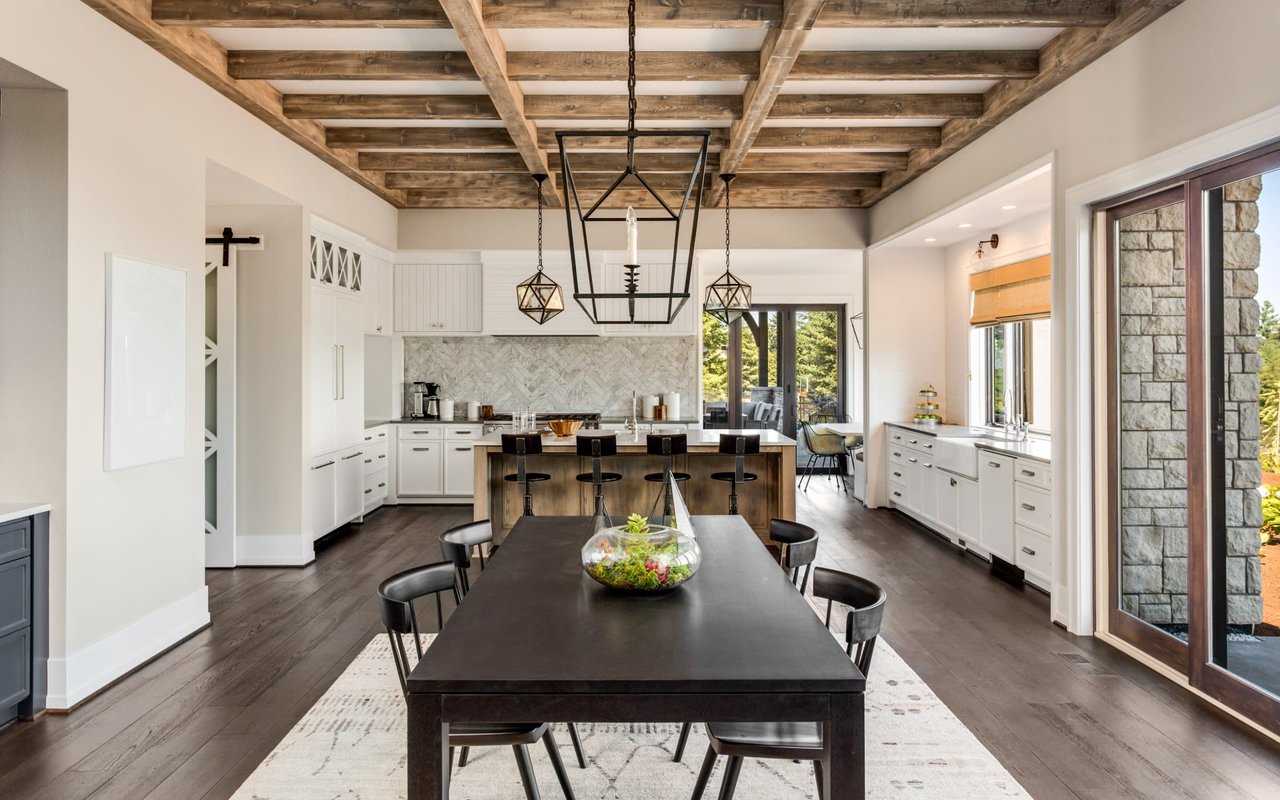
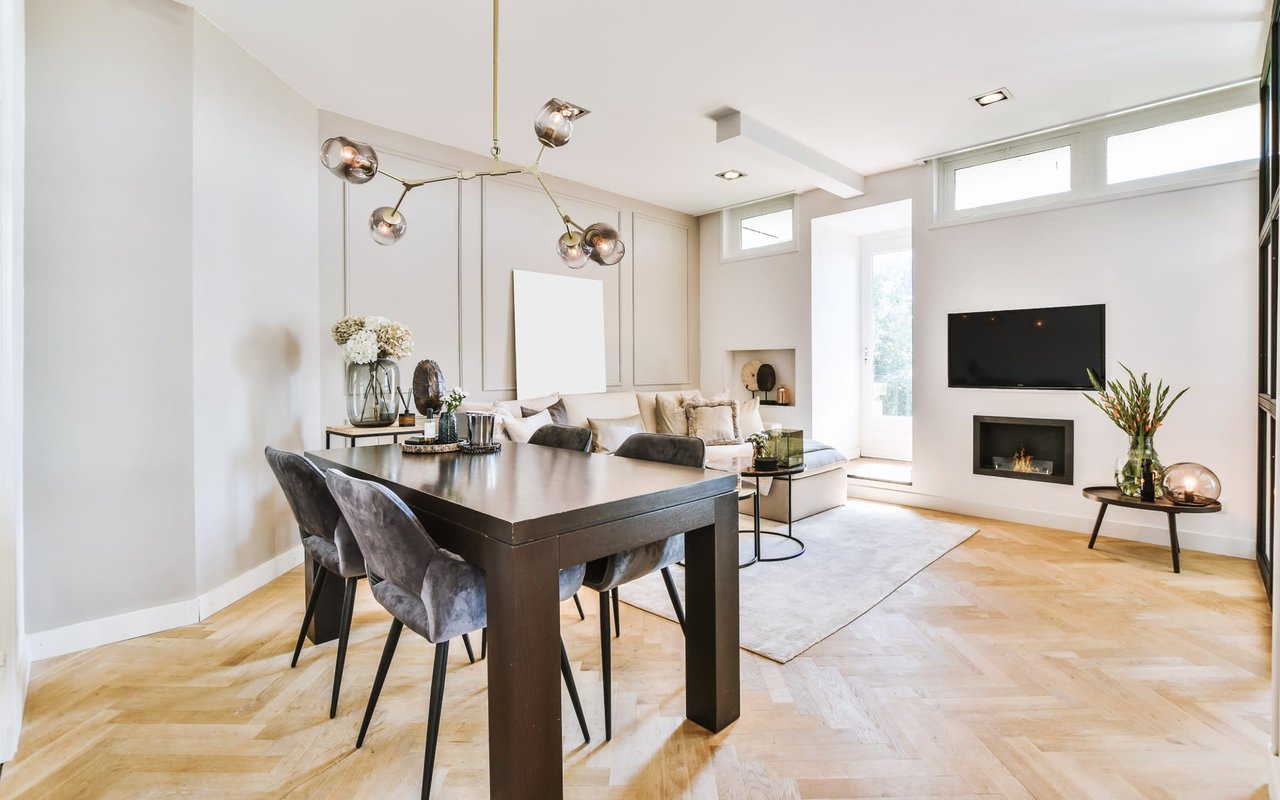
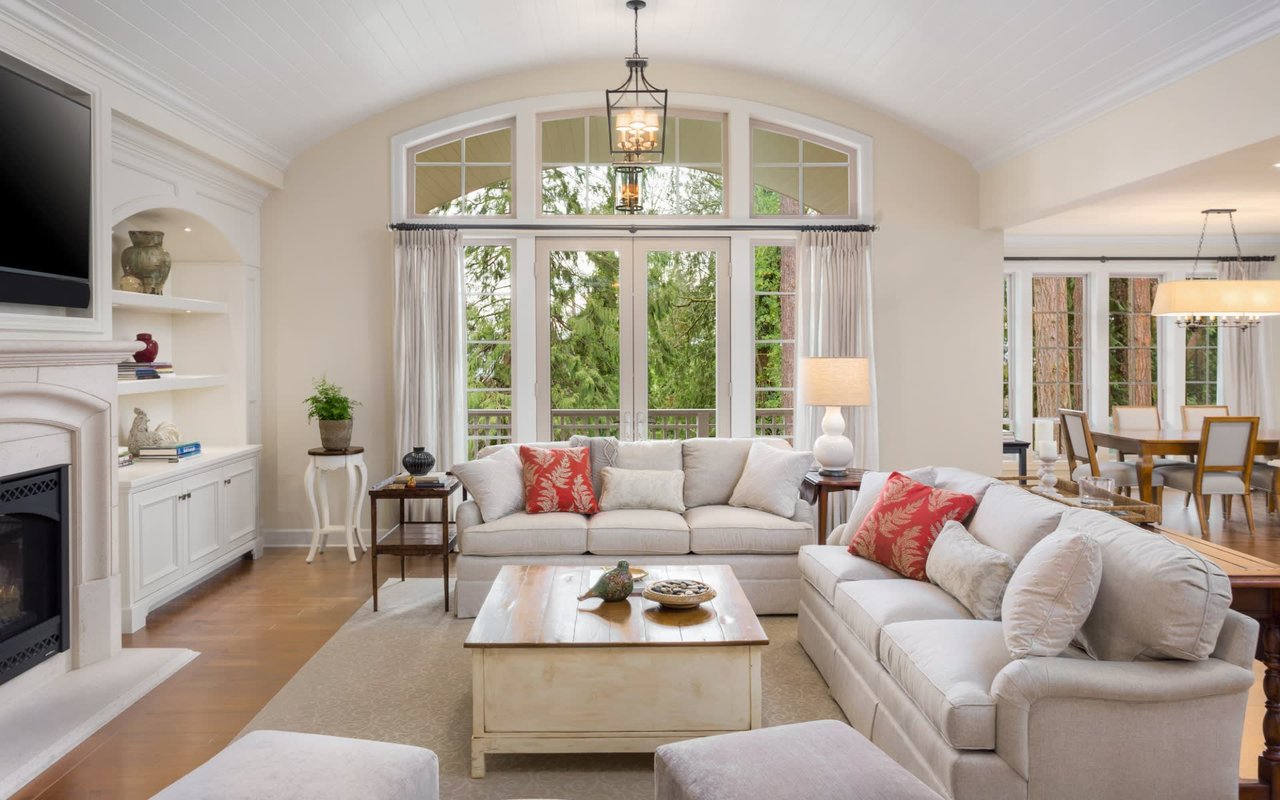
What Homes Near the Lake Tend to Look Like
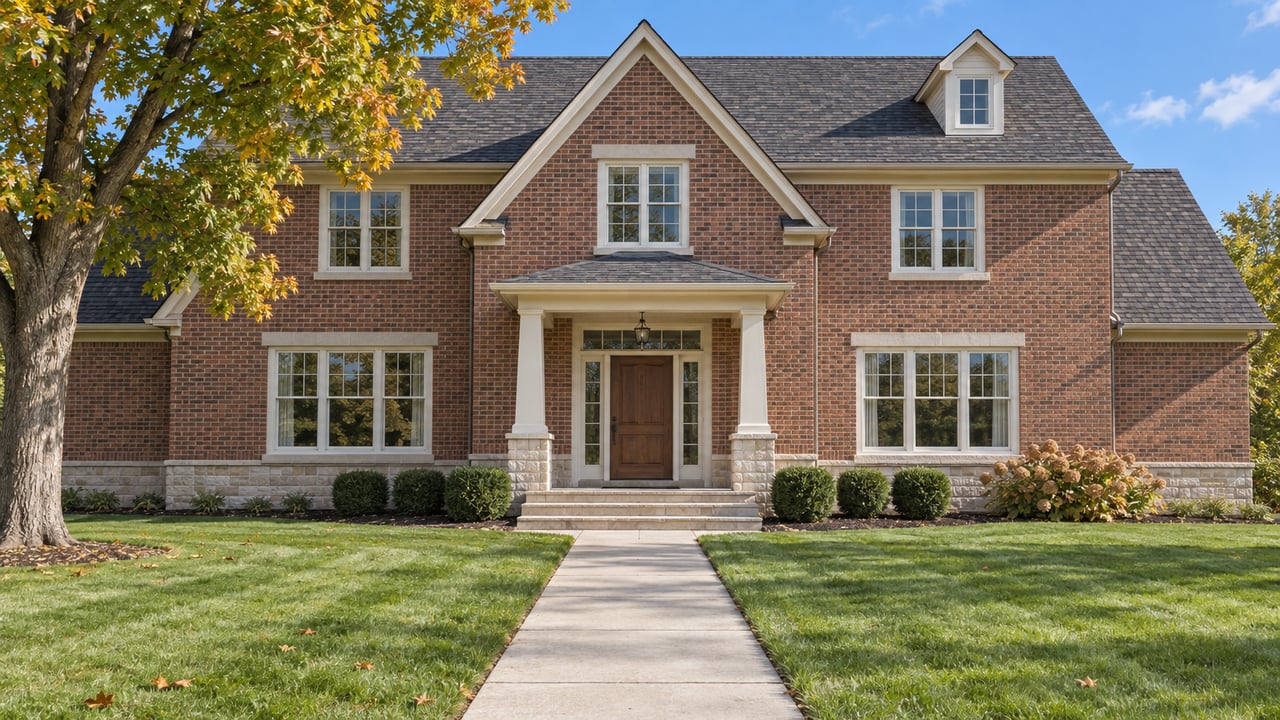
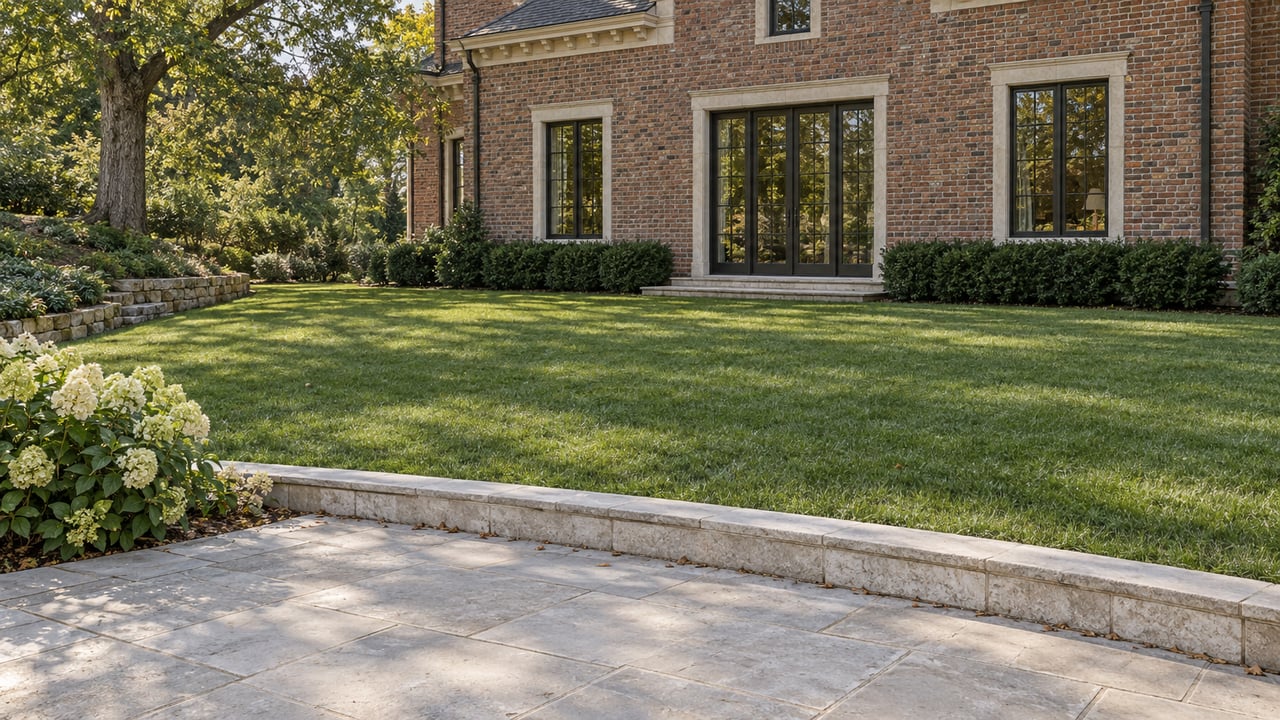
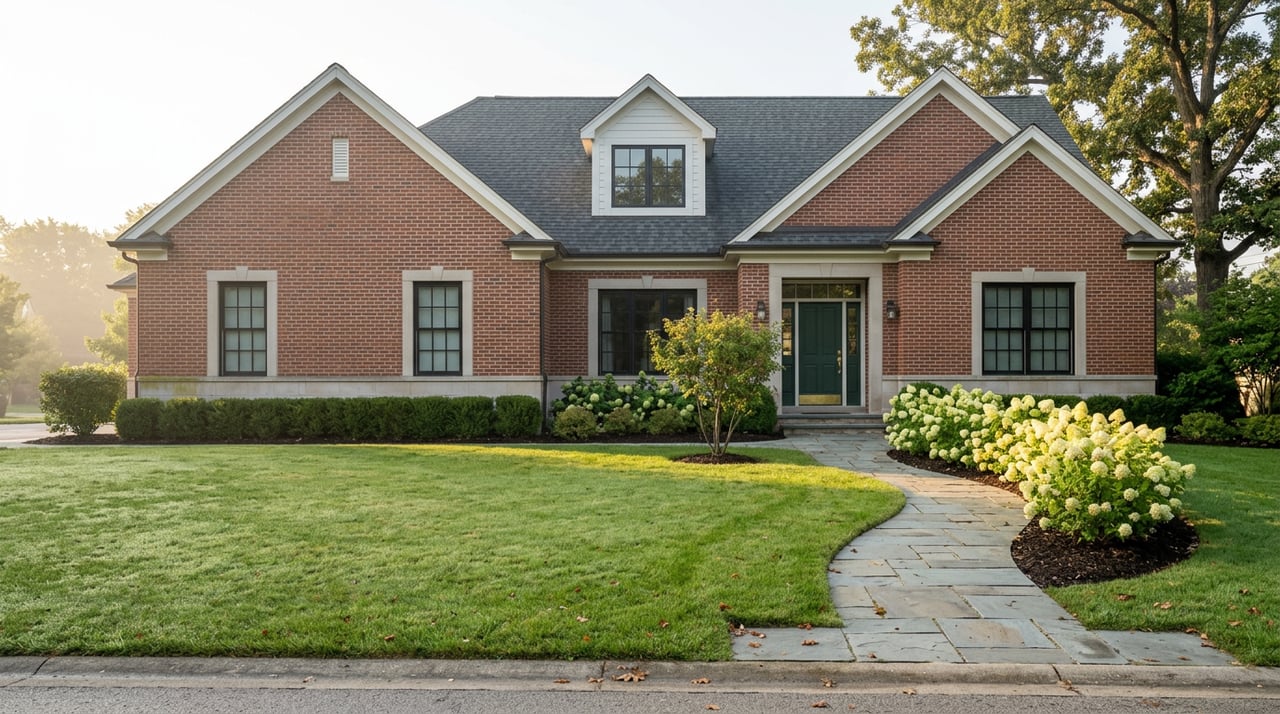
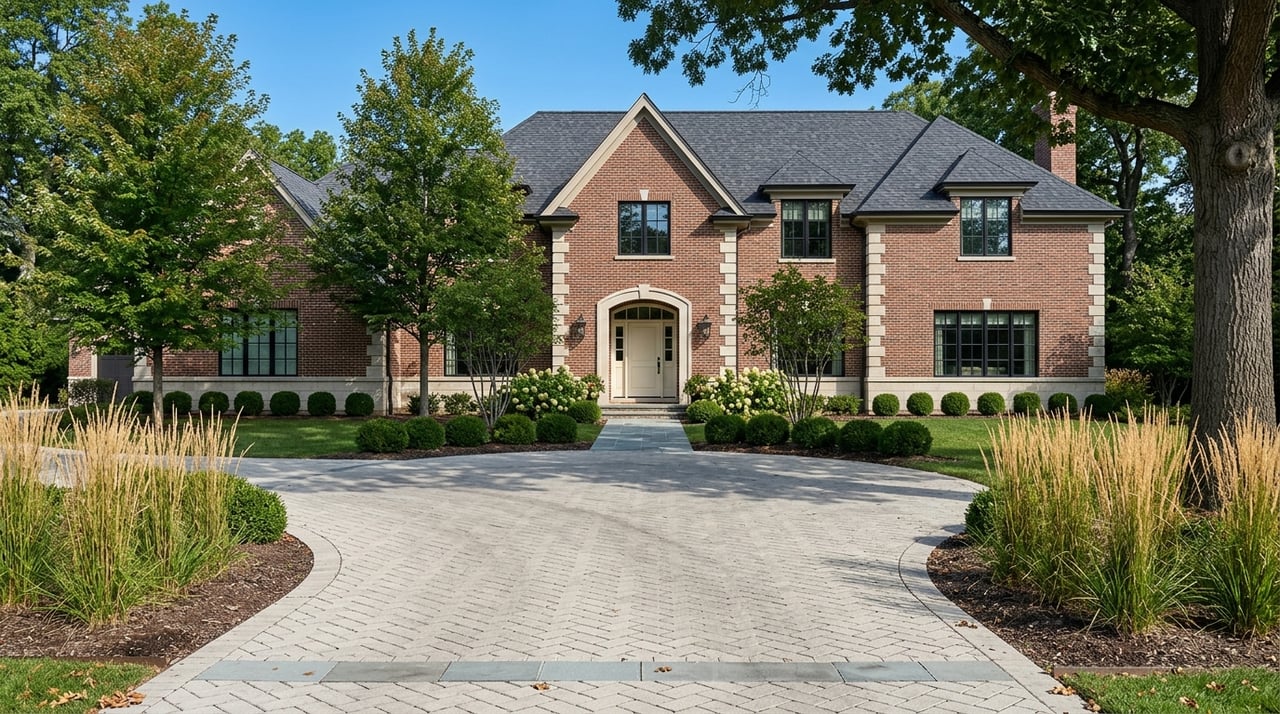
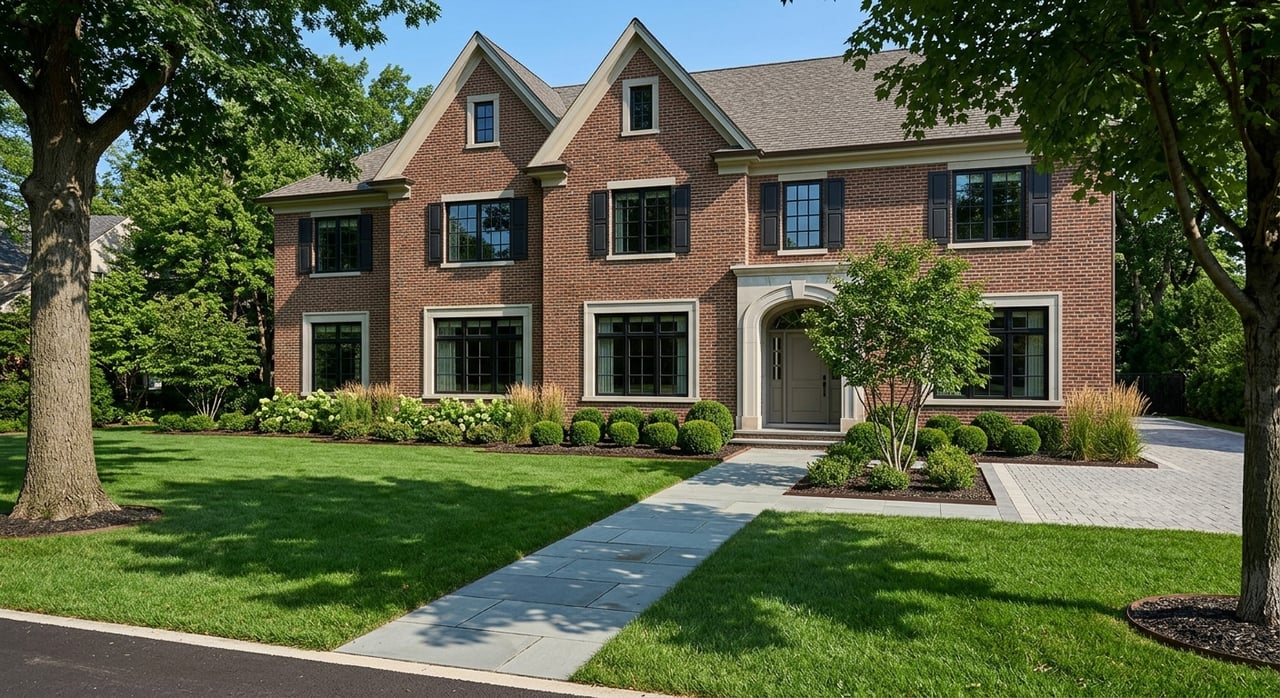
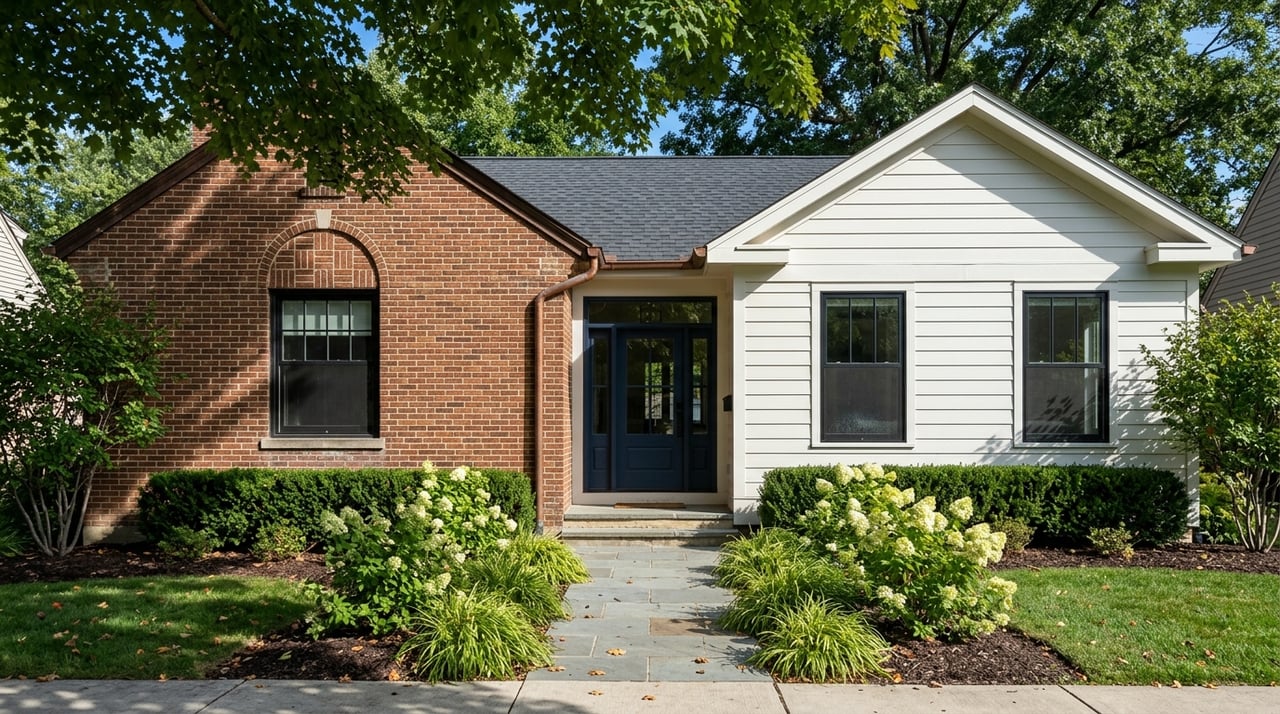
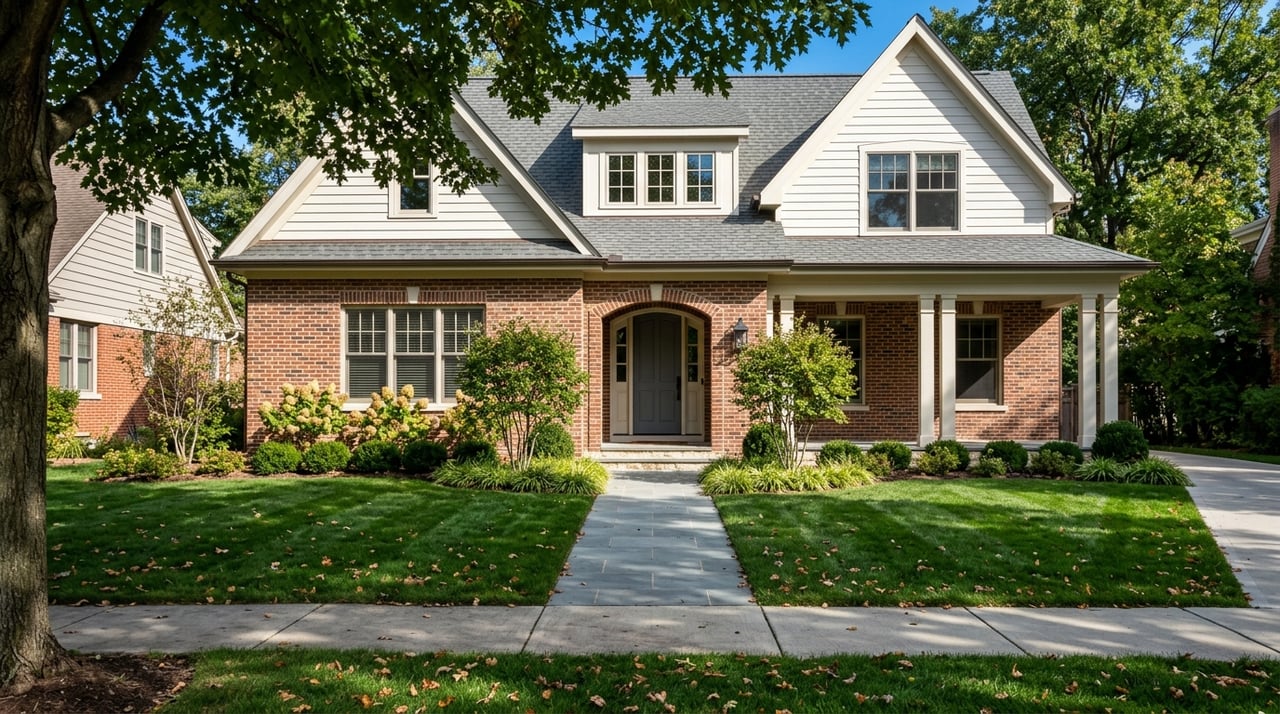
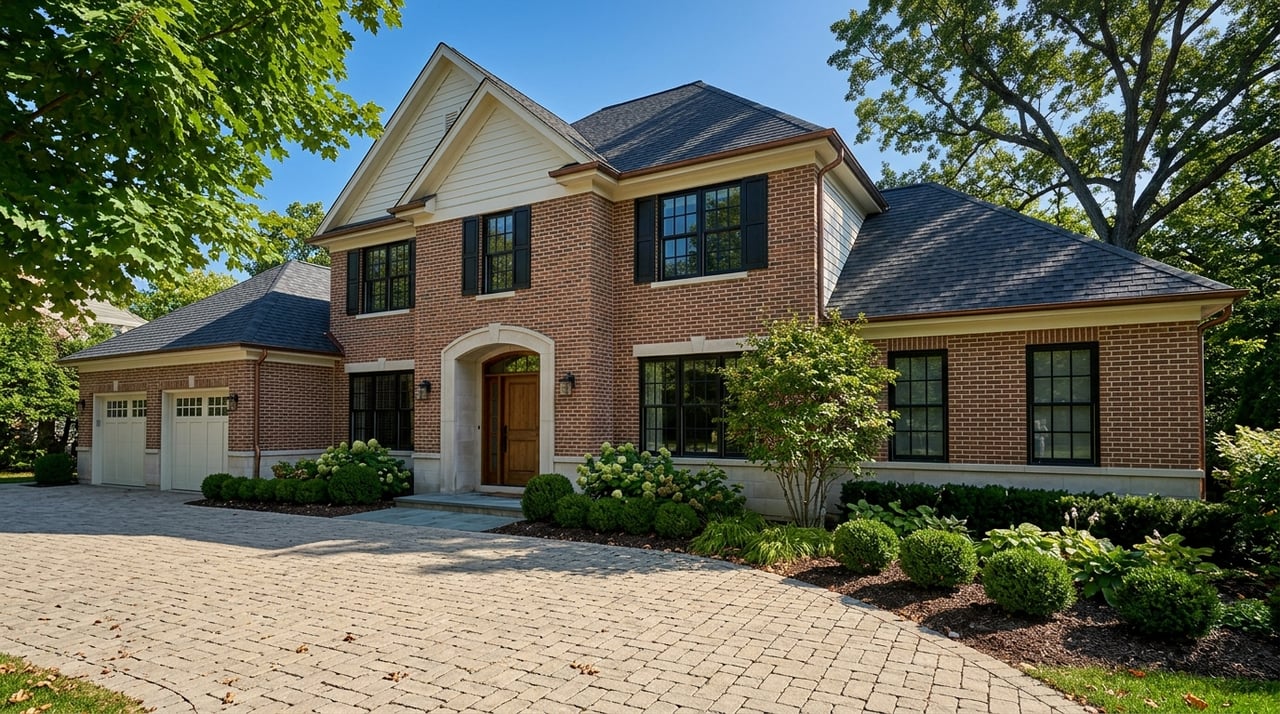
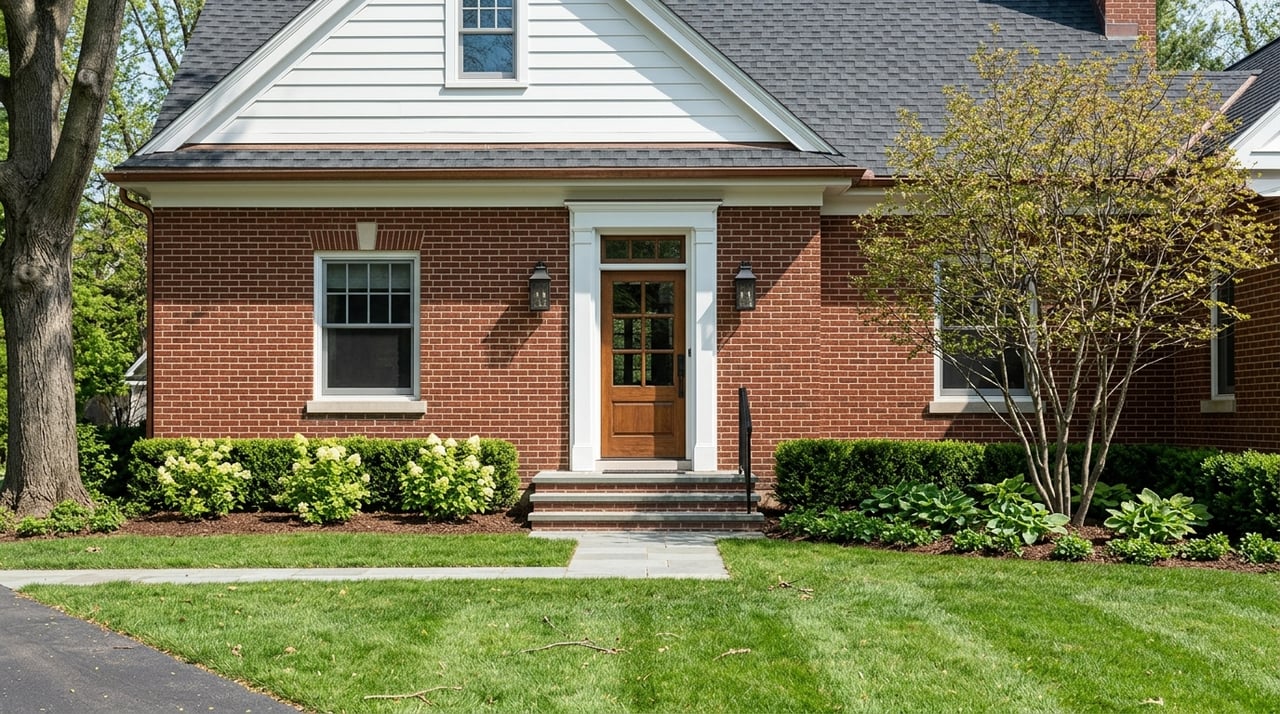
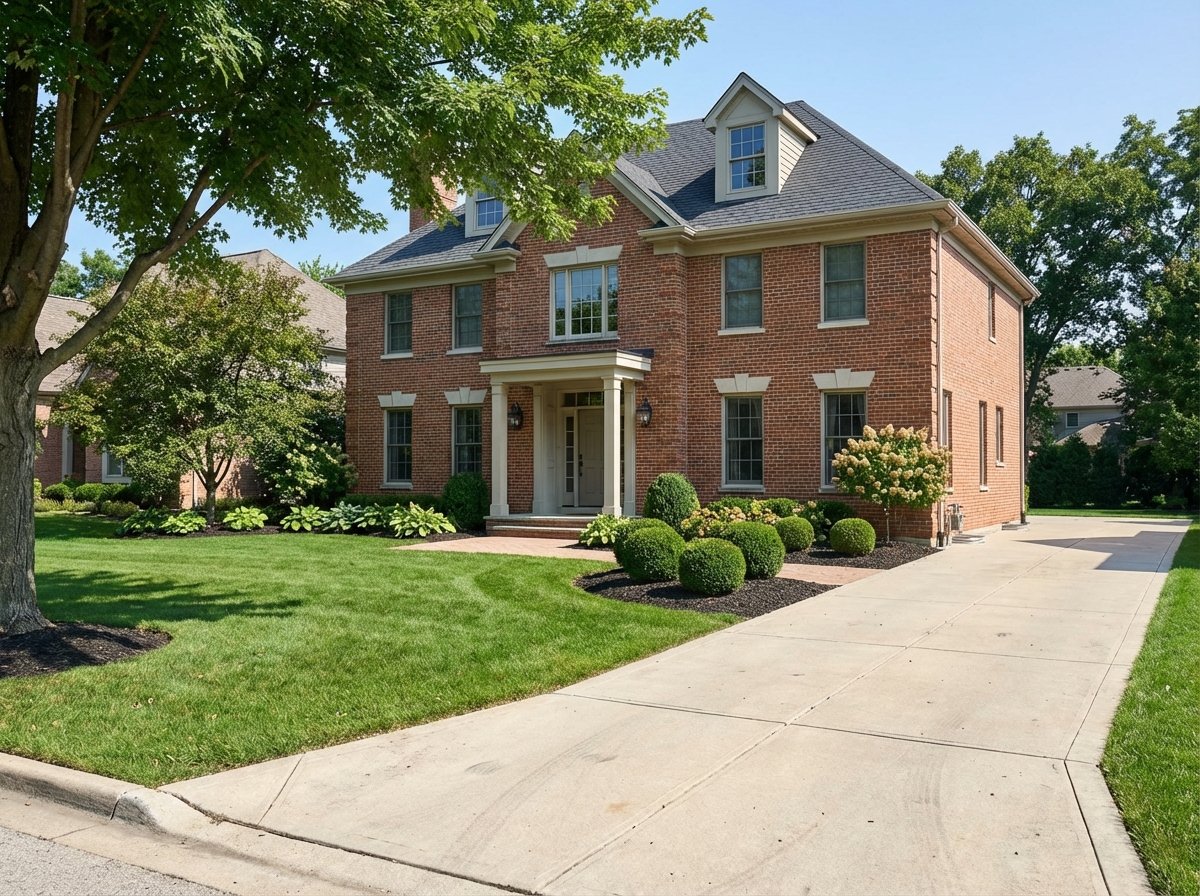
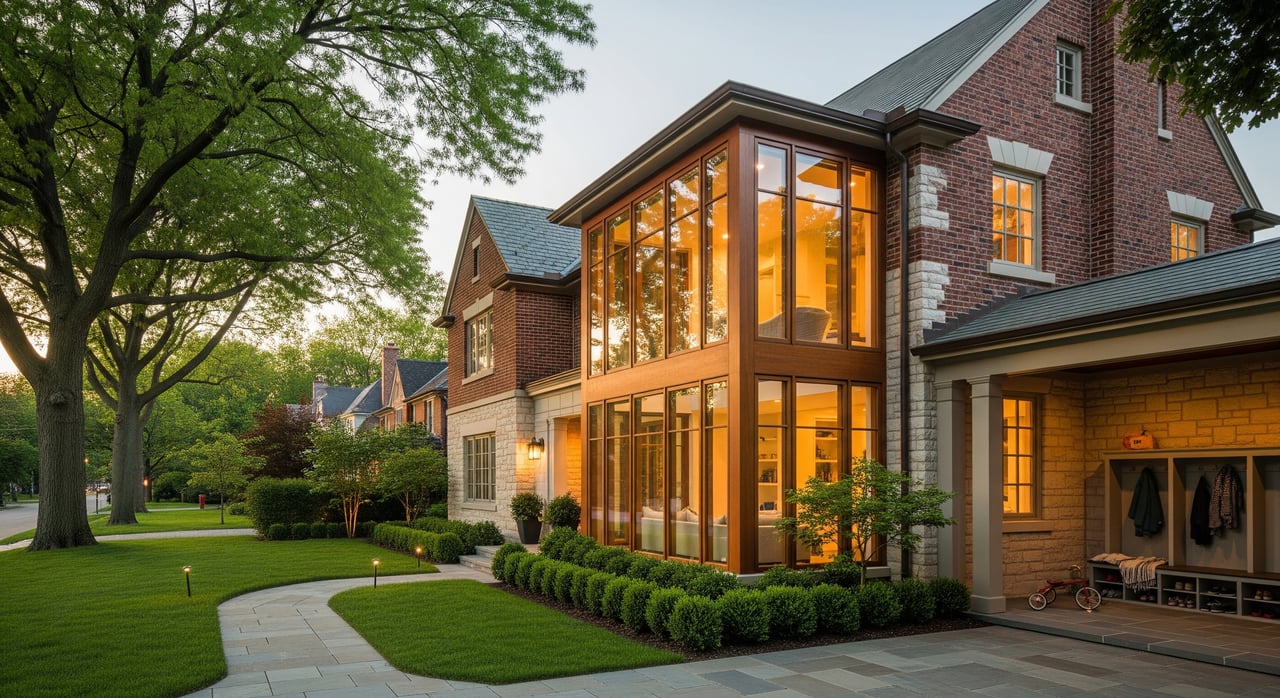
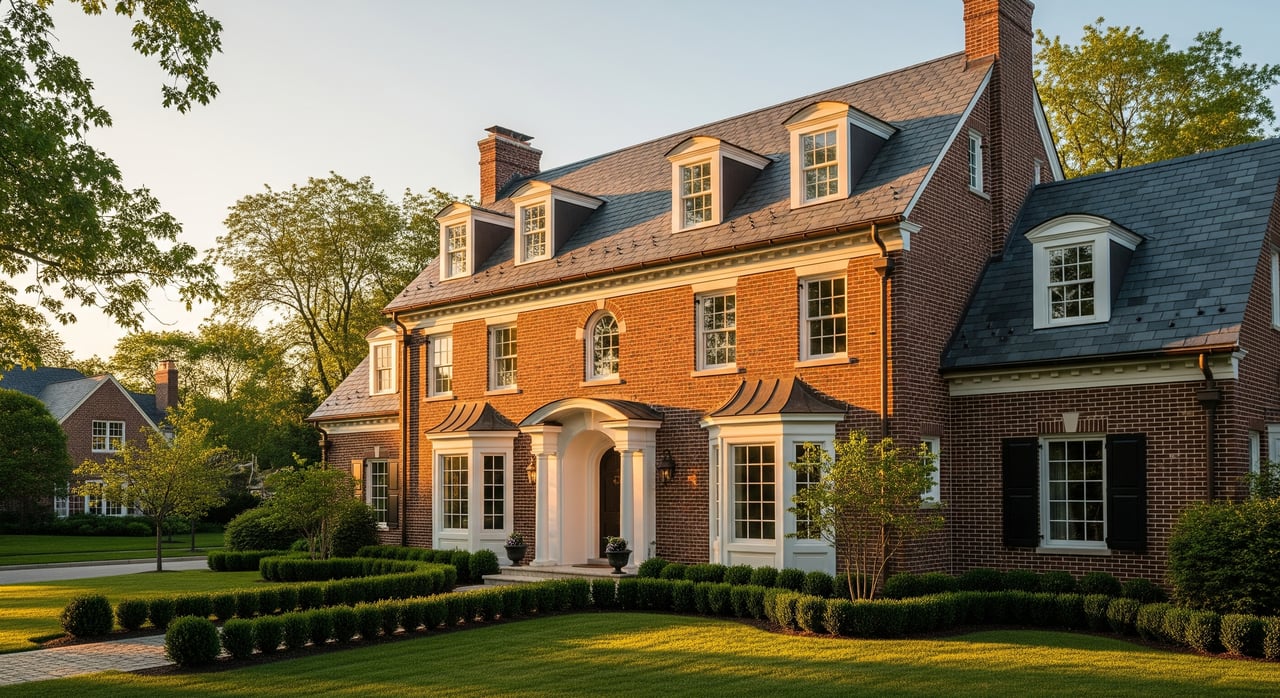
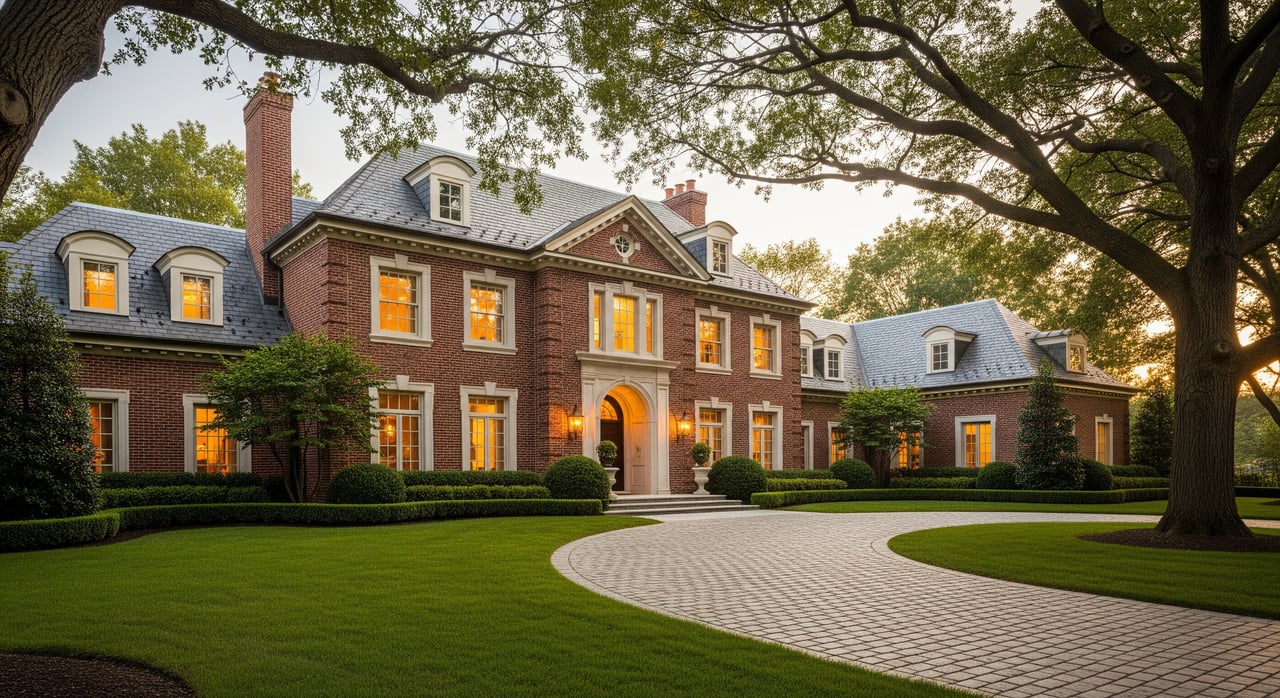
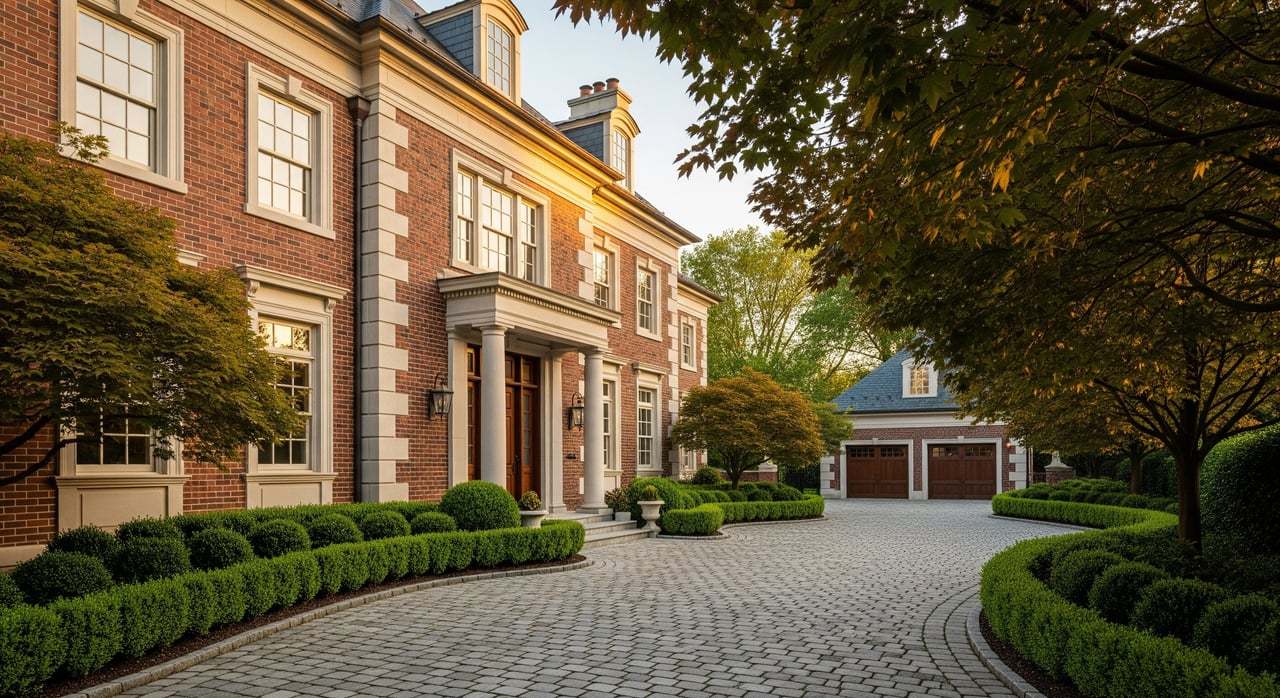
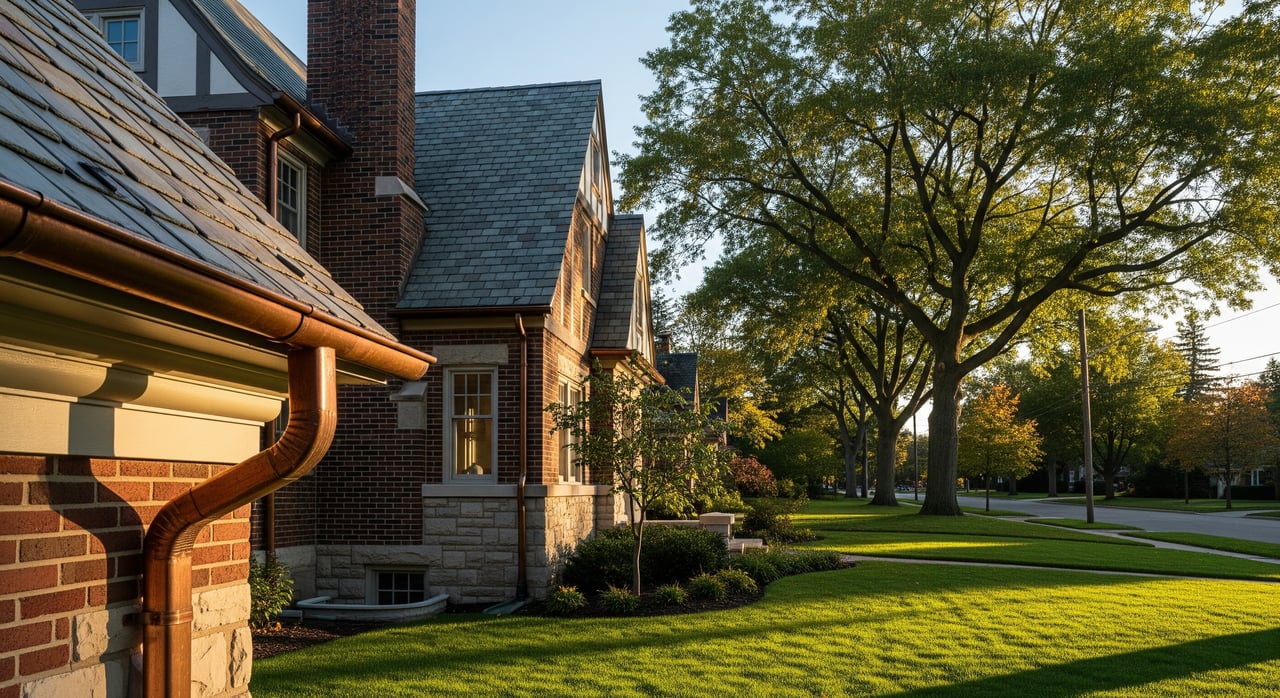
On the housing side, Wilmette remains primarily a single-family market. According to the Village’s 2026 housing analysis, about four out of five homes are single-family, and about 89% are owner-occupied. Census QuickFacts shows a similar owner-occupied rate of 87.9% for 2020 through 2024, reinforcing the same overall picture.
For buyers, that means the market is still defined largely by owner-occupied detached homes. If your vision of Wilmette includes a substantial house and long-term ownership, that aligns well with the community’s existing housing pattern. It also helps explain why demand can stay strong for well-located properties.
There Are More Options Than Many Buyers Expect
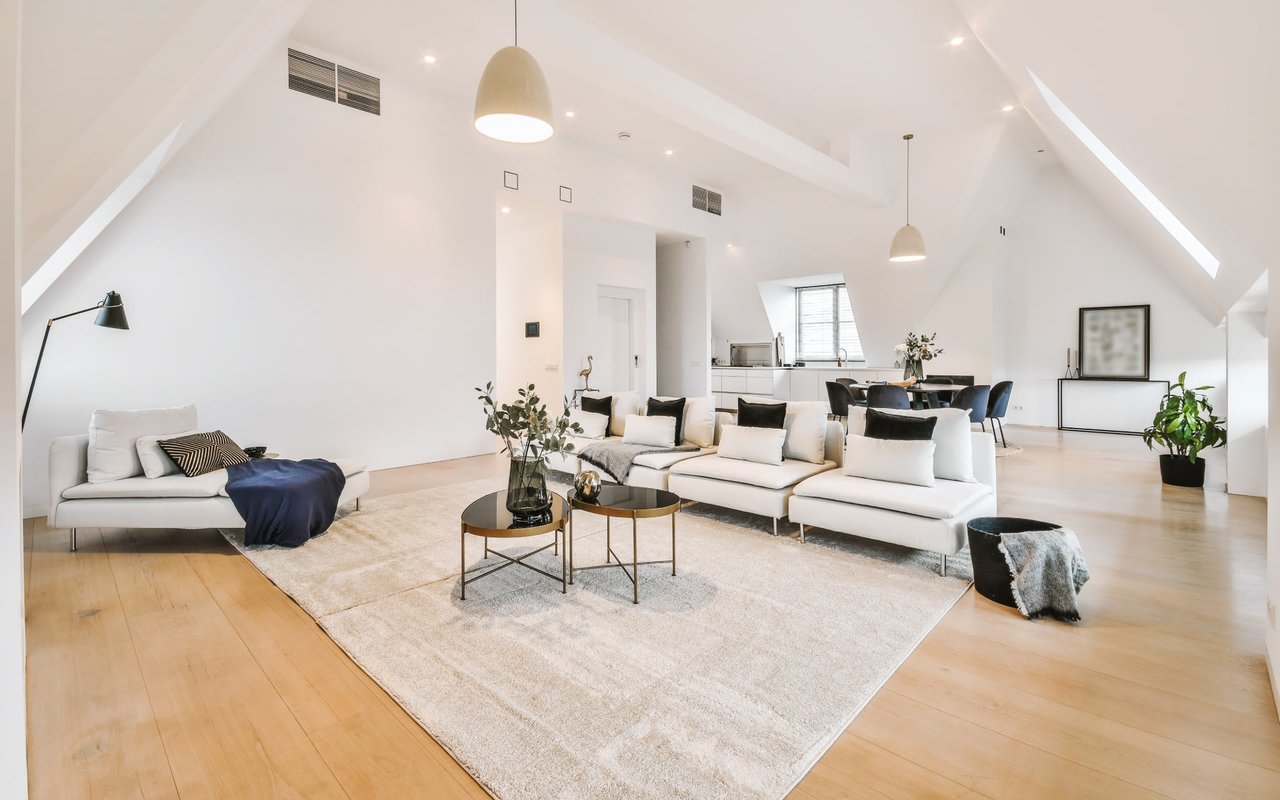
Even so, Wilmette is not limited to detached homes. The Village reports that 225 multifamily units have been added since 2015, with another 128 expected through Optima Lumina. That points to a broader range of housing options than some buyers assume.
If you want a lakefront-adjacent lifestyle with less maintenance, smaller scale, or stronger proximity to transit and the village core, there may be options worth exploring. Detached homes still dominate, but condos and other multifamily choices are part of the conversation.
It Is a Premium-Priced Market
Wilmette is a premium suburb by almost any measure. Census QuickFacts reports a median owner-occupied home value of $810,600 and a median household income of $190,662. Those figures help frame the market as one where location, quality, and convenience can carry real weight.
In practical terms, buyers are often competing for homes that combine several advantages at once. Lake access, transit convenience, and strong property condition can create a compelling mix. That is especially true in a community where the owner-occupancy rate is high and many households are thinking long term.
Commuting From Wilmette Is Very Doable
One reason Wilmette stands out is that the lakefront lifestyle is paired with strong transportation access. The Village reports that Metra’s Union Pacific North line stops downtown at 722 Green Bay Avenue and runs to downtown Chicago. The CTA Purple Line also ends at Linden Avenue in Wilmette and continues south through Evanston toward the northern edge of Chicago.
The Village also lists Pace routes 213, 421, 422, and 423. That gives residents a real mix of rail, bus, and driving options. For many buyers, that combination makes Wilmette feel more flexible than a lakefront suburb that depends mostly on the car.
Commute Convenience Still Requires Planning
Of course, easy access does not mean no planning. Census QuickFacts lists a mean travel time to work of 34.6 minutes, and the Village places Wilmette about 16 miles from downtown Chicago. That puts the commute in a manageable range for many households, but it is still a real part of your weekly routine.
Parking is another everyday detail to factor in. The Village reports daily parking fees of $2.60 at the Metra Berman lot, $2.10 at the Poplar Avenue lots, and $4 at the CTA Linden lot. Downtown on-street parking is free but time-limited, and overnight parking is restricted.
Biking Helps Connect the Lifestyle
Wilmette’s bike network adds another layer to daily convenience. The Village bike map shows connections to the Green Bay Trail, Evanston Lakefront Path, and Skokie Path. These routes are intended to help residents reach parks and other destinations around town.
That makes the lakefront feel more integrated into everyday life. Instead of always being a separate outing, it can be part of a bike ride, an errand loop, or a weekend routine. For buyers who value an active lifestyle, that connectivity can make a meaningful difference.
Who Wilmette Lakefront Living Fits Best
Wilmette’s lakefront tends to fit buyers who want access over isolation. If you like the idea of being near beaches, sailing, open space, and public recreation, this setting has a lot to offer. If you are expecting a private-resort feel with very little structure, the reality may feel different.
It can also be a strong match if you commute to Chicago and want multiple transit options. The ability to pair shoreline amenities with Metra, CTA, Pace, and bike connections is a rare combination. For the right buyer, that balance is what makes Wilmette stand out.
In the end, lakefront living in Wilmette is less about exclusivity and more about access, activity, and everyday usability. It is a lifestyle shaped by Gillson Park, seasonal beach routines, transportation convenience, and a housing market that remains largely owner-occupied and single-family. If that mix sounds like the right fit for your next move, Ginny Stewart can help you think through the details with a private, concierge-level approach.
FAQs
What does lakefront living in Wilmette actually feel like?
- It feels centered on public lakefront amenities, especially Gillson Park, with a mix of beaches, sailing, dog-friendly space, recreation, and seasonal routines rather than a purely private waterfront experience.
What should buyers know about Gillson Park beach access in Wilmette?
- Gillson’s swimming beaches operate from Memorial Day through Labor Day from 10 a.m. to 8 p.m., and summer parking near the lakefront is managed through passes, stickers, and seasonal restrictions.
Can you sail or paddle at the Wilmette lakefront without owning a boat?
- Yes. The Park District offers weekend public rentals, sailing lessons, and trail-in permits for kayaks and stand-up paddleboards, although local launching rules still apply.
Are most homes near the Wilmette lakefront single-family homes?
- Mostly yes. The Village reports that about four out of five homes in Wilmette are single-family, though multifamily housing has also grown in recent years.
Is Wilmette a good option for commuting to Chicago?
- Wilmette offers strong commuting options through Metra, the CTA Purple Line, Pace routes, and local bike connections, but the day-to-day experience still requires planning around train schedules, parking, and traffic.
Is parking a big factor in the Wilmette lakefront lifestyle?
- Yes. Beach-season parking around Gillson Park is regulated, daily passes are limited, and commuter parking also has fees and restrictions, so logistics are part of living near the lake.