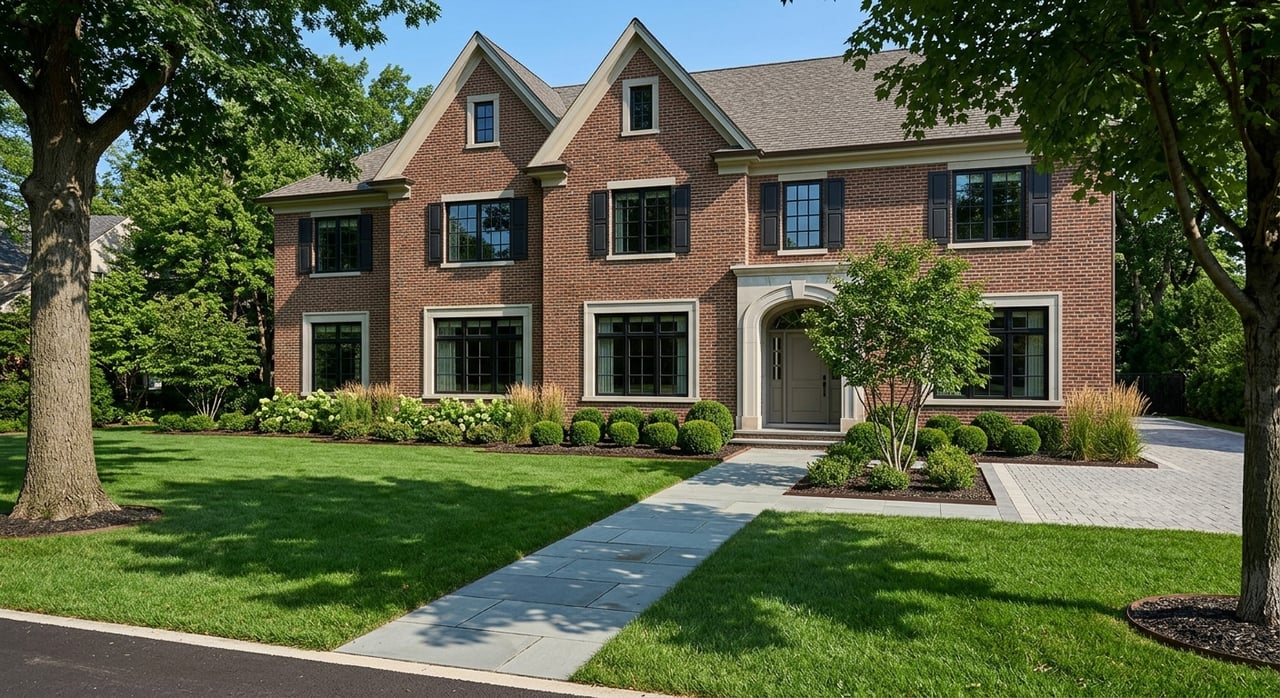
Wondering how to tell a Winnetka Tudor from a Colonial, or whether a modern lakefront home fits your lifestyle better than a classic revival? In a village known for architectural variety, buying the right home is about more than curb appeal alone. When you understand how Winnetka’s signature styles look, live, and age, you can shop with more clarity and confidence. Let’s dive in.
Why architecture matters in Winnetka
Winnetka packs an impressive range of home styles into just 3.81 square miles. The village is known for its Lake Michigan setting, tree-lined streets, beaches, and historic character, which all shape the feel of its housing stock.
That small footprint also means you can see several architectural styles within a relatively short drive. According to the Winnetka Historical Society, the village’s early 20th-century growth created a lasting mix of Colonial, Tudor, French, Spanish, Dutch, Classical, and Prairie School homes.
For buyers, that variety is a major advantage. You are not choosing between one look repeated block after block. You are choosing between very different floor plans, exterior materials, upkeep needs, and long-term renovation considerations.
Colonial Revival homes
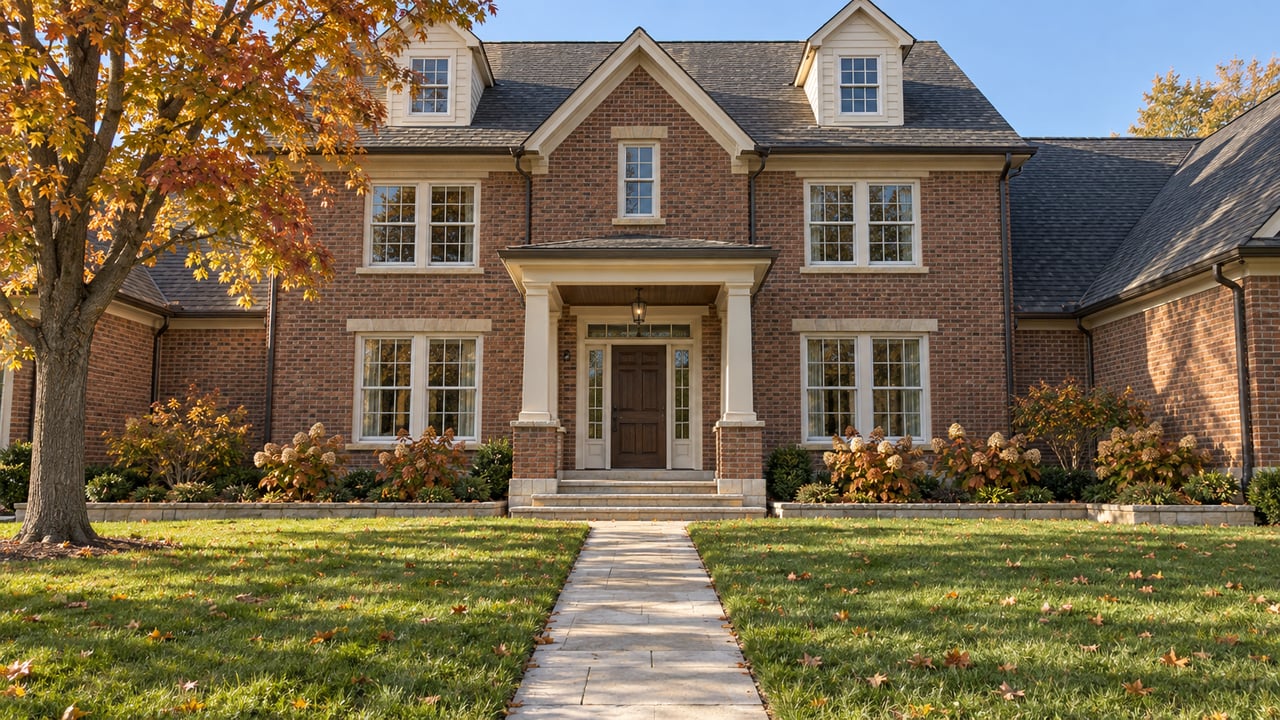
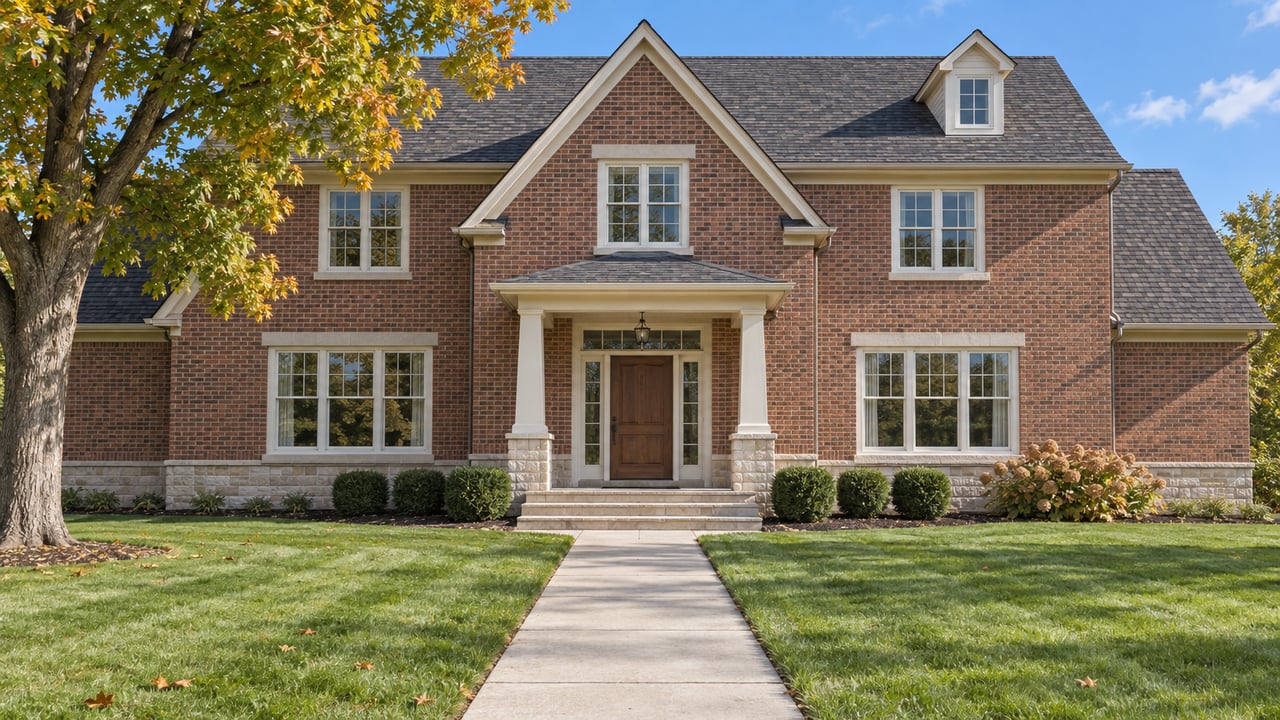
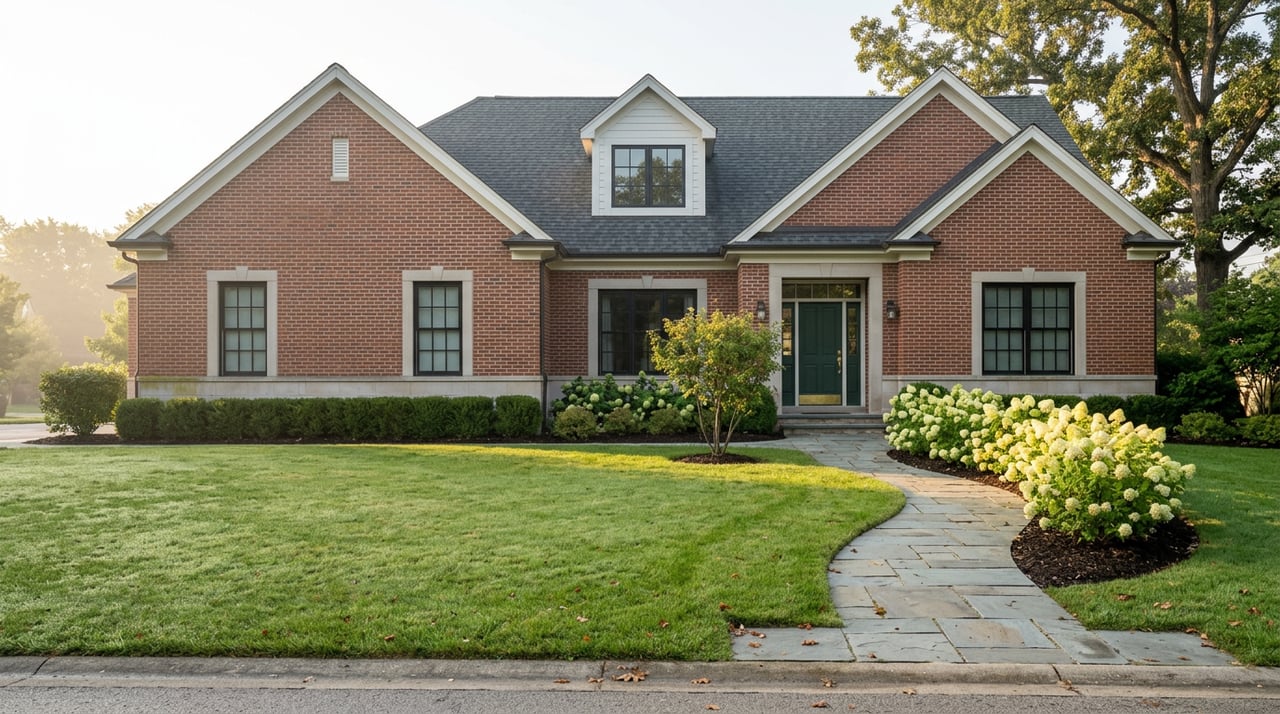
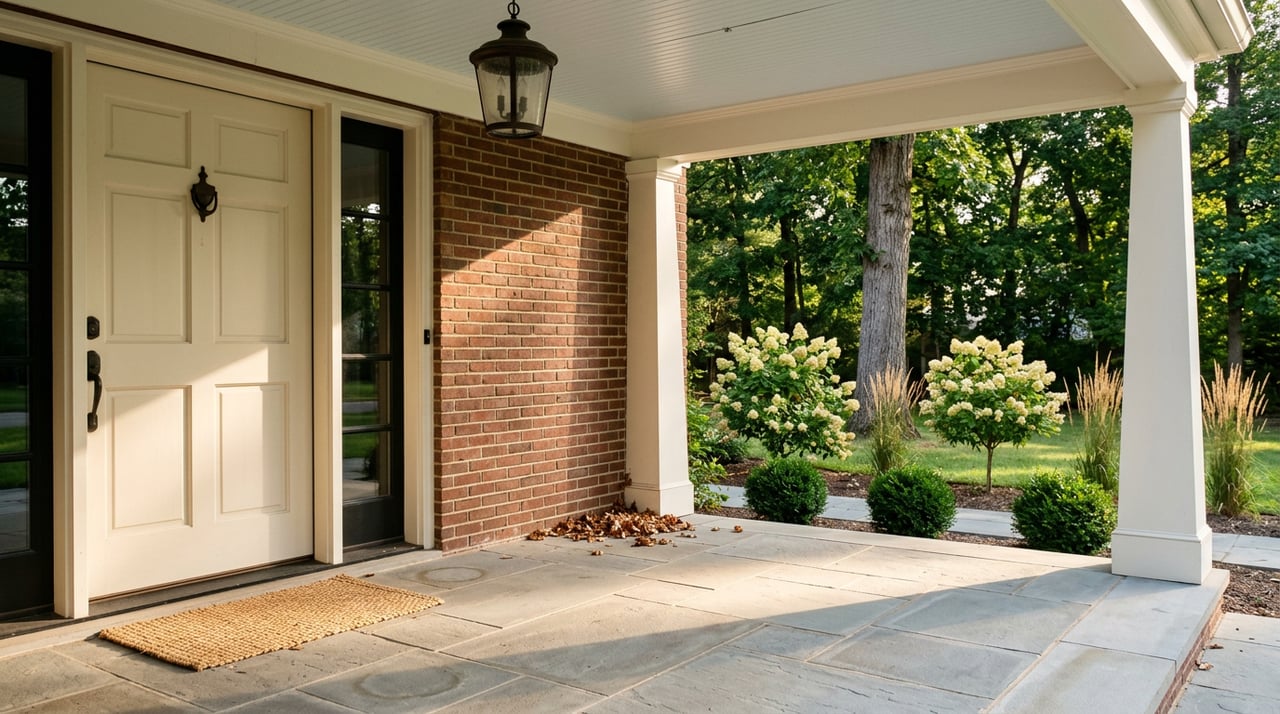
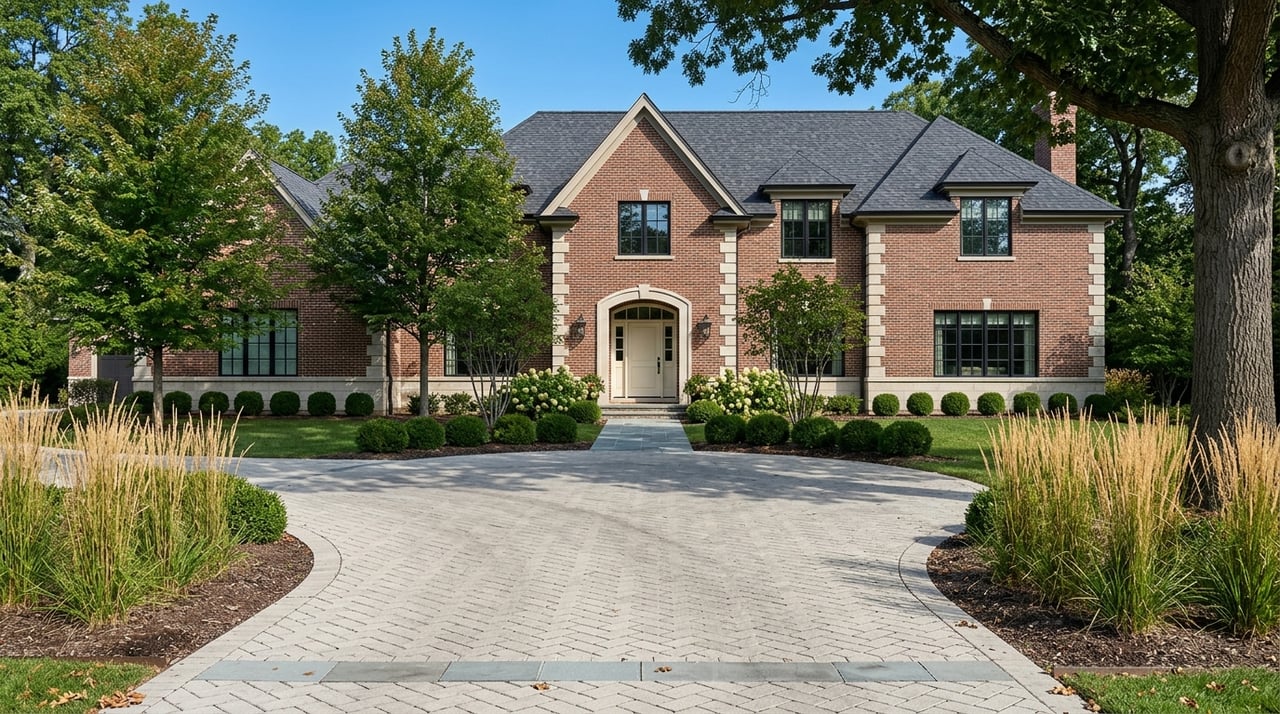
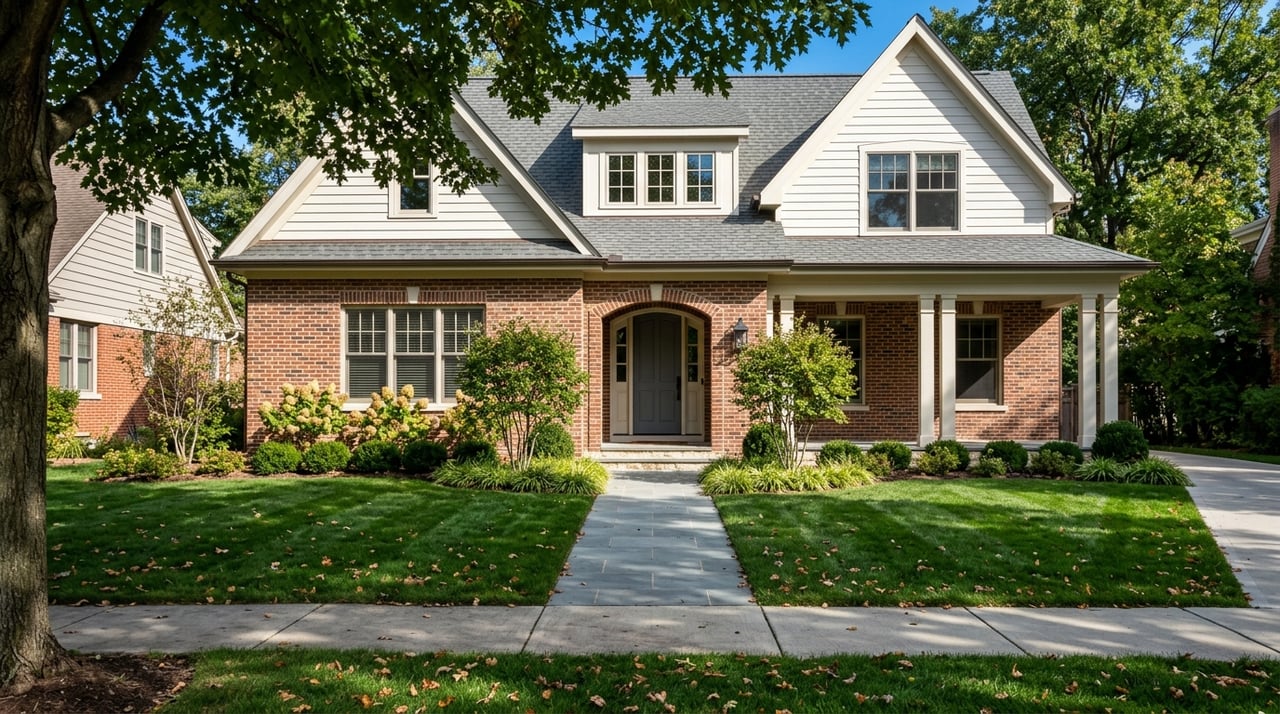
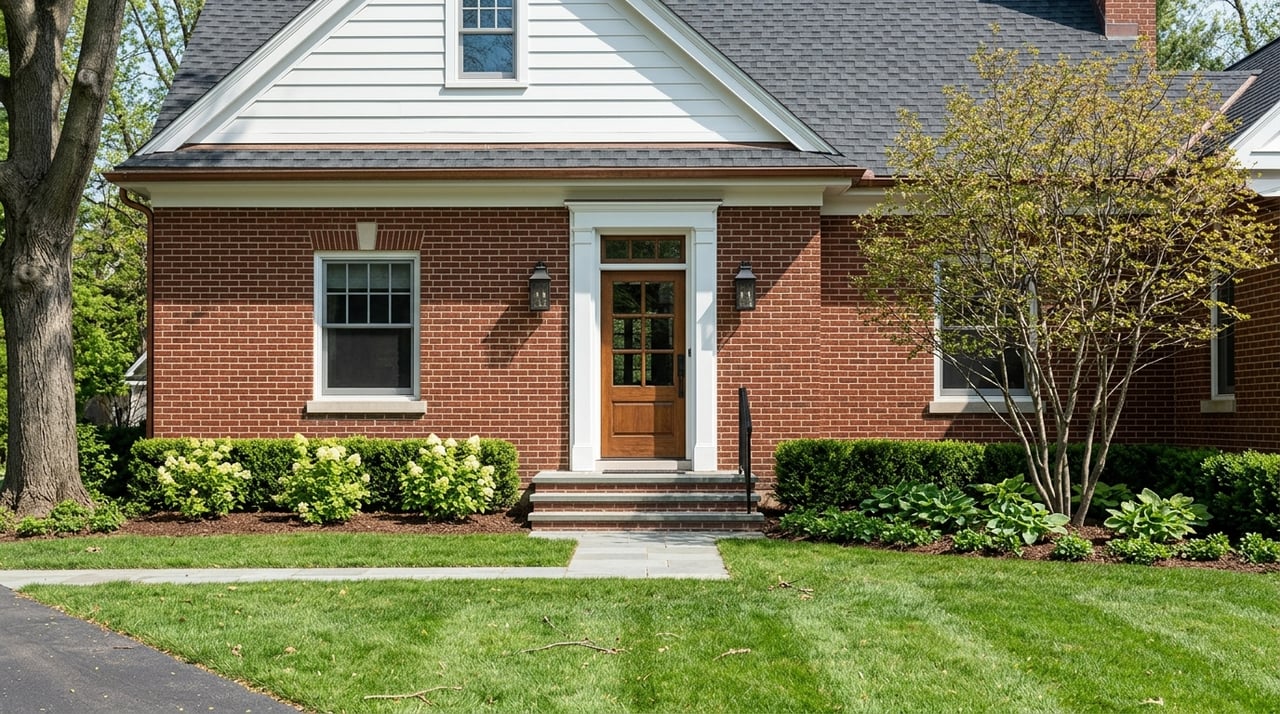
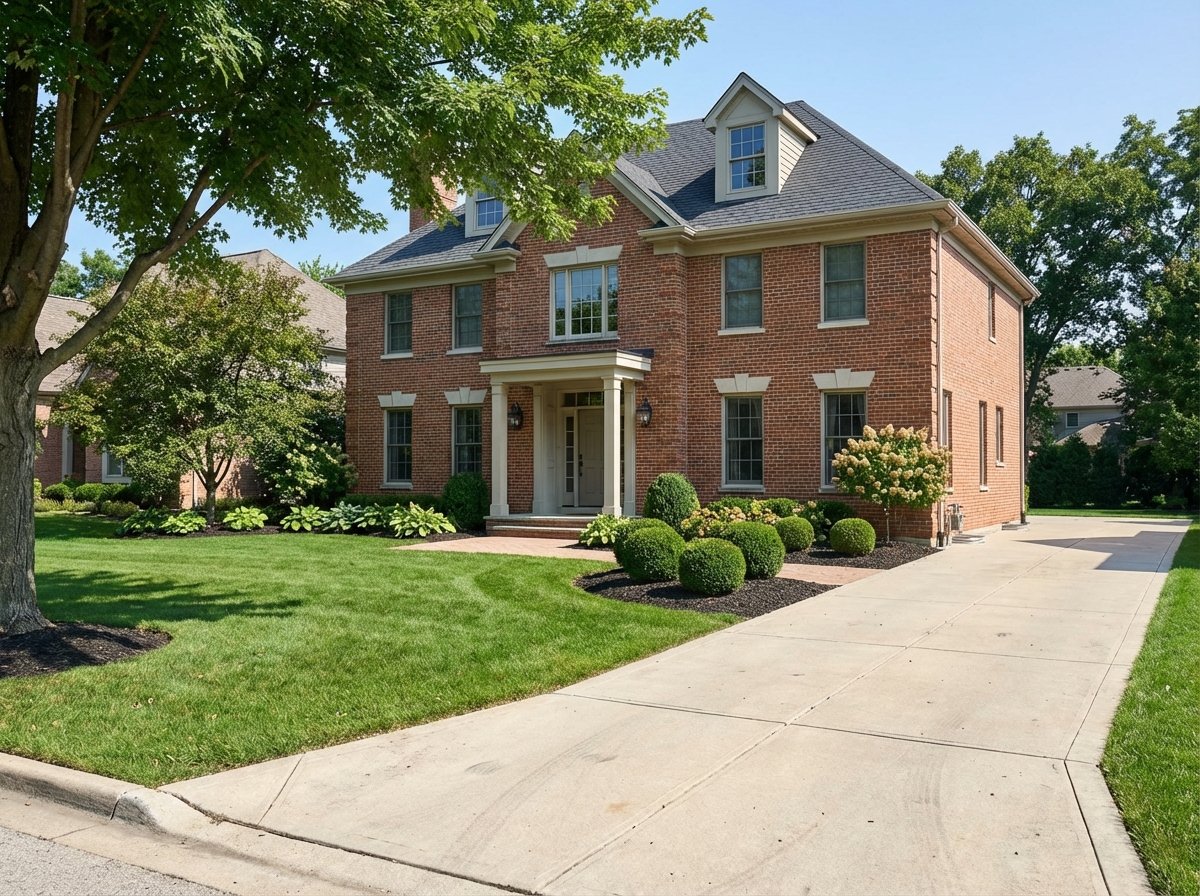
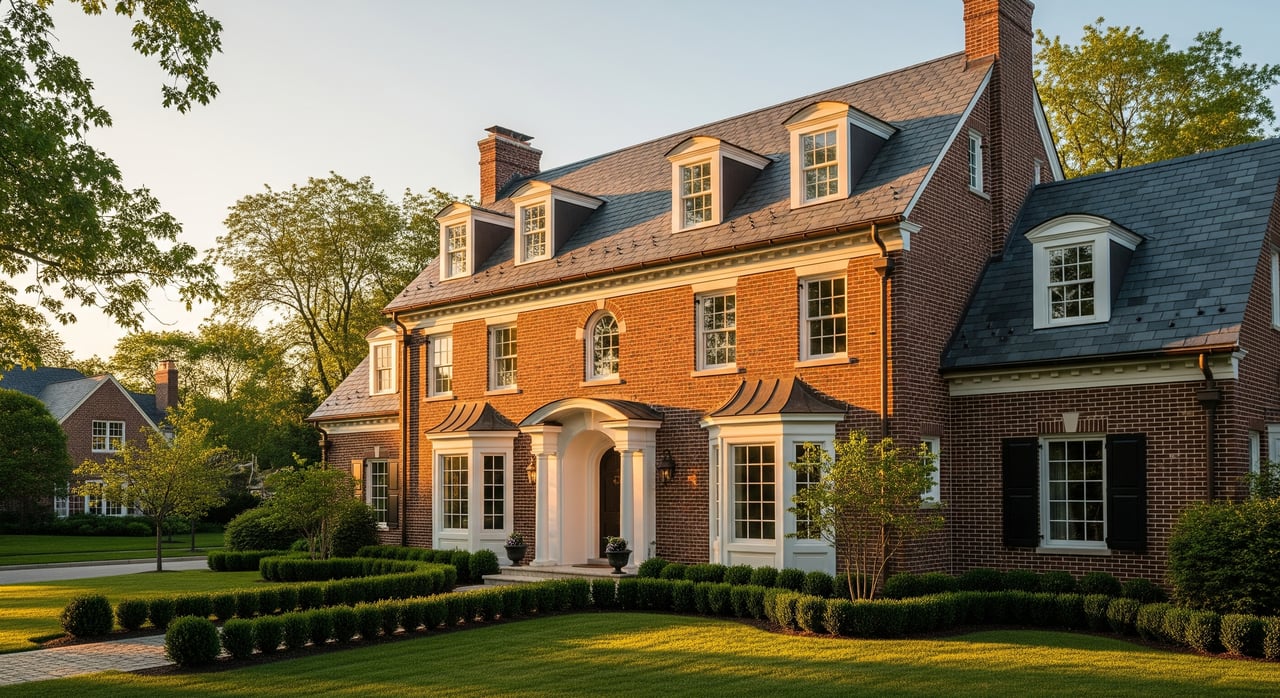
Colonial Revival is one of Winnetka’s most common signature styles. These homes are typically symmetrical and rectangular, with classical details, double-hung windows, and exterior finishes that may include wood, brick, or shingles.
In practical terms, Colonial homes often feel orderly and easy to understand the moment you walk in. The centered entry usually sets a formal tone, and the balanced layout can make rooms feel straightforward to furnish and use.
Many buyers are drawn to the timeless curb appeal. Colonial Revival homes often feel traditional without looking overly decorative, which helps explain their staying power in Winnetka.
What to expect inside
A Colonial often appeals to buyers who like a clear sense of structure. You may find more formal room definitions and a layout that feels composed rather than dramatic.
That can be a plus if you want spaces that feel predictable and functional. It can also suit buyers who appreciate classic proportions and a front entry that creates a strong first impression.
What to watch on maintenance
With Colonial Revival homes, exterior upkeep often centers on painted woodwork, trim, and windows. Historic window guidance notes that repair is often preferable to replacement, especially when original materials remain.
If you are considering updates, it is smart to pay close attention to the condition of wood elements and paint. Small deferred issues outside can become more expensive if they are ignored over time.
Tudor Revival homes
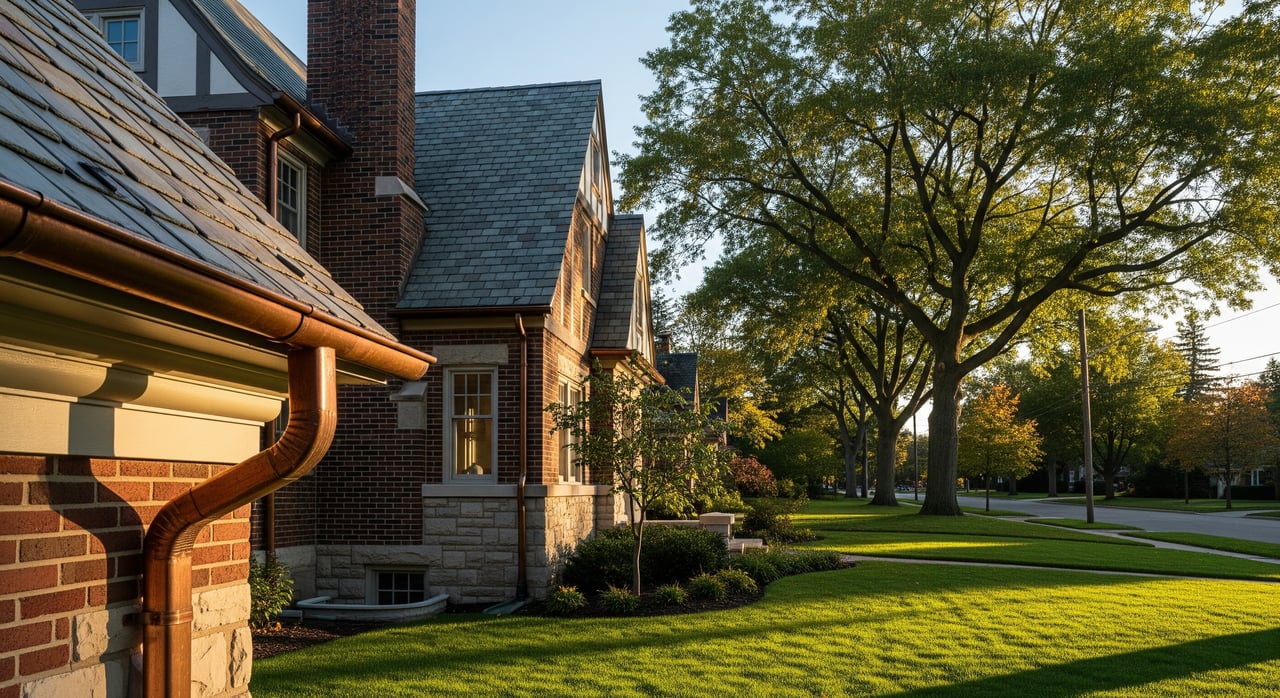
Tudor Revival is equally prominent in Winnetka, and it has a very different personality. These homes are known for half-timbering, large rectangular windows, bay windows, prominent chimneys, complex rooflines, and substantial brickwork.
Where a Colonial feels balanced and formal, a Tudor often feels more storybook and irregular. The roofline usually creates more visual drama, and the overall design can feel warmer, moodier, and more textured.
For many buyers, that charm is the whole point. Tudor homes often stand out for their character and craftsmanship.
How Tudor layouts can feel
A Tudor’s exterior style often carries into the interior experience. You may find cozier rooms, more nooks, and proportions that feel more intimate than in a Colonial.
That can be appealing if you love architectural detail and spaces with a sense of enclosure. It may feel less ideal if you are looking for a highly open, uniform layout.
What to inspect carefully
Tudor maintenance can be more involved because these homes often combine masonry, stucco, heavy trim, and steep, detailed roofs. Preservation guidance notes that historic stucco is especially vulnerable to water damage, and roof leaks can accelerate deterioration in masonry, wood, plaster, paint, and structural elements.
If a Winnetka Tudor has original slate roofing, repair may be more appropriate than replacement when feasible. For buyers, the key takeaway is simple: roof condition and moisture management deserve close attention before you commit.
Spanish, Mission, and other classic styles
Winnetka’s architectural mix goes beyond the two best-known styles. The village also includes Spanish Colonial Revival, Mission Revival, Dutch Colonial, French, Prairie, Victorian, and Classical homes.
That broader mix gives buyers a chance to match architecture to lifestyle, not just price point or address. Some homes lean into stucco, tile, and wrought-iron detailing, while others present a more horizontal Prairie influence or a more formal European-inspired look.
Because these styles vary so much, it helps to look beyond the surface. Ask how the design affects light, room flow, exterior upkeep, and the kind of future projects you may want to take on.
Lakefront estates in Winnetka
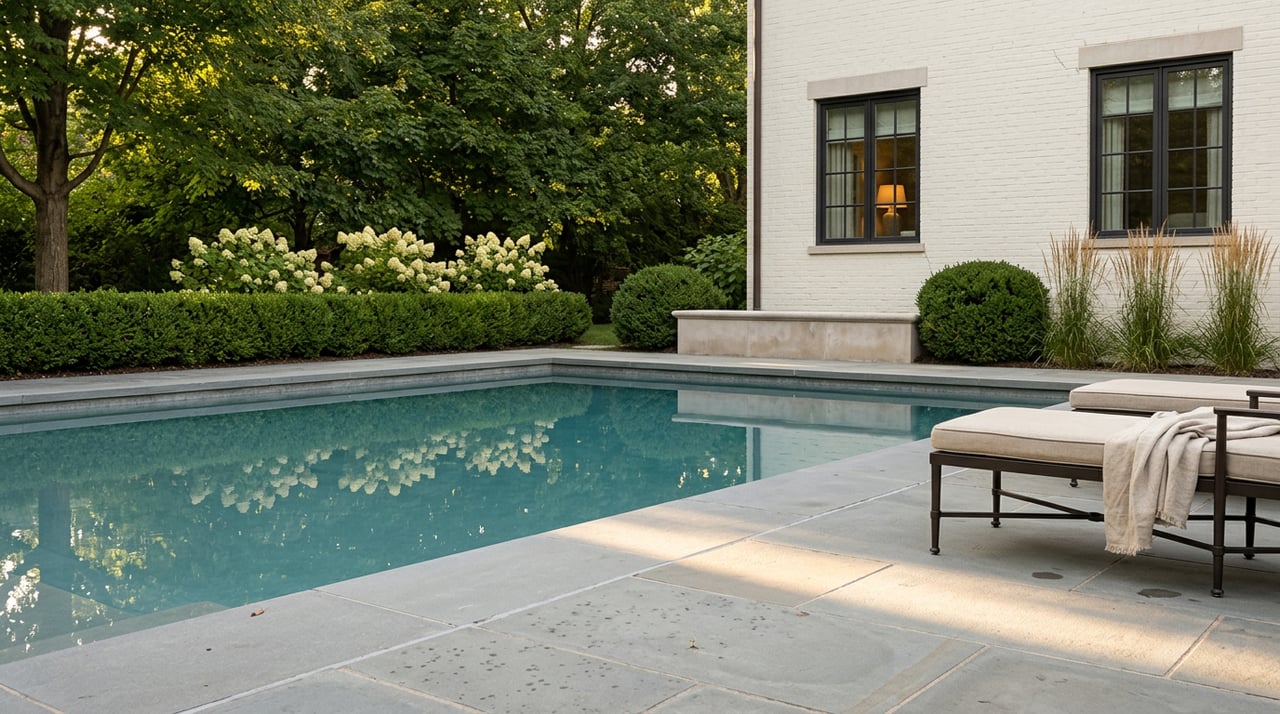
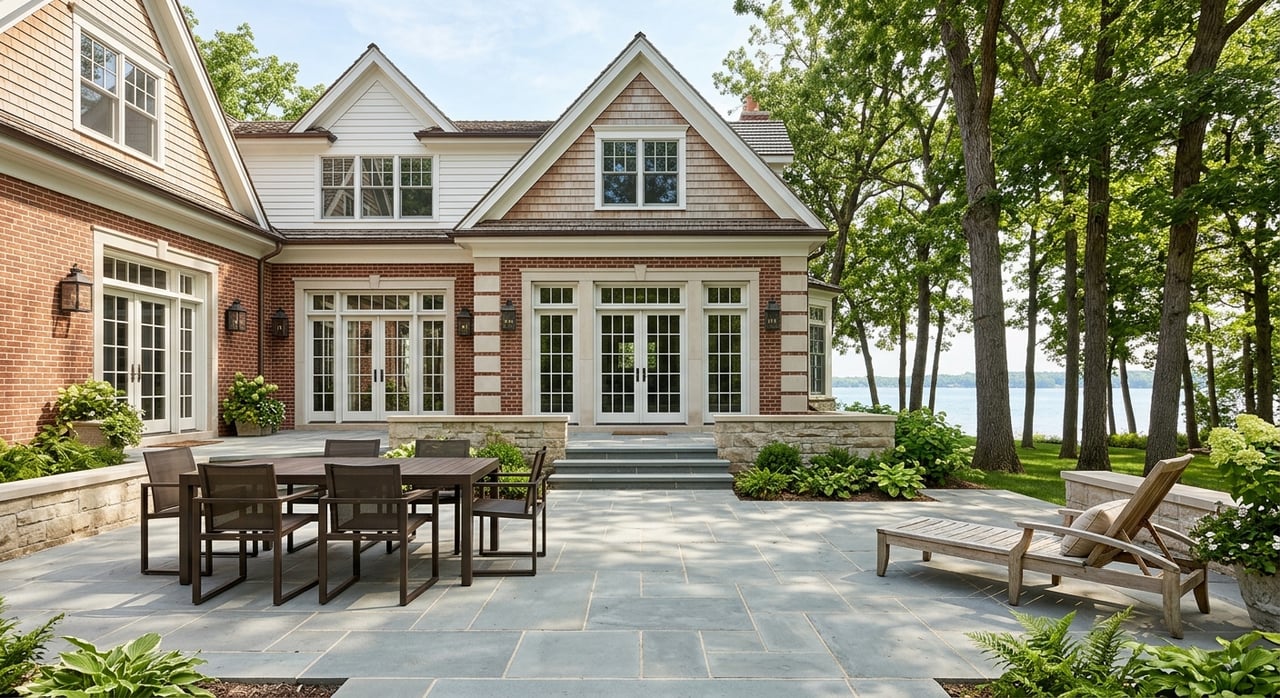
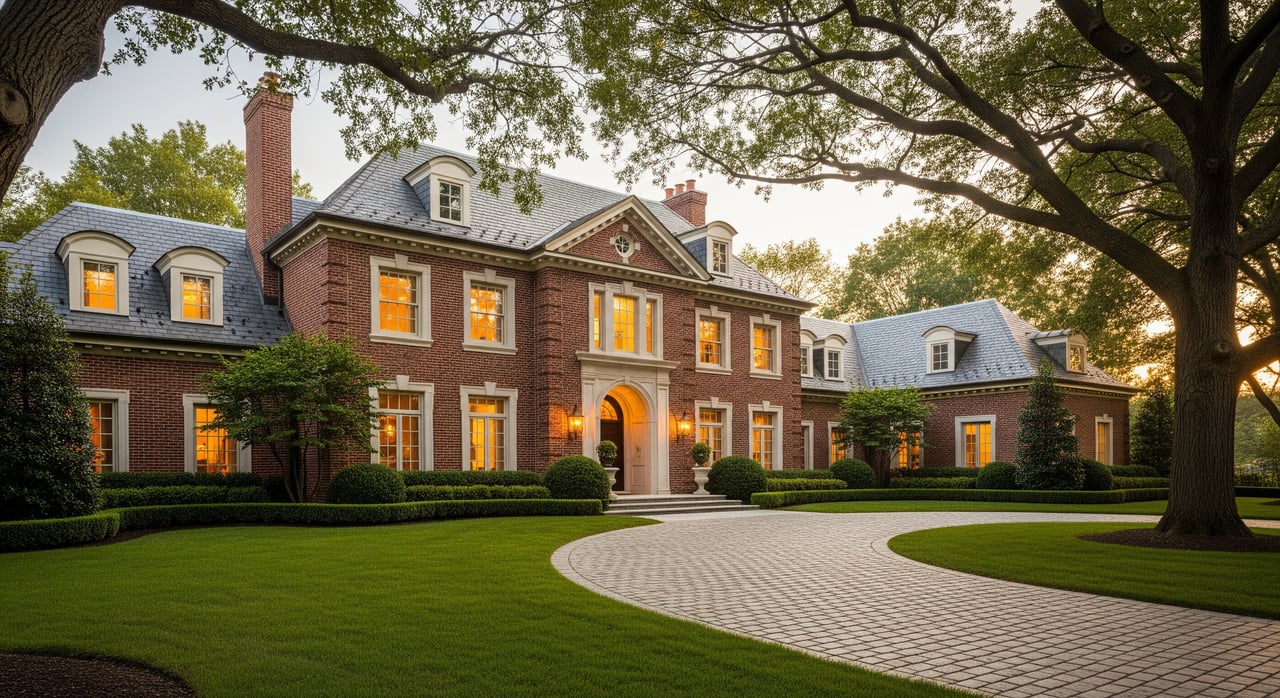
Along Sheridan Road, Winnetka’s estate tradition becomes especially visible. Historic examples show how these homes often prioritize not just the residence itself, but also the full arrival experience, privacy, and landscaped outdoor rooms.
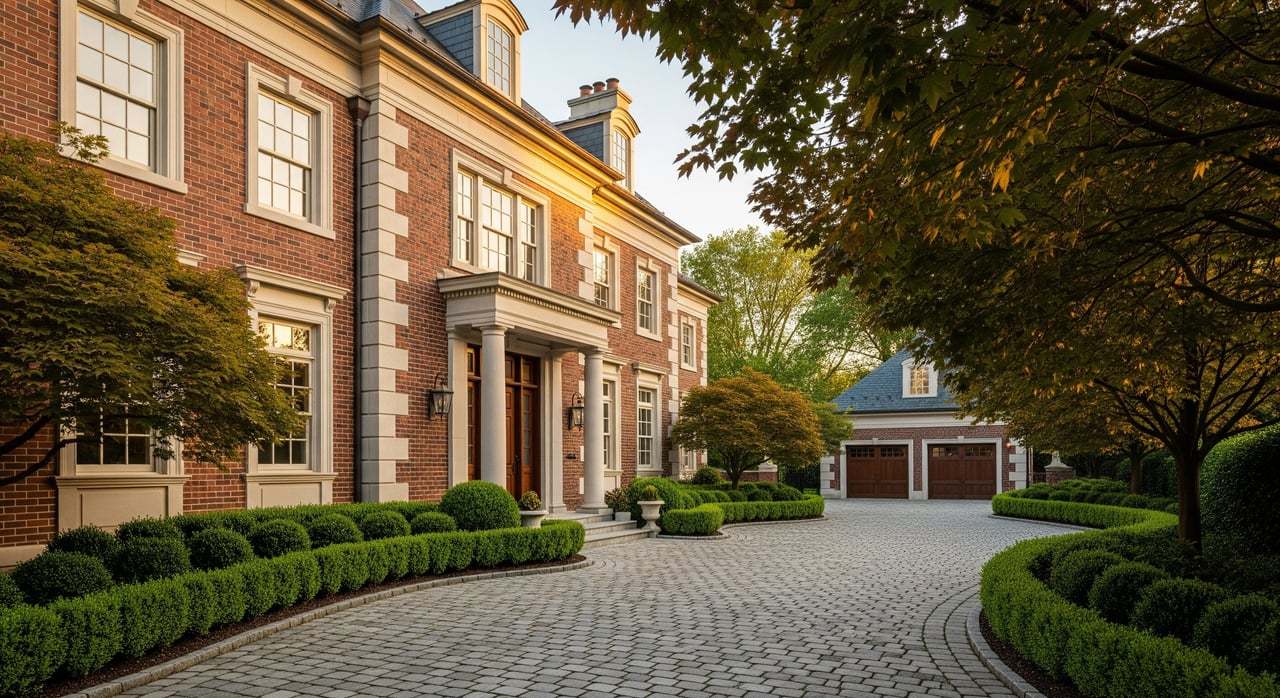
Features in notable properties have included circular drives, coach houses, conservatories, formal gardens, cabanas, and plans organized around long views and carefully sequenced spaces. That estate sensibility still helps define what many buyers expect from premier lakefront homes in Winnetka.
If you are shopping this segment of the market, it helps to think in layers. The house matters, of course, but so do the approach, the setting, the outdoor use, and how the property relates to the shoreline.
A shoreline-specific consideration
The shoreline adds beauty, but it also adds practical questions. The Winnetka Historical Society notes that the village’s beaches face increasing risk from climate change, development, and erosion, with stabilization efforts underway.
That does not mean every lakefront purchase carries the same level of concern. It does mean buyers should evaluate site conditions, water exposure, and long-term exterior resilience with care.
Modern and contemporary homes
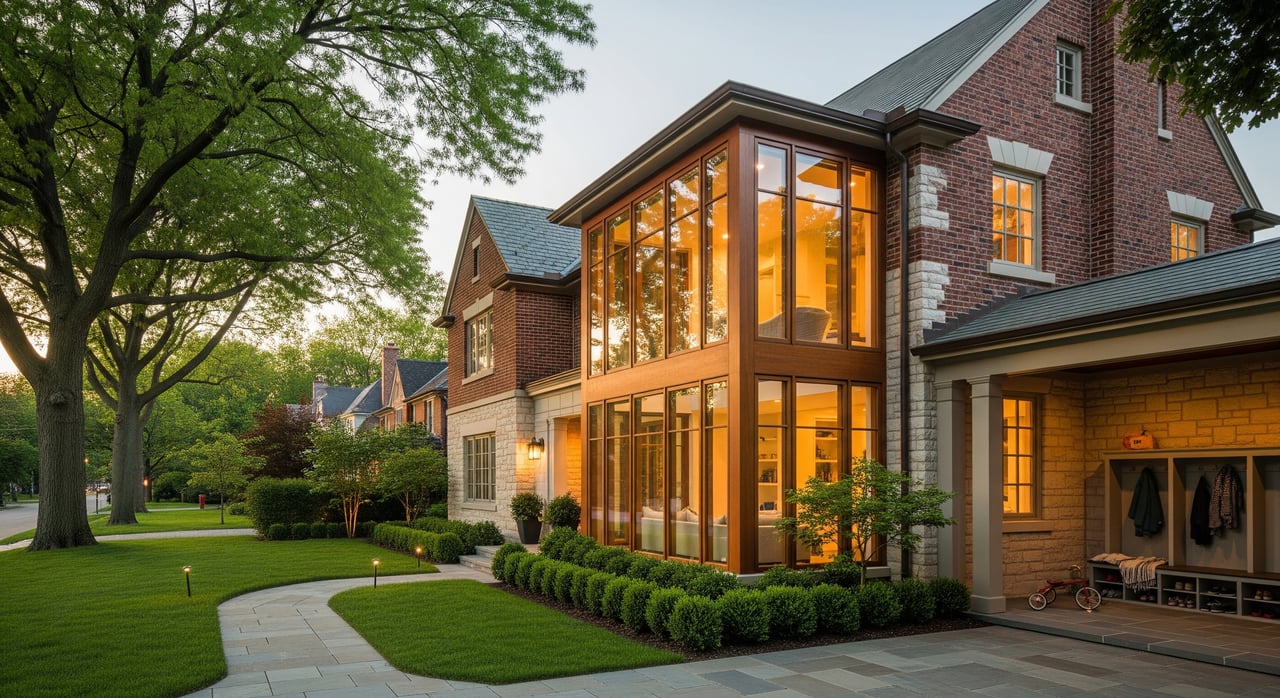
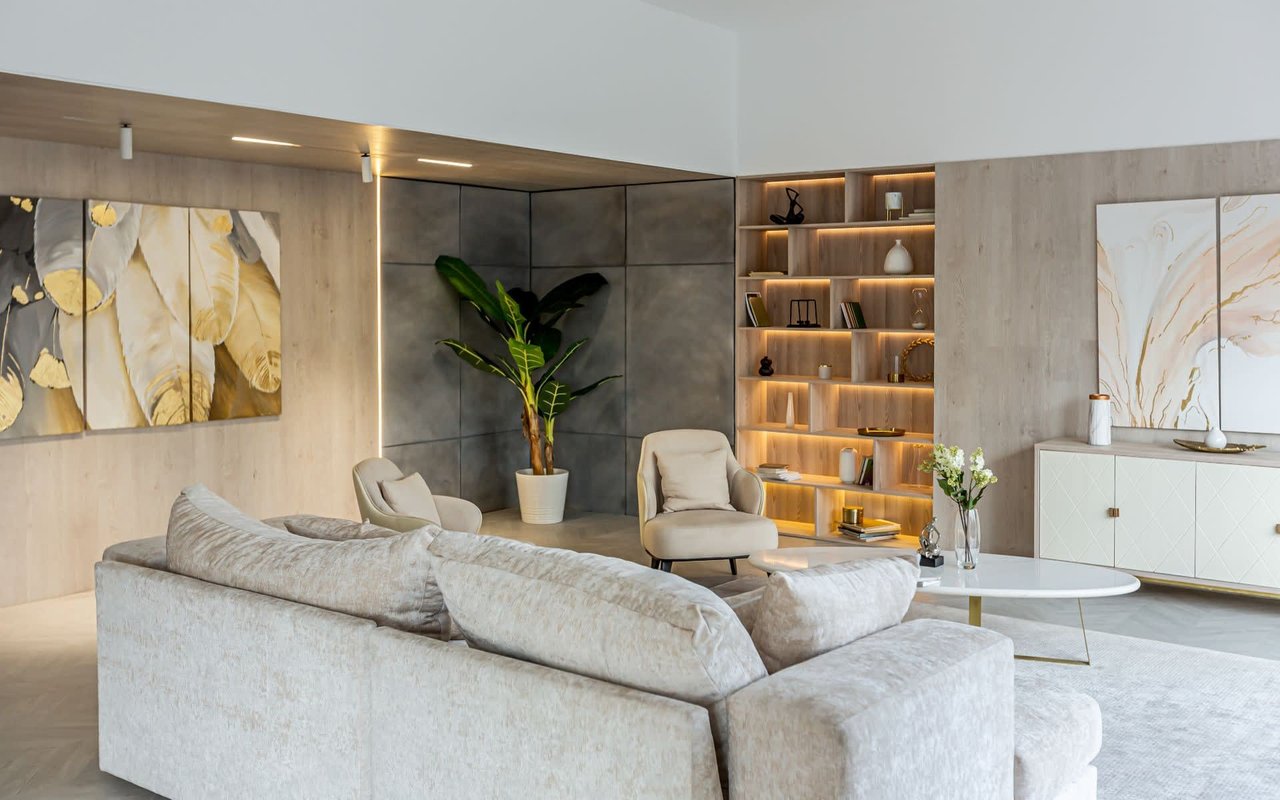
Winnetka is not only about revival architecture. The village also has a meaningful modernist thread, including homes noted for crisp lines, functional planning, casement windows, minimal ornament, and a stronger emphasis on openness.
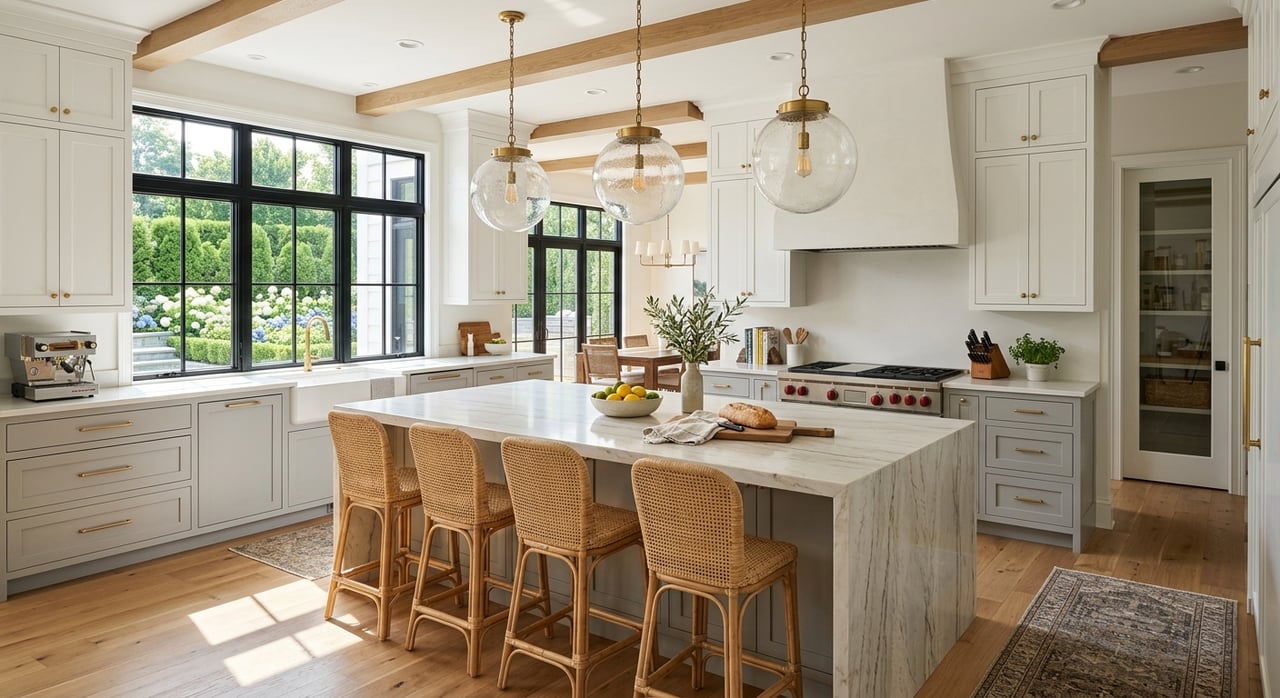
For buyers, modern and contemporary homes can feel quite different from older revival styles. These homes often offer lighter spaces, cleaner sightlines, and a closer connection between indoor and outdoor living.
If your priority is openness and a less formal feel, this category may be worth a serious look. A modern home can offer a striking contrast to the more enclosed character often found in Tudor or Colonial layouts.
The tradeoff with modern design
Modern design can be beautiful, but it asks you to pay attention to performance details. Flat roofs rely more heavily on drainage and waterproofing than pitched roofs do, and preservation guidance consistently emphasizes the importance of keeping roof systems sound and watertight.
Expansive glazing can also be a major asset for light and views, but it increases the importance of maintenance and envelope integrity. In other words, clean lines still need careful stewardship.
Preservation can shape your decision
One of the most important buyer questions in Winnetka has nothing to do with paint color or staging. It is whether the home is designated, potentially significant, or subject to preservation review.
Winnetka has a strong preservation culture. The village is home to more than 30 National Register and local landmark buildings, and the Historic Preservation Commission surveys significant properties, reviews landmark alterations, and can review demolition permits.
The village code also treats windows, doors, exterior materials, and other architectural features as part of the protected exterior record. That means exterior changes may involve more than a design preference or budget decision.
Why this matters before you buy
If you love the original character of a home, preservation oversight may feel like a benefit. It can help protect the architectural qualities that made you interested in the property in the first place.
If you are planning major exterior changes, though, you will want to understand the review process early. A beautiful older home can be a great fit, but only if your expectations line up with the property’s architectural and regulatory context.
A smart buyer checklist
Before you make an offer on a Winnetka home, focus on the features that affect both enjoyment and long-term ownership.
- Identify the architectural style and how it fits your day-to-day living preferences.
- Ask about the roof type and its current condition.
- Look closely at original windows and exterior materials.
- Pay attention to signs of moisture issues, especially with stucco or masonry.
- Confirm whether the property is designated or may be subject to preservation review.
- Consider whether you prefer formal layouts, cozy rooms, or more open modern spaces.
- For lakefront homes, evaluate site conditions and shoreline-related maintenance needs.
Choosing the right style for you
The best Winnetka home style is not the one with the most name recognition. It is the one that matches how you want to live, what level of maintenance you are comfortable with, and how much architectural authenticity matters to you.
A Colonial may offer the clarity and classic symmetry you want. A Tudor may win you over with warmth and craftsmanship. A lakefront estate may be all about setting and privacy, while a modern home may speak to your preference for light, openness, and clean design.
The opportunity in Winnetka is that you do not have to settle for a one-style market. You can compare distinct architectural experiences in a single village, which makes informed guidance especially valuable.
If you are looking for a thoughtful, high-touch approach to buying a distinctive home, Ginny Stewart offers the concierge-level guidance and market perspective that can help you evaluate style, condition, and long-term fit with confidence.
FAQs
What are the most common home styles in Winnetka?
- Colonial Revival and Tudor Revival are two of the most commonly seen styles in Winnetka, alongside a broader mix that includes French, Spanish, Dutch, Classical, Prairie, Victorian, and Mission-influenced homes.
What makes a Colonial Revival home different from a Tudor in Winnetka?
- Colonial Revival homes usually feature symmetry, a centered entry, and a more formal, balanced feel, while Tudor homes often have more irregular layouts, dramatic rooflines, masonry, stucco, and a cozier overall character.
What should buyers inspect closely in older Winnetka homes?
- Buyers should pay close attention to the roof, original windows, exterior woodwork, masonry, stucco, and any signs of moisture intrusion, since these features often affect both maintenance and preservation decisions.
What does historic preservation mean for a Winnetka buyer?
- In Winnetka, preservation can affect exterior changes because the village reviews certain landmark alterations and may review demolition permits, and protected exterior features can include windows, doors, and materials.
Are modern homes common in Winnetka?
- Winnetka is best known for historic revival architecture, but it also includes notable modernist and contemporary homes that emphasize functional plans, clean lines, and more open-feeling spaces.
What is unique about buying a lakefront home in Winnetka?
- Lakefront homes in Winnetka often place strong emphasis on privacy, landscaped outdoor spaces, and the overall arrival experience, and buyers should also consider shoreline conditions and long-term exterior resilience.